
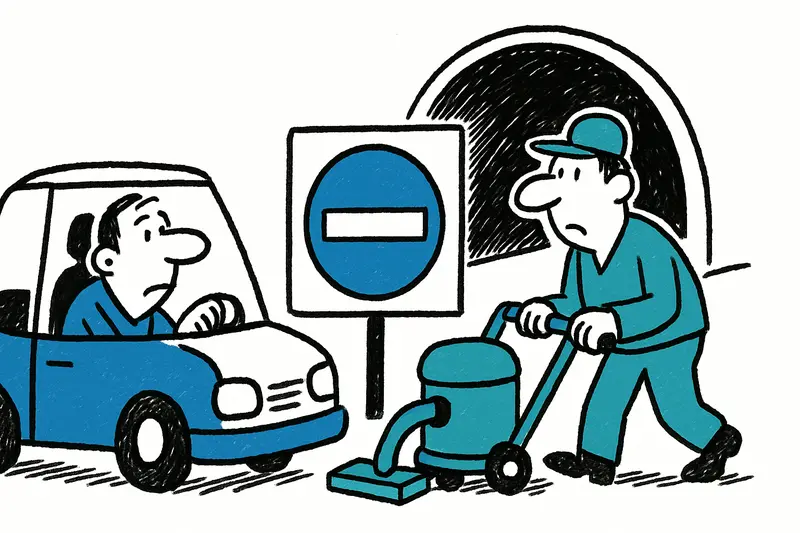
Nightly Total Closures in Génova and Bendinat: Necessary but Poorly Timed?
From tomorrow, Mallorca will once again have nightly closures in the Génova and Bendinat tunnels. Cleanliness and maintenance are important — but the way the closures are handled raises questions: Who bears the social and economic costs, and could responsible parties have planned more intelligently?
Nightly Total Closures in Génova and Bendinat: Necessary but Poorly Timed?
From the coming evening, the tunnels in Génova and Bendinat will again be completely closed at night — Génova in the direction of Palma, Bendinat in both directions, as noted in a report on night closures in Génova and Bendinat. The closure times are not insignificant: from 10:00 PM to 6:00 AM each, presumably until Monday morning, the island administration reports. For cleaning, lighting and drainage this may make sense. But the consequences go deeper than the dirt discreetly swept out of the gutters.
Key question: Does it really have to happen in the middle of the night?
The standard answer is: fewer vehicles are affected at night. That is true, but the core question remains: What temporal, economic and social costs do nightly full closures generate — and are those costs weighed appropriately? If a taxi driver at 11:30 PM can no longer use the side road to Palma, is that just a personal annoyance — or a sign of missing coordination between traffic planning, public transport and service providers, a topic linked to redevelopment plans for the Gènova Tunnel?
What most people only notice quietly
Last night on the Avinguda: orange warning signs, flashing lights and two police cars directing traffic. Further back the quiet hum of street sweepers, occasionally a taxi dropping off its passengers, and in the harbour the distant roar of the waves. For residents this means: close the windows, because the machines are brighter and louder than expected. For commuters it means: detours, longer travel times and, in the worst case, missed connections. These night noises are small in the statistics, large in everyday life.
Who is hit hardest — and why it matters
The affected are not only night owls. On the list are shift workers, late-flight passengers, taxi drivers, bus companies and restaurants expecting evening guests. Bus routes can be diverted, supply chains change their routes, and small restaurants lose spontaneous customers when access becomes more complicated. In the short term, traffic is shifted to alternative roads — and there congestion, noise and additional emissions arise.
Aspects that are hardly discussed
Some consequences receive little public attention: first, the financial losses of small businesses directly near the closures. A closed tunnel may make the city cleaner, but a restaurant counting fewer evening reservations does not appear in any administration ledger. Second, the burden on residents: cones of light, loud engines and the clatter of heavy machinery disturb sleep — with consequences for health and quality of life. Third, the question of coordination: why aren’t such works better aligned with airport terminals, train schedules and freight timetables?
Pragmatic alternatives — what would help now
Criticism is not the same as polemic. There are concrete, feasible measures that would reduce the burden: earlier and more targeted communication via social media, local apps and clearly visible signs in the afternoon; temporary night buses or additional taxis during the affected hours; clear diversion plans already visible in the late afternoon; and, where possible, staggered closures instead of full shutdowns. Quieter machines and noise protection concepts for residential areas are also not rocket science — they cost, but they pay off in acceptance.
Tips for drivers, night owls and residents
If possible, move your trip to daytime. If you must be out in the evening: check navigation in the afternoon — many local services show closures in real time. If picking someone up late, agree on meeting points away from the closures and plan generous time buffers. Residents: close windows, and if the noise crosses the threshold, use the administration hotlines. Complaints and feedback help optimize the operation — provided they are taken seriously.
Remain practical and critical
The administration rightly emphasizes: clean tunnels and functioning drainage prevent more trouble and accidents in the long run. That is hard to dispute. But the balance sheet must not be one-sided. Cleanliness should not automatically mean that residents, commuters and businesses are accepted as collateral damage. A little more lead time, better coordination with transport hubs and some pragmatic adjustments would increase acceptance — and make the nightly cleanup more tolerable for everyone.
Frequently asked questions
Why are the Génova and Bendinat tunnels closed at night in Mallorca?
What time are the tunnel closures in Génova and Bendinat in Mallorca?
How do night tunnel closures in Mallorca affect taxi drivers and late arrivals?
Do tunnel closures in Mallorca cause noise for nearby residents at night?
Is it better to avoid driving through Palma at night during tunnel works?
How can restaurants and small businesses near the Génova tunnel be affected?
What should residents in Bendinat do when the tunnel is closed overnight?
Are there alternatives to full overnight tunnel closures in Mallorca?
Similar News
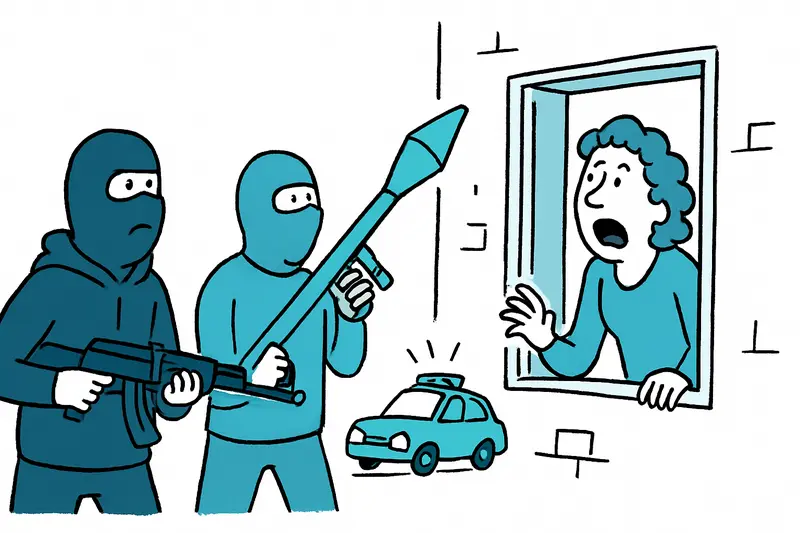
Masked Images, Real Panic: When Social Media Aesthetics Alarm Neighbors
Five German content creators filmed on a recently vacated detention site using deceptively realistic props. The result: ...
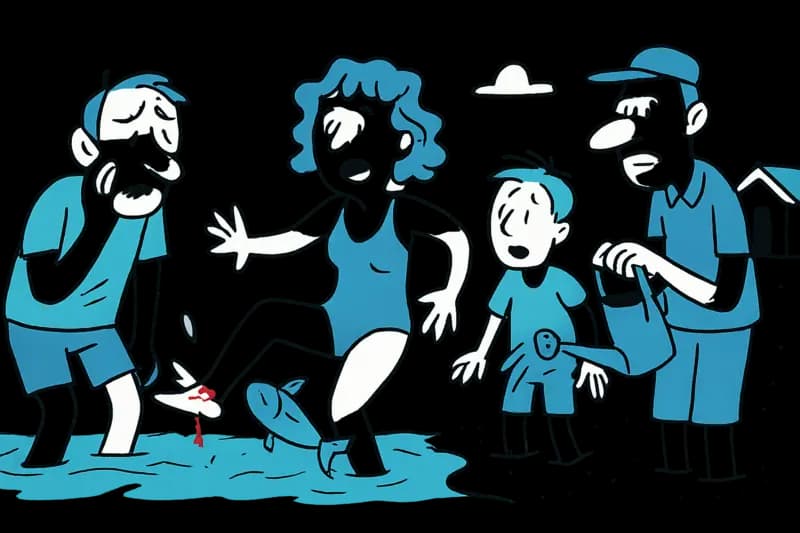
Why the Striped Breams in Cala Pí Should Be a Wake-up Call
Once again bathers in Cala Pí were surrounded while swimming by small, nippy fish — some wounds bled. Time for clear rul...
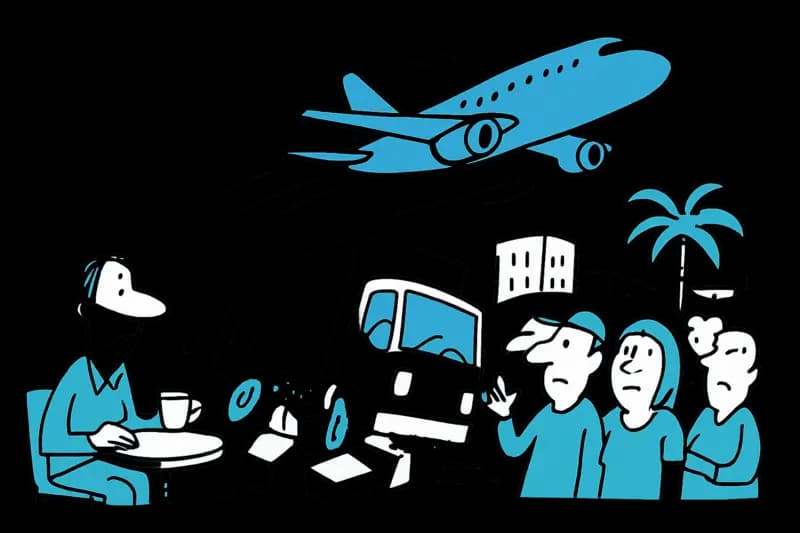
Daily from New York: How Palma's Air Traffic Is Growing — and What Must Change
United will increase the Newark–Palma service to daily flights in 2027 (Boeing, 231 seats). Strong tourist numbers clash...

When Love Ends in Shards: Destruction in Son Vida and the Questions That Remain
In Son Vida a relationship dispute escalated: a woman destroyed furniture in a luxury villa, later pressed a panic butto...
Who Bears the Burden? Mallorca Between Tenant Protection and Landlord Fears
Madrid's new housing decrees strengthen tenant rights — but on Mallorca concern is growing: will the law drive small lan...
More to explore
Discover more interesting content

Can Cap de Bou

Townhouse Lleo 72
