
When the Queen Falls: Eight-Year-Old Surprises Veteran in Palmanova
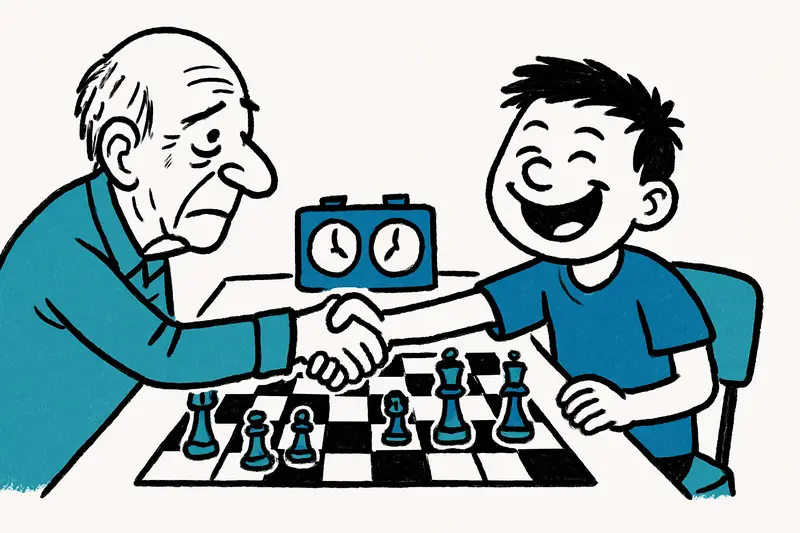
At the Palmanova cultural center an eight-year-old German surprised an 85-year-old chess veteran with a calculated queen sacrifice. A small scene with big impact for the island.
A window seat, a brave move and an honest round of applause
The sea wind rattled the Palmanova cultural center, chairs clattered on the plaza outside, and a street café let in the smell of strong coffee. Inside there was a distinct, concentrated soundscape: the soft ticking of chess clocks, the rustle of score sheets, and now and then a muffled “yes” or “no”. That afternoon at the International Chess Festival of Calvià, children in colorful caps sat beside seniors with carefully filled scorebooks — and at one table something happened that you don’t forget quickly, as reported in Cuando cae la dama: un niño de ocho años sorprende a un veterano en el festival de ajedrez de Calvià.
The move everyone is still talking about
Around 4:30 p.m. two worlds met: an eight-year-old boy from Germany and an 85-year-old player from the Palma area. No flashbulbs, hardly any smartphones, just boards, pieces and heads bent deeply over the squares. Then the moment came: the calculated queen sacrifice. Some in the audience audibly gasped — surprise and admiration at once. The boy placed his hand calmly, almost matter-of-factly, on his queen and let it go. The game grew complicated; the old gentleman calculated for a long time, mentally leafing through decades-old opening libraries in search of the best defense.
When he finally waved the white flag, everything paused for a moment. Then warm applause broke out, as genuine as the taste of espresso on the tongue. The boy straightened his cap, smiled a little embarrassedly, and explained to a younger spectator why the queen had to fall: “So the pieces can get out.” The loser laughed, shook his hand and said with a wink: “That’s how the game goes.”
The festival: colorful, focused, connecting
The festival is a cheerful jumble of roughly 150 participants from about 20 countries. Between program leaflets, the clink of cups and occasional coughs, different rhythms of life mixed: older players marking moves in scorebooks, children running to the plaza after their games, parents discussing on benches. In moments like this you don’t see Mallorca as a postcard motif but as a living community with a feel for subtle tones and small dramas at the chessboard.
What touched people was the composure: the boy didn’t seem cocky, rather surprised by his own daring. The 85-year-old accepted the defeat with dignity. Later they sat together, discussed variations, laughed and watched other games — as if the chessboard had built a small bridge between generations.
Why a moment like this matters for Mallorca
Encounters like these show a side of the island that often gets overlooked: Mallorca as a place for culture, meetings and cross-generational exchange. When children meet old hands here in autumn or early spring and both take something away, it strengthens community. It promotes mental activity and makes the island attractive to locals and visitors who are less interested in beaches and parties and more in exchange and culture.
A few simple ideas could make these small wonders more frequent: regular club evenings in community centers, school programs that use chess as a thinking tool, or exchange sessions between clubs and schools. The island has the spaces, the curiosity and the audience that listens, applauds and is delighted when a child sacrifices the queen.
Whether the boy continues to practice on German balconies or the older player starts a new scorebook at home: the afternoon in Palmanova remains. A brave move, an honest round of applause and the reassuring ticking of a chess clock — small things that connect.
Frequently asked questions
What is the International Chess Festival of Calvià in Mallorca like?
Can children take part in chess events in Mallorca?
Why do chess festivals in Mallorca attract both locals and visitors?
Is Palmanova in Mallorca a good place for cultural events?
What does a chess tournament in Mallorca feel like on the ground?
What should you wear or bring to a chess event in Mallorca?
Why do older and younger players enjoy the same chess tournament in Mallorca?
What makes Palmanova different from other places in Mallorca for a chess festival?
Similar News
Released with Conditions: The Plus Ultra Suspicion and a Mallorcan Finca as Residence
A Dutch entrepreneur, sought in connection with the Plus Ultra case, was extradited to Spain after his arrest in Germany...
Haute Nuit in Puerto Portals: Fashion, Art and Indulgence by the Water
On October 2 the Lobster Club in Puerto Portals will be transformed into a stage for curated fashion, art and culinary e...
Magaluf: Watchtower Alarm – Lifeguards Pull Unconscious Beachgoer from the Water
After a drama in the late afternoon, two lifeguards at Magaluf beach rescued an unconscious 44-year-old man. He was stab...
Turquoise in the City: How dangerous is the color play of the Sa Riera?
The Sa Riera in Palma suddenly turned turquoise — a pretty motif, but behind the effect lies a discharge of saline waste...

Jeckliner at Sunnesching: Cologne spirit sets sail from Palma
In September 2027 the Mein Schiff 2 briefly becomes a floating carnival stage: four days with Cologne bands, comedy and ...
More to explore
Discover more interesting content

Can Cap de Bou

Townhouse Lleo 72
