
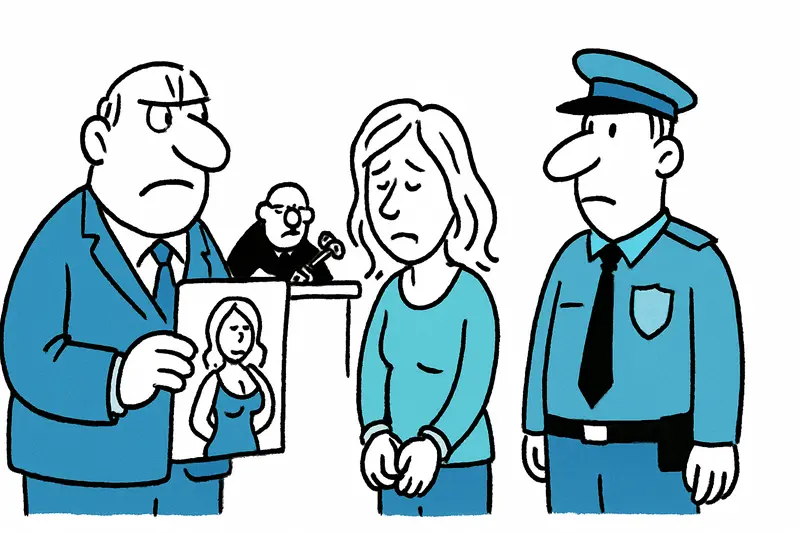
OnlyFans Leak in Palma: When Private Images Become a Public Weapon
A court convicts two people in Palma for sharing intimate OnlyFans photos. A reality check: Who protects those affected, and what is missing from the debate?
OnlyFans Leak in Palma: When Private Images Become a Public Weapon
At the courthouse near Vía Alemania last week a case concluded that should wake many on the island: a man and a woman were convicted for distributing intimate recordings from a paid OnlyFans profile of an acquaintance. The court fined him €1,260 and her €1,530; in addition, both must pay the victim €3,000 in damages for pain and suffering. The incidents date from May to September 2022.
Key question
How far does EU data protection rules extend today when digital content circulates beyond its original context — and who bears responsibility when that content is misused?
Critical analysis
The facts are clear: the woman granted the man one month of free access to her profile; the permission was explicitly limited to viewing. Despite this, recordings showing sexual acts with a third person appeared in private chats. The man forwarded the files, the woman distributed them via WhatsApp and used voice messages to pressure the victim and hint at possible professional consequences. The court assessed this behavior as an intrusion into privacy and saw coercion as an additional dimension.
The ruling punishes the perpetrators — but it does not answer the deeper questions: How easily can protected content be technically secured? What role do platforms that offer paid content play, and how do such developments intersect with local phenomena like OnlyFans shared house in Santa Ponsa: luxury villa, €300,000 — and many unanswered questions? What information and power asymmetries exist between content creators and those who are granted access?
What is missing in the public discourse
Public reporting often focuses on individual cases such as Secret Recordings in Palma: Verdict, Questions and What Matters Now for Those Affected rather than structural problems: financial incentives that drive people to produce intimate content; a lack of digital literacy in securing accounts; and the responsibility of platforms to improve protection for their creators. The issue of employment protection for victims is also missing: many fear losing their jobs and therefore remain silent.
Everyday scene from the island
If you stroll through Palma's old town one morning, you hear conversations in the café on Carrer de Sant Miquel about data protection just as much as about the prices of small flats. A barista casually points to her phone and says, "If something is online, it stays there for a long time." This mixture of indifference and concern reflects what many here think: private matters can quickly become public — a concern echoed in reporting on Hidden Cameras North of Palma: Trial, Distrust and the Question of Our Protection. The consequences are real.
Concrete solutions
General platitudes do not help in such cases. Concretely, I recommend:
For victims: Immediately secure screenshots, file a report with the police (Policía Nacional/Guardia Civil), gather evidence (WhatsApp chats, voice messages) and consider civil legal action. Seek contact with specialized lawyers; in Palma there are legal advisory services that deal with cybercrime.
For platforms: Better technical protective measures: mandatory watermarks, simpler reporting channels and faster deletion processes upon request by the original creators.
For politicians and authorities: Awareness campaigns on digital self-defence, training for staff councils and employers, as well as specialised local support centres that help victims avoid professional fallout.
For society: More conversations about shame and blame — move away from victim-blaming; employers should have clear guidelines on how to handle the disclosure of intimate content and how employees can be protected.
Conclusion
The ruling in Palma is important — but it is only a beginning. Those who share private images without consent must be punished. At the same time, we need preventive measures: better technical standards, clearer workplace rules and more digital education. Otherwise, after a court case often only the realization remains: what happened has happened, the images are no longer truly private.
Frequently asked questions
What should I do if private photos or videos from OnlyFans are shared in Mallorca without my permission?
Is sharing intimate images in Mallorca a criminal offence?
How can creators protect paid content from being leaked in Mallorca?
What evidence should I keep after an OnlyFans leak in Mallorca?
Where can victims of digital privacy abuse get help in Palma?
Can leaked intimate content affect someone’s job in Mallorca?
What role do platforms like OnlyFans have in preventing leaks in Mallorca?
Why is consent so important when private content is shared in Mallorca?
Similar News
Fewer Airlines, Fewer Destinations: What Palma's Winter Flight Schedule Means for Mallorca
Analysis shows: Winter at Son Sant Joan Airport will be quieter, with significantly fewer airlines and destinations. Who...
German tourist dies in Sa Calobra – a reality check for emergencies on Mallorca's beaches
A 40-year-old tourist died at the Torrent de Pareis. The emergency call, a doctor who happened to be present, a defibril...
Deadly Tractor Accident in Bunyola: What Needs to Be Done Now
In a work accident on an estate near Bunyola, a roughly 40-year-old man lost his life. His wife and a small child were o...
Head-first dive into the shallow part of Cala Fonoll: An accident and the unresolved question of responsibility
A young tourist dove into Cala Fonoll and was seriously injured. Key question: Why are clear warning signs missing at da...
Mistaken identity with fatal consequences: Brutal assault in S'Aranjassa — what's missing in the follow-up?
At S'Aranjassa a visitor to a finca was tied up, beaten and thrown out of a van. Three men have been arrested, including...
More to explore
Discover more interesting content

Can Cap de Bou

Townhouse Lleo 72
