
Orange Alert for All of Mallorca: How Prepared Are We Really?
Orange Alert for All of Mallorca: How Prepared Are We Really?
Aemet has raised the warning to orange: thunderstorms and heavy rain may hit the island. A critical appraisal — what's missing in preparedness, and what can residents and visitors do now?
Orange Alert for All of Mallorca: How Prepared Are We Really?
Key question: Are Mallorca's towns, beaches and tourism businesses properly prepared for suddenly occurring thunderstorms with heavy rain and lightning, or do people still rely on luck and improvised measures?
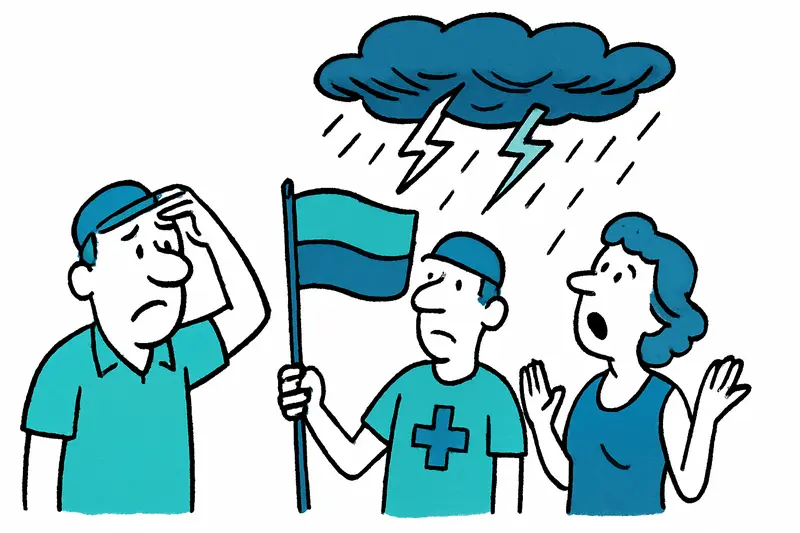
On Thursday midday a bank of dark clouds passed over Palma, the wind changed direction and the air smelled of ozone. On Passeig Mallorca a few folded beach umbrellas were blown around, and on Playa de Palma the seaside chatter suddenly turned serious: "When there is lightning, people leave immediately," said a beach vendor as a lifeguard checked his flag. These are not alarm scenes from a disaster movie; this is a real walk through an island that is losing its summer-weather rhythm.
Aemet has declared an orange alert for the entire island: severe thunderstorms and gusts are expected for Thursday and also for Friday. Local downpours, lightning activity and strong winds are likely. The forecast expects maximum temperatures to fall to around 31°C by the start of next week. Earlier extreme values were recorded: 39.3°C in Artà and Pollença, 38.4°C in Colònia de Sant Pere; during the previous night readings were 33°C in Banyalbufar, 32°C in Port de Sóller and 30°C at the Lluc monastery.
This is not just weather; it's a test for procedures, personnel and infrastructure. On Mallorca thunderstorms mean more than wet streets. It's about bathers in open coves, trees along narrow country roads, tents at weekly markets and power supply in remote fincas.
Critical analysis
The alert alone is not enough. Three areas appear particularly vulnerable: first, communication on the beaches. Flags are useful, but many tourists do not understand the colors or ignore them when the sun briefly returns. Second, infrastructure: sewers and storm drainage have long been neglected in many municipalities; heavy rain quickly causes flooded underpasses and closed roads. Third, staffing resources: rescue services and municipal response teams work closely, but during widespread events bottlenecks can occur.
Another problem is seasonality: many businesses and market stalls employ temporary staff who may not be trained in emergency protocols. Also, not all warnings are issued in enough languages; on a tourist island this is a real safety deficit.
What is missing from the public debate
People talk about temperatures and measurements, less about everyday safety. Concrete points are often missing: How is the decision made on beaches to close them completely? Who coordinates evacuations of campsites? Are there backup power solutions for hospitals and care homes in remote valleys? The question of whether warnings are sent in real time to beach bars, landlords and hotels is also hardly discussed.
And finally: prevention. Better sun protection combined with improved water management strategies, such as regular cleaning of gutters and controlled trimming of roadside trees, are rarely debated in the media.
Everyday scene from Mallorca
An image that sticks: vendors in the Olivar market hastily packing oranges into crates while thick drops rattle on the cobblestones outside. In Cala Mayor a delivery van is being pushed through a suddenly formed puddle; children stare curiously at the churning sea. Such moments show how quickly routine is interrupted and how important simple, quick actions are.
Concrete solutions
The island does not need phrases but tangible measures. Some proposals, realistic and locally feasible:
- Multilingual digital warning chains: municipalities should automatically forward Aemet information to hotels, beach stations and car rental companies.
- Standardized beach signal lights and loud public announcements: flags plus short messages in Spanish, English and German when lightning is approaching.
- Checklists for weekly markets and small event organizers: storm-secure anchoring of tents, evacuation routes, designated contact person.
- Prioritized cleaning of gutters before the thunderstorm season and short-term emergency pumps for known problem spots.
- Training for seasonal workers: short emergency workshops at the start of the season, also for holiday-rental hosts.
- Transparent decision-making paths: who closes a coastal cove? Who blocks a car park? Clear responsibilities avoid delays.
Conclusion
Orange alert is a clear signal, not a harbinger of doom. On Mallorca we have experience with sun and heavy rain, but experience alone is not enough. Better communication, a few pragmatic rules and more routine drills for weather-related emergencies are needed. Anyone who now checks weather apps, reads Aemet notices and follows instructions on the beach helps keep everyday life safer. And if you work at a market stall or rent out a holiday home: put up a simple checklist. Small things — done in time — often prevent big problems.
Frequently asked questions
What is the best time to visit Mallorca for sunny weather and outdoor activities?
Can you swim in Mallorca year-round, or are beaches only for summer?
What should I pack for a Mallorca trip in spring?
Is it easy to get around Mallorca without a car?
What local foods should I try in Mallorca?
What outdoor activities are popular in Mallorca?
Is Mallorca a safe destination for solo travelers?
What are the best family-friendly beaches in Mallorca?
Similar News
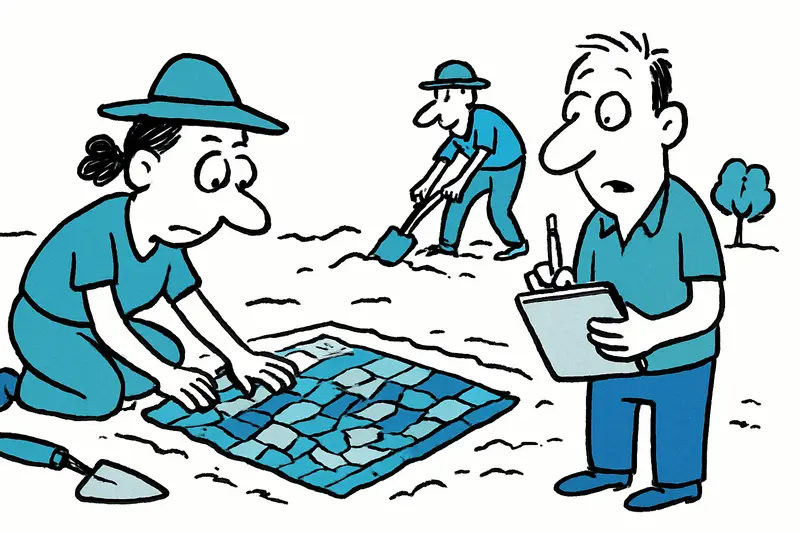
New Roman Floor in Son Sard: A Piece of Mallorca Revealed
During this year's excavations in Son Sard (Son Servera), archaeologists uncovered an opus signinum floor — the first ev...
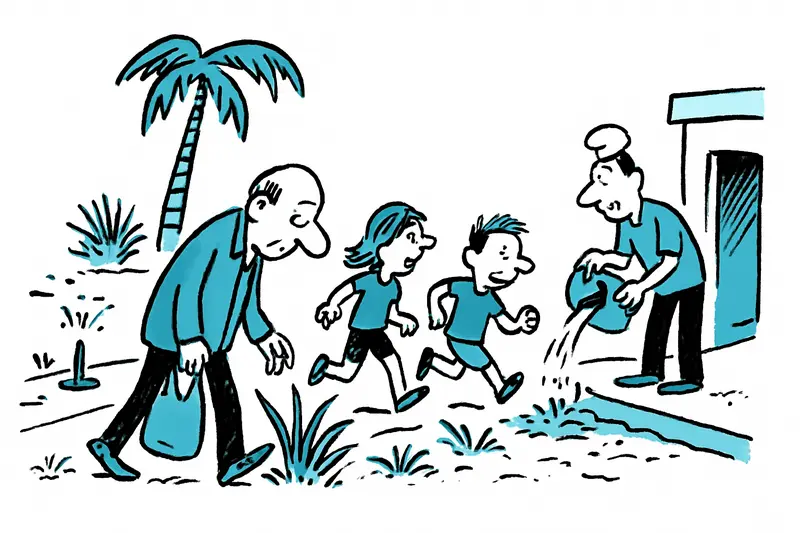
Alarm at Ballermann: Why the Promenade is Becoming Overgrown
Residents at Playa de Palma see decayed green strips, dried Washingtonia palms and waist-high weeds. The announced milli...

Early autumn flirt in Mallorca: Iris Katzenberger begins a quiet love chapter with a partner 22 years younger
Iris Katzenberger (59) has a new man by her side after several relationships: 37 years old, private, they met at a priva...
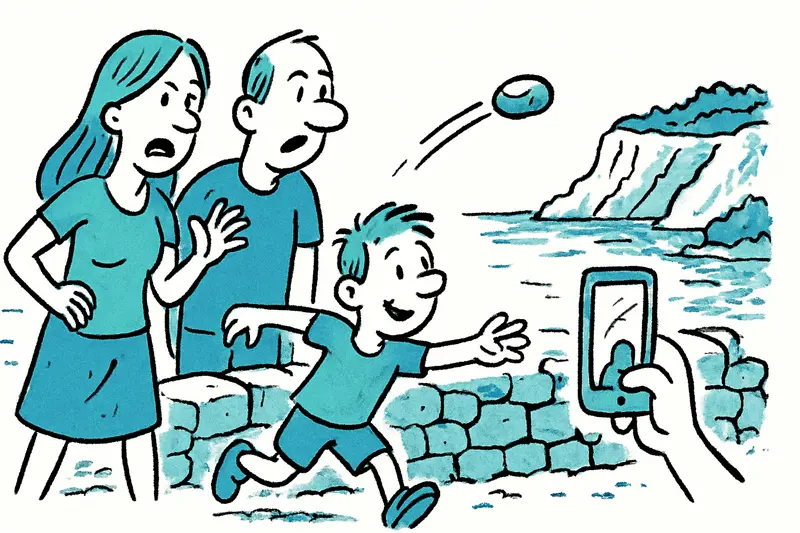
"We do what we like" — Stones, social media and the disappearance of respect at Es Colomer
At the Es Colomer viewpoint, tourists tore stones from a dry-stone wall, filmed it and spread the footage on social medi...
When Rescuers Stand Down: Why the Lifeguards' Strike in Calvià Is More Than Just a Loud Bang
Lifeguards in Calvià have called a strike for August 23. What's behind the conflict, what risks are looming — and what i...
More to explore
Discover more interesting content

Boat Tour with BBQ along Es Trenc Beach

Private transfer from Mallorca Airport (PMI) to Pollensa
