
Out of Fear of His Homeland: A US Citizen Applies for Political Asylum in Felanitx
Out of Fear of His Homeland: A US Citizen Applies for Political Asylum in Felanitx
A 34-year-old US citizen has applied for political asylum in Felanitx, Spain, saying he fears political persecution and actions by the US immigration authority. What does this mean legally — and how is Mallorca preparing for unusual asylum cases?
Out of Fear of His Homeland: A US Citizen Applies for Political Asylum in Felanitx
An unusual application, many open questions for authorities and society
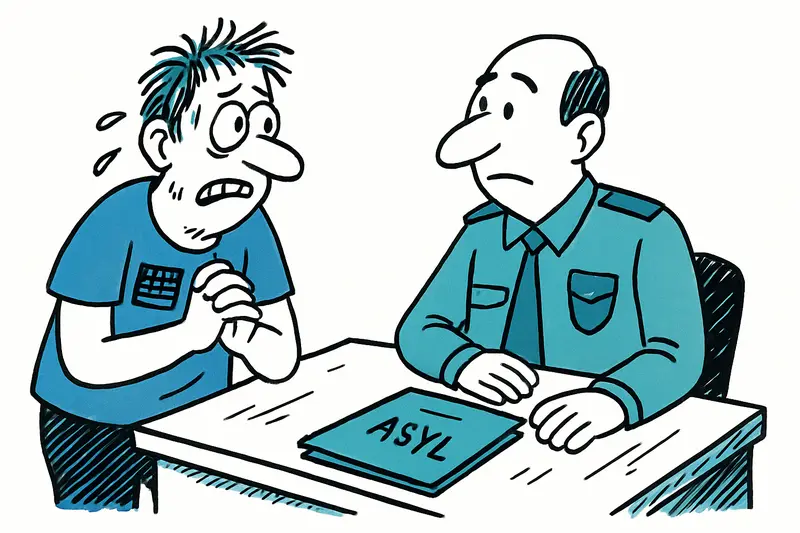
A 34-year-old man from the United States applied for political asylum in Mallorca this week. He appeared at the Guardia Civil station in Felanitx, was accompanied by a local lawyer and justified his request with fear of measures by the US government and the country's immigration authority. The application was forwarded to the competent national bodies (Madrid Declares Migration Emergency in the Balearic Islands — A Temporary Measure with Open Questions).
Key question: Is political fear in a democratic country a sufficient ground for asylum — and how do Spanish authorities handle such an unusual case for Mallorca?
From a legal perspective, asylum protection in Spain is based on international conventions against persecution for political beliefs. In practice, applications from countries with repressive regimes are assessed differently than those from states that consider themselves constitutional democracies. That a US citizen has now filed such an application is extraordinary. No comparable case has been recorded on Mallorca to date.
This raises several practical problems. Formally, an asylum procedure in Spain begins with registration at the police and referral to the Oficina de Asilo y Refugio or the Interior Ministry. This is followed by an examination of the grounds. Authorities must weigh whether the circumstances presented constitute a concrete and verifiable risk of persecution — not merely a general political dislike or social tensions.
Public discourse currently lacks two levels: first, transparency about the criteria by which very unusual cases are evaluated; second, a debate about the psychosocial needs of applicants who come from wealthier democracies yet still experience genuine panic or trauma. Both aspects are often insufficiently addressed in reports and headlines.
On the street in Felanitx the scene looked calmer than the words on an asylum form might suggest. The edge of Plaça de la Constitució, the clatter of chairs in a café opposite, orange groves at the edge of the village — all convey continuity. Still, that day two uniformed officers stood at reception, a visitor's headphone played music, and a lawyer spoke quietly with her client. Such everyday scenes suggest: the island has routine for classic asylum cases, but not for cases that challenge the common notion of "refugee."
Concrete solutions for authorities and civil society:
- Guidelines for authorities: Regional police stations should receive guidance on how to handle asylum applications from "Western" countries, including verification steps and communication patterns.
- Psychosocial first aid: Accessible points of contact in the Balearic Islands: Emergency in the Balearic Islands — Between Rapid Aid and Open Questions for initial psychological care, including for foreigners seeking short-term protection.
- Consular cooperation: In cases where an applicant is a national of a wealthy country, the Spanish procedure should consider coordinated consular contacts without compromising the independence of the asylum process.
- Transparency statistics: Anonymous publications about countries of origin and reasons for decisions would make public debate more fact-based and prevent misinterpretations (for context see When Beaches Become Emergency Wards: Balearic Islands Call on the EU for Help in the Migration Crisis).
- Local integration pathways: If protection status is granted, municipalities like Felanitx need concrete offers for job search and housing support so that the decision does not lead to social isolation.
What is often missing from the discussion is the distinction between political rejection and understandable fear. Fear is real and can be life-changing, but the legal concept of asylum is narrowly defined. It is up to the authorities, observing human dignity and the law, to determine whether the reasons presented establish a claim to protection.
For Mallorca this case is a wake-up call: the island is a holiday destination, a place to live and a home at once. We must be prepared for political upheavals elsewhere — even in democracies once seen as stable — to suddenly bring personal fates to our streets. A pragmatic, legally sound approach protects both sides: those seeking protection and the institutions that uphold the rules.
Conclusion: The asylum application from Felanitx is unusual, but not a cause for alarm. It does, however, demand clear procedures, greater transparency and offers of psychological support. That way Mallorca can be more than a backdrop and become a reliable place where difficult issues are addressed both legally and humanely.
Frequently asked questions
What is the weather like in Mallorca in spring?
Can you swim in Mallorca outside the summer months?
What should I pack for Mallorca in spring or autumn?
Is Mallorca a good destination before the summer holidays?
What is Palma de Mallorca like in spring?
Is Sóller worth visiting in spring?
What is Port de Pollença like outside the main tourist season?
When is the best time to visit Mallorca if you want mild weather?
Similar News

Mueller continues expanding in Mallorca: Artà in 2026, Can Picafort in early summer 2027
The drugstore chain Mueller is opening two new stores in Mallorca: a 1,400 m² shop in Artà on 5 November 2026 and a bran...
The Painter Who Lived Mallorca: Franz Taussig and His Century-Old Secret
A hundred years ago a young Viennese arrived in El Terreno, sketched the island and called himself Francis Caron. Today ...

Airport dispute: Bridge, forecasts and the question of responsibility
A video by the Spanish transport minister has ignited the dispute over DORA figures, capacities and local governance pow...

The Painter Who Invented Himself: How a Young Viennese Drew Mallorca
A hundred years ago a 19-year-old draftsman arrived in El Terreno. His diary and sheets, long known under the pseudonym ...
Released with Conditions: The Plus Ultra Suspicion and a Mallorcan Finca as Residence
A Dutch entrepreneur, sought in connection with the Plus Ultra case, was extradited to Spain after his arrest in Germany...
More to explore
Discover more interesting content

Can Cap de Bou

Townhouse Lleo 72
