
Paella with Harbor View Remains – but El Pesquero Gets a New Look
Paella with Harbor View Remains – but El Pesquero Gets a New Look
After almost 30 years, El Pesquero on the quay in front of the Lonja is getting a new operator. €2.9 million, photovoltaics and a 16-year concession aim to combine tradition and sustainability.
Paella with Harbor View Remains – but El Pesquero Gets a New Look
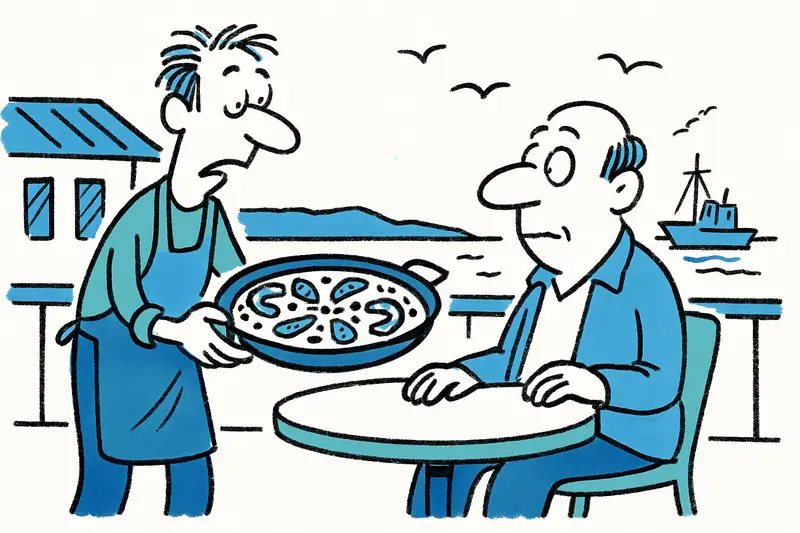
If light rain patters against the awning on a grey December afternoon and seagulls cry over the quay, you can smell it in Palma immediately: paella will be sizzling here again. The corner venue directly in front of the Lonja, overlooking the fishing harbor, is preparing for a new phase, as described in New Dining Spaces on the Quay: Between Postcard Scenery and Real Neighborhood Life.
The facts are clear: the new concession was awarded as part of public procurement rules. The future operator, operating under the name Coliving Puig de Alaró, has a term of 16 years and plans investments of €2.9 million. The project includes rebuilding large parts of the existing structure, adding a basement level and using sustainable, preferably locally sourced materials. A photovoltaic system is also planned to cover part of the electricity demand with solar power in the EU.
In numbers: the concession covers almost 733 square meters of harbor area, of which about 268 square meters are for the building and approximately 465 square meters for the terrace. A bar, café and restaurant are still planned; additional gastronomic offerings should also remain possible. Once the remaining administrative formalities have been completed and the contract signed, the handover can take place and planning can move into practical implementation.
What this will mean for daily life at the harbor can already be imagined: fishermen will still come ashore with their nets in the morning, loaves of bread for work breaks will be sold on the quay opposite, and in the evening tables will remain reserved for those who want to watch the lights of the boats. The terrace is a social place — it brings together those who love Palma: pensioners with a newspaper, waiters calling orders, tourists trying to take a photo without other people's hands.
The planned measures are not merely cosmetic. Photovoltaics and local building materials point toward energy efficiency and shorter supply chains — two aspects that particularly make sense in harbor areas. A modernized infrastructure can help keep the promenade lively even outside the high season: when the lanterns in the Passeig area come on and the scent of fish and saffron drifts through the streets, an attractive venue adds to the quality of the place.
For everyday gastronomy this means: opportunities for new jobs, but also the responsibility to preserve the culinary identity, a topic explored in Mallorca's Restaurants: Too Much Sameness, Too Little Courage — How the Island Rediscovers Its Flavor. The good news for regulars is that the sea view and the essence of paella are to be retained. Those who will welcome guests in the future may bring different pots and concepts, but the principle — eating by the water — remains.
A small, practical wish from the neighborhood: amid all modernization, keep the staff's friendliness, put local producers on the menu and respect the public character of the terrace. Such small things make the difference between a stylish facade and a place the island truly regains.
In the end, the project is another sign: investments in harbor areas do not automatically have to mean large hotel blocks — an alternative approach is visible elsewhere, for example Portocolom renews its harbor: Between tradition and rooftop promenade. Here an example could emerge of how gastronomy, traditional craftsmanship and clean energy can work together. And as long as the first pans still glow over an open flame and the wind brings in the smell of the sea, it remains a beloved part of Palma that we will all happily continue to visit.
Frequently asked questions
Will El Pesquero in Palma still have a sea view after the renovation?
What is changing at El Pesquero in Palma?
When will the renovated El Pesquero reopen in Palma?
Will El Pesquero in Palma stay a place for paella?
Is the new El Pesquero project in Palma using solar power?
What does the El Pesquero redevelopment mean for Palma’s harbor area?
How big is the El Pesquero concession in Palma?
Who will operate El Pesquero in Palma now?
Similar News

Mistaken identity with fatal consequences: Brutal assault in S'Aranjassa — what's missing in the follow-up?
At S'Aranjassa a visitor to a finca was tied up, beaten and thrown out of a van. Three men have been arrested, including...

High heel slips, car accelerates: accident on Camí de Son Hugo
A woman lost a high-heeled shoe on the forecourt of the sports facility at Camí de Son Hugo. The car accelerated, mounte...

Phone Scam: How Two Hotel Employees at Playa de Palma Lost Thousands of Euros
One morning in September, two reception employees at Playa de Palma were pressured by alleged alarm-company staff — in t...

When the Wallet Becomes a Danger: Attack in Peguera and Lessons for Mallorca
In Peguera, two women are said to have stolen the wallet from a 75-year-old German couple. When the victim intervened, t...
Plata stays Plata: Young people take over, Llonguets remain
A small bar on Carrer de l'Argenteria will continue: Tolo Serra hands the place over to young Mallorcans at the end of t...
More to explore
Discover more interesting content

Can Cap de Bou

Townhouse Lleo 72
