
Paid — and Still a Deposit: When the Rental Car at the Airport Becomes a Nerve-Racking Affair
Paid — and Still a Deposit: When the Rental Car at the Airport Becomes a Nerve-Racking Affair
A German holidaymaker reports that at Palma airport, despite payment, a cash deposit of €1,200 was suddenly demanded. What to do when the rental company on site imposes new conditions?
Paid — and Still a Deposit: When the Rental Car at the Airport Becomes a Nerve-Racking Affair
Key question: How should travelers react when the rules on site differ from what was promised online — and who protects them in Majorca?
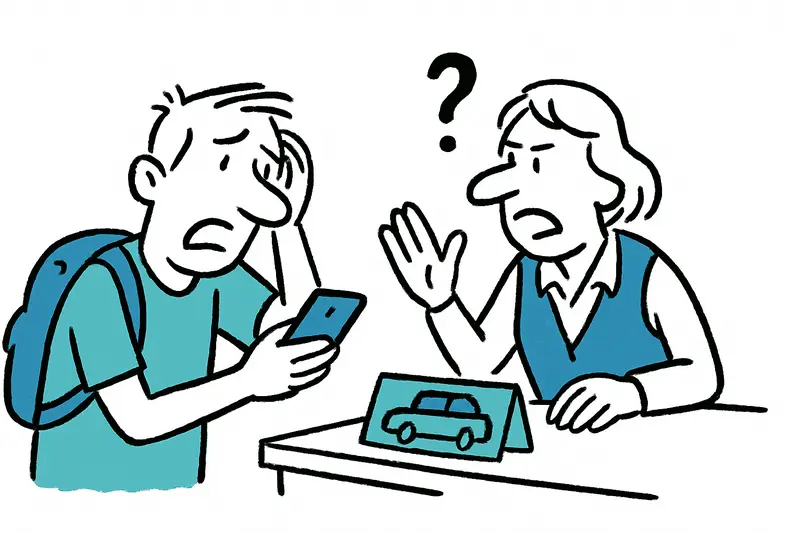
A German holidaymaker describes in an email how a booked and already paid car rental at Palma airport turned into a stressful moment: at the desk they were suddenly asked to leave a cash deposit of €1,200; the operators said the money would only be refunded about four weeks after the vehicle was returned and could be retained in full if a two-centimetre scratch was found. In addition, the holidaymaker said staff claimed that credit cards did not work — even though payment had been made online via an intermediary platform. In the end the car was not taken, the affected travellers continued with Uber and the rental price was lost.
Critical analysis: Such cases are not isolated, but they are also not a normal state of affairs that should simply be accepted. On site, rental companies often require a deposit; this is common practice, as is authorization via credit card. What seems unusual here is the demand for such a high cash deposit and the multi-week hold period with a very broad definition of "damage." If an intermediary platform has processed payments, it must be clear why additional conditions are imposed on site.
What is often missing in public debate: concrete information about which payment methods are binding, who is responsible in case of problems and which time limits are legally permissible. Platforms and local providers often communicate terms and conditions incompletely, as with Suddenly Without a Finca — Payments Missing: Who Is Liable, Who Pays?.
Everyday scene from Palma: on a hot morning in the arrivals area of the airport you see faded information signs, staff in reflective vests, people queuing at small rental car desks. A man with a backpack nervously pulls out his smartphone, a woman at the next desk quietly argues with an employee about missing insurance — the hum of rolling suitcases mixes with the smell of vending machine coffee. Such scenes are typical; the uncertainty need not remain.
Concrete solutions on site and afterwards: 1) Before booking: check insurance coverage and cancellation conditions at the time of reservation and, if possible, take out full coverage insurance with no deductible. 2) Secure receipts: save and print confirmations, payment receipts and all terms and conditions. 3) At the desk: ask for a written, detailed explanation of the required deposit; insist on a written receipt for any payments and deposit conditions. 4) Document the vehicle handover: take photos and short videos of all sides of the car with date and time, show visible flaws and, ideally, have both parties sign. 5) If cash is requested: ask about alternative options (card authorization, credit card hold) and do not be pressured into spontaneous additional insurance. 6) After the incident: contact the intermediary platform, trace the payment, inform the card issuer about chargeback options if necessary and attach evidence.
Politically and administratively more should be done: clear rules for maximum deposit amounts, an obligation to provide written terms at the counter and inspection routines by airport authorities would help. Intermediary platforms should monitor their partners more strictly and demand transparent refund deadlines, a point underscored in When the Finca Dream Collapses: Serious Questions Over a German Agent in Mallorca.
Conclusion: Those booking now should be prepared — with digital and printed receipts, photos at check-out and a backup payment strategy. Those already affected should document, inform the platform and the card issuer and, if necessary, consider legal steps. In Majorca many issues can be resolved if you stay calm, gather evidence and contact the right authorities.
A final tip from the island: if you are at the rental car counter at the airport and tensions rise — take a deep breath, photograph the car, request a receipt and, if necessary, do not leave until everything is clear in writing. It will save nerves — and, ideally, €1,200.
Frequently asked questions
What should I do if a Palma airport rental desk asks for a large cash deposit in Mallorca?
Are cash deposits common at Mallorca car rental desks, and how can I avoid problems?
How can I protect myself when I book a Mallorca rental car through an intermediary platform?
What documents should I bring to Mallorca rental counters to prevent surprises?
What should I do if I face a dispute over a car rental deposit in Mallorca?
Is there a risk to lose money after returning a rental car in Mallorca if a scratch is noted later?
What practical steps can I take at the booking and pickup in Mallorca to reduce stress?
When is the best time to visit Mallorca for a car-based trip, and how should I pack?
Similar News
Rolex Opens First Boutique in Mallorca: Luxury on Passeig Born
The Swiss watchmaker has opened its first address in Mallorca in the historic Can Alomar on Passeig Born. Behind the mov...
Where the Red Roses Stayed: Sant Miquel of Campanet Rediscovered
A reader's story leads us to the small hermitage Sant Miquel near Campanet: a bricked-up pointed arch, a weathered memor...
Security must not rely on translation apps: Why Playa de Palma needs German-speaking interpreters
A security guard, Instagrammer and German speaker observes: After thefts, communication with police and emergency person...
A Tent in Central Palma — A Loud Signal of a Quiet Crisis
A small tent on the Plaça den Coll attracted attention. Why one single tent is more than a scene — and what questions it...

When Will the Rain Come — and Will It Be Enough? Why Mallorca’s Hot Summer Forces Reflection
Aemet sees rain next week and a cooldown to around 29 °C. The question remains: Does a shower end months of extreme heat...
More to explore
Discover more interesting content

Boat Tour with BBQ along Es Trenc Beach

Private transfer from Mallorca Airport (PMI) to Pollensa
