
Shock over Palma: Alcohol, Aggressions and the Question of Responsibility on Board
Shock over Palma: Alcohol, Aggressions and the Question of Responsibility on Board
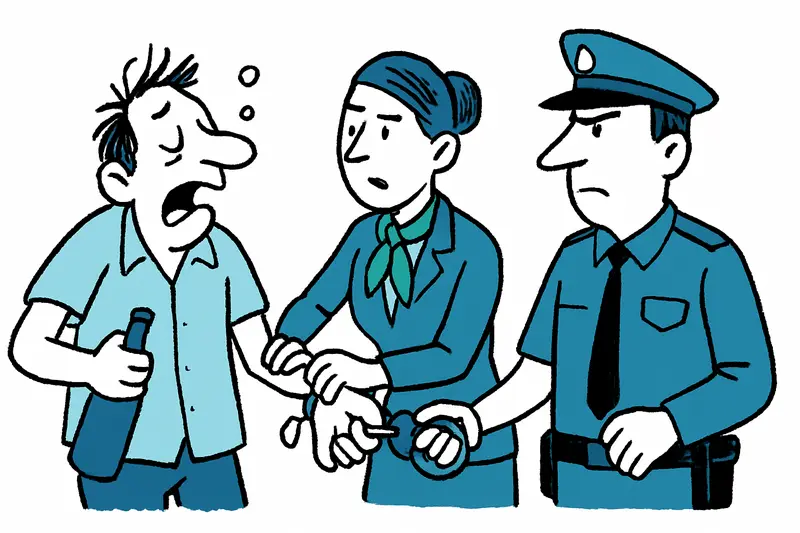
On a flight from Edinburgh to Palma a dispute between an apparently drunk passenger and his partner escalated. The crew and later the Guardia Civil intervened. Why such situations continue to happen and what could be regulated differently here in Mallorca is analysed by Mallorca Magic.
Shock over Palma: Alcohol, Aggressions and the Question of Responsibility on Board
Guiding question: Why do alcohol-related escalations on planes repeatedly end in handcuffs — and who learns the right lessons?
A brief status report: On a Ryanair flight from Edinburgh to Palma a passenger who was apparently intoxicated got into a violent argument with his companion. The crew had to intervene, and after landing units of the Guardia Civil took over; similar large-scale disturbances have occurred, such as the Turmoil on Palma's Runway: What to Know About the Air‑Arabia Incident. The man is said to have struck an officer before he was removed from the cabin and arrested.
Such incidents are not just a nuisance for nervous seatmates. They make visible how thin the line is between partying and dangerous behaviour in cramped aircraft cabins. A close mix of alcohol, confined space, fatigue and a lack of competence in dealing with aggressive passengers is often enough for a situation to flare up.
Problem analysis: Airlines, airports and lawmakers operate within different areas of responsibility — but this is precisely where gaps become apparent. Airlines sell alcoholic beverages on board, airports offer duty-free and bars up to the gate, and checks rarely assess the actual condition of passengers before boarding; yet there have been cases where visibly intoxicated passengers were denied boarding, as with the Ryanair stops intoxicated passenger at Memmingen Airport. When conflicts escalate, cabin crew and local response teams come under pressure: the crew must de-escalate while at the same time ensuring flight safety; the Guardia Civil has limited options in a densely packed terminal after landing.
What is often missing from public discourse: there is much reporting on individual cases, and less on structural causes — reporting ranges from boarding refusals to mental‑health related removals, for example When Mental Health Crises Disrupt Air Travel: Lessons for Mallorca After the Nuremberg Incident. No one talks enough about the combination of easy access to alcohol, long low-cost flights and staffing levels geared toward economic efficiency rather than conflict prevention. The role of airports — bars directly at the gates, a lack of guidance about flying after drinking — also often goes unmentioned.
A typical Mallorca scene: Son Sant Joan on a Saturday afternoon. In the arrivals area you hear luggage carts, announcements about delayed transfers and the rattling of rolling suitcases. Taxi drivers shout offers, families with children look for shade. At these times you also see passengers who have just disembarked and still seem affected by in-flight drinking — loud voices, unsteady steps, sometimes hushed arguments. For the police this is tricky terrain: many people, little space, high expectations of a quick intervention; local outbreaks of violence, like the Brawl at Playa de Palma: Why a verbal exchange could have ended fatally, illustrate the stakes.
Concrete, practical solutions: First, better training and equipment for cabin crew in de-escalation techniques as well as mandatory reporting chains for early intervention. Second, stricter rules before boarding — obvious intoxication as grounds for refusal to board; airports could train gate staff to recognise apparent cases. Third, cooperation between airlines, airports and security forces so that police support does not arrive only after landing. Fourth, regulations for the sale of alcoholic beverages in the airport area, for example limits near the gates or mandatory notices about fitness to fly.
Prevention can also begin where the holiday starts: information campaigns in departure cities about the risks of excessive alcohol consumption before flights, together with clear sanctions for violent acts on board — hefty fines and flight bans could act as deterrents. Technically conceivable are also voluntary breath tests for problematic passengers; legally sensitive, but discussable as an option in particularly conspicuous cases.
The question of proportionality is critical: measures must not disproportionately restrict freedom of travel and fundamental rights. At the same time, the safety of the other passengers must take precedence. What matters is a balanced set of rules that is communicated transparently — and not only in English but also in German, Spanish and other relevant languages so that travellers understand what is allowed and what is not.
What would help concretely now: a task force made up of the airport operator, major airlines and authorities in the Balearics that works closely together during the high season. In the short term, increased security presence at peak times, clear guidelines for crew on dealing with alcohol offences and a hotline for crew members to request immediate police assistance could be implemented.
Conclusion: The incident on the flight to Palma is symptomatic of a larger set of problems. It is not enough to simply condemn and wait for the next report. Mallorca is an island visited daily by people from many different backgrounds. The balance between hospitality and safety must be readjusted — with rules that are practical and with staff who are prepared. Otherwise we will end up at the baggage belt again: exhausted, annoyed and one experience richer that no one wanted on their flight.
In short: Alcohol at the airport is not harmless. Those who bear responsibility should visibly take it — for calm in the cabin and for safety in Palma.
Frequently asked questions
When is the best time to visit Mallorca for good weather and fewer crowds?
Can you swim in Mallorca year-round, or are there seasons for swimming?
What should I pack for a trip to Mallorca?
What are some must-do activities in Mallorca?
How can I get around Mallorca without a car?
Are there family-friendly beaches in Mallorca?
Is Mallorca good for hiking and outdoor adventures?
What cuisine should I try while in Mallorca?
Similar News
Palma Chases Wealthy US Tourists — The Key Question: Who Should the City Actually Serve?
The city is investing more than €200,000 to attract high-paying visitors in several US cities. A good idea — but what is...
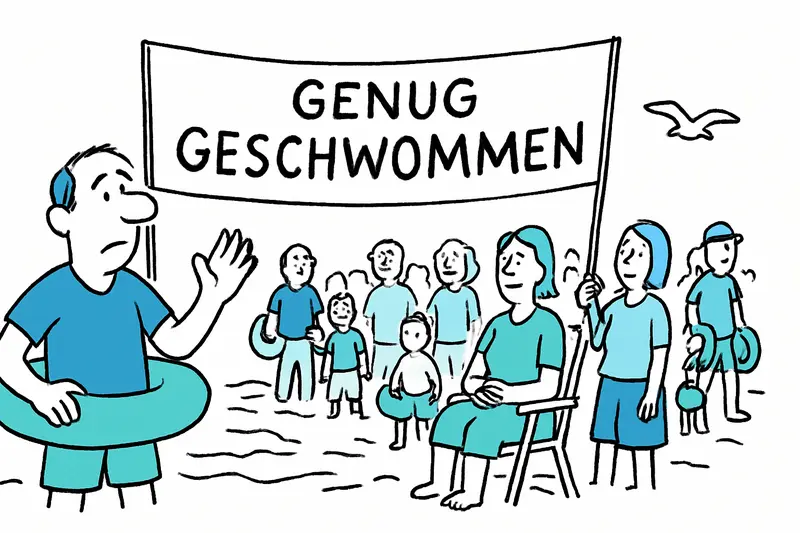
Enough swimming: Why Port de Pollenca is louder than the sea
More than 200 people formed a human chain in Port de Pollenca — not only as a protest but as a wake-up call. Guiding que...
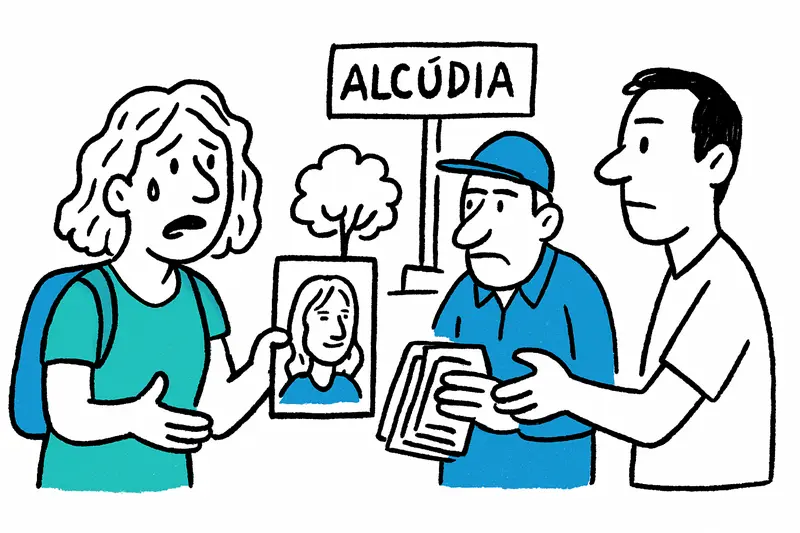
Mysterious disappearance in Alcúdia: Where is 24-year-old Lisa B.?
Since August 3 there has been no trace of 24-year-old German Lisa B. The family has traveled to Mallorca and urgently re...

From the Ruhr Area to the Tramuntana: Thorsten Legat and the FC Germania Mallorca Adventure
The former pro has not only taken the coaching role on Mallorca but also moved into a small island shared house, set amb...
Silent Conquest: What Mallorca's Wildlife Can Do Against Introduced Snakes
For years non-native snakes have been appearing on Mallorca. Who monitors the import routes, how effectively do authorit...
More to explore
Discover more interesting content

Boat Tour with BBQ along Es Trenc Beach

Private transfer from Mallorca Airport (PMI) to Pollensa
