
Summer Heat: A Reality Check on Water Shortages in s'Horta and Deià
Summer Heat: A Reality Check on Water Shortages in s'Horta and Deià
Nightly water shutdowns in s'Horta, daily tanker trucks in Deià — helpful emergency measures or a symptom of a bigger problem? Our critical look with concrete solutions from everyday life on Mallorca.
Summer Heat: A Reality Check on Water Shortages in s'Horta and Deià
Key question: Are nightly shutdowns and water transports sufficient short-term aid — or do they merely cover up the failure to invest in infrastructure and planning for the long term?
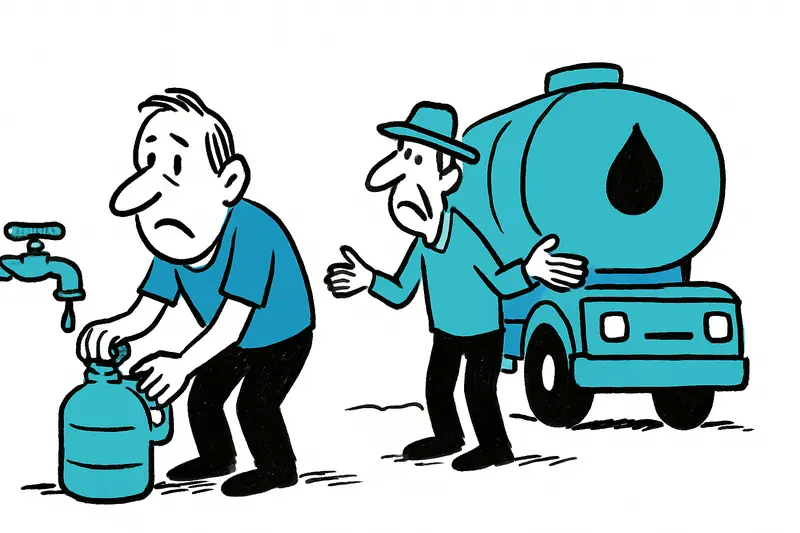
This summer, two very different places on Mallorca are resorting to unusual measures. In the small hamlet of s'Horta (municipality of Felanitx), the public water supply is switched off at night so storage tanks can recover. And in Deià (where drinking water is shut off three days a week) several tanker trucks run daily to supply households with drinking water. These are concrete responses to the same problem: too little available water while consumption is high in hot months (as described in the tanker truck as an emergency exit).
Critical analysis
Such measures work in the short term: they shift scarce resources in time and plug gaps. But they remain a patchwork as long as three issues are unresolved. First: the local infrastructure — pipes, reservoirs and springs — in many places is not designed for more frequent hot summers. In s'Horta there is a well next to the football pitch that apparently is not yet connected to the network. This is a classic case of idle capacity that could be used instead of constantly managing water with trucks or temporary shutdowns.
Second: the system is vulnerable because demand peaks are not sustainably dampened. Nightly shutdowns merely postpone the problem; they push households into a kind of rebound effect, with demand rising again during the day. Without measures to reduce peak consumption — for example smart household storage, regulated watering times or smart meters — the stress remains high.
Third: the distribution of burdens is often opaque. Households, tourism businesses and agriculture compete for the same resource. This is rarely discussed openly enough: those who save today have more tomorrow. There is often a lack of clear prioritization and transparent information for residents.
What's missing in the public debate
More than appeals to save, we need numbers and priorities. There is no proper debate on consumption profiles (who consumes how much? how much water does tourism need at peak season?) or on contract structures with water concessionaries. The potential of local springs and storage is also rarely evaluated systematically: why does a well remain unused? How much capacity could rainwater or greywater storage provide? Without such facts, discussions run in circles.
Also missing is an honest cost-benefit calculation: tanker trucks are expensive and CO2-intensive. Permanent investments in networks, connecting the existing well in s'Horta or decentralized catchment systems usually pay off more in the medium term — and relieve households.
Everyday scene from Mallorca
Imagine the plaza of s'Horta at 10:30 pm: cicadas screeching in the broom bushes, the bar's light flickering, and many houses with dry taps because the pipes have been shut down. People set out jerry cans, neighbors help each other fill them. In Deià the tanker trucks rumble up the steep lanes early in the morning; their headlights cut through the haze while at Sa Baranca the tables are being set and every drop counts.
Concrete solutions
1) Short term: communicate clear, uniform usage rules (e.g. fixed time windows for garden watering), set up temporary community cisterns for drinking water in peripheral areas and check the use of the existing well in s'Horta and, if possible, connect it quickly.
2) Medium term: promote household and municipal storage (subsidy programs for cisterns and rainwater use), introduce smart water metering to manage consumption peaks and prioritize maintenance and descaling of old pipes to reduce losses.
3) Long term: prepare regional water balances, make concession contracts transparent and assess them for resilience, diversify supply sources (reuse of treated water, decentralized small desalination where economically sensible) and implement a differentiated tariff structure that secures basic supply and charges higher rates for excessive use.
Bottom line
Water shutdowns in s'Horta and tanker trucks in Deià are warning signs, not a permanent state. They show that the island is not sufficiently prepared for more frequent hot summers (see how Mallorca's water shortage affects Palma and the villages). Relying solely on appeals now risks these measures recurring every year. A better approach is a mix of immediately effective steps and honest investments — so neighbors on the plaza can again get water from the tap without having to carry jerry cans through the streets at night.
Frequently asked questions
What is Mallorca doing to address water shortages during hot summers?
Why are water taps in s'Horta shut off at night?
Why are tanker trucks delivering drinking water in Deià?
What long-term strategies could improve Mallorca’s water resilience?
What can households do to reduce water use in Mallorca’s hot months?
Why is upgrading water infrastructure important for Mallorca during droughts?
Who bears the burden during water shortages in Mallorca, and why is transparency important?
Should there be a debate about water use during peak tourism in Mallorca?
Similar News

From the Ruhr Area to the Tramuntana: Thorsten Legat and the FC Germania Mallorca Adventure
The former pro has not only taken the coaching role on Mallorca but also moved into a small island shared house, set amb...

Silent Conquest: What Mallorca's Wildlife Can Do Against Introduced Snakes
For years non-native snakes have been appearing on Mallorca. Who monitors the import routes, how effectively do authorit...
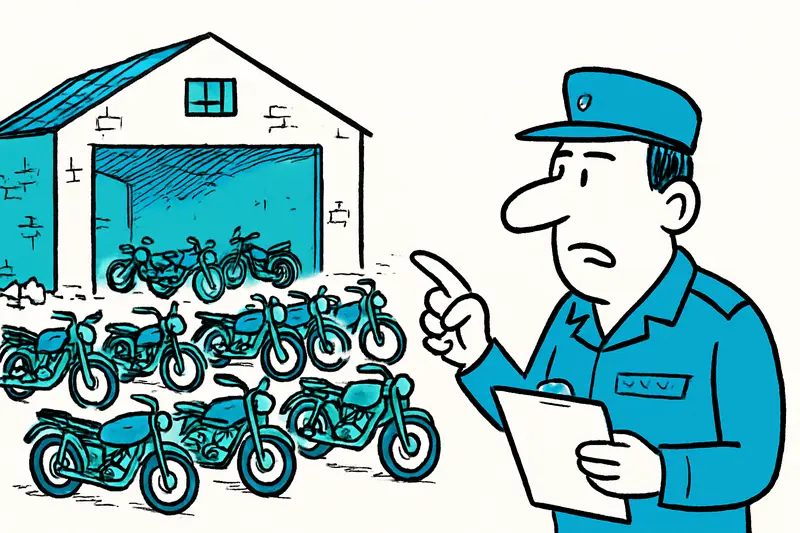
Stolen motorcycles in vacant factory: Guardia Civil finds 19 vehicles
In Inca, investigators discovered 19 motorcycles stolen between April and June. In an abandoned factory near Selva, many...

Storm in Majorca: 75 Responses, Uprooted Trees and Beached Boats – Who Will Draw the Lessons?
A sudden thunderstorm swept over the islands on Thursday evening, leaving uprooted trees, damaged boats and disrupted su...

Daily new boats: Mallorca and the Balearic Islands under pressure from rising arrivals from Algeria
For months, arrivals of boat migrants from Algeria have remained at a high level. Places are lacking, unaccompanied mino...
More to explore
Discover more interesting content

Boat Tour with BBQ along Es Trenc Beach

Private transfer from Mallorca Airport (PMI) to Pollensa
