
Suddenly quiet in Cala Rajada: DJ Klaus has died
Suddenly quiet in Cala Rajada: DJ Klaus has died
The popular DJ of the Königgarten beer garden in Cala Rajada collapsed while on duty and died. A loss for guests, residents and staff — and a reminder about emergency preparedness in local venues.
Suddenly quiet in Cala Rajada: DJ Klaus has died
Mourning at the Königgarten, questions about safety and on-site assistance
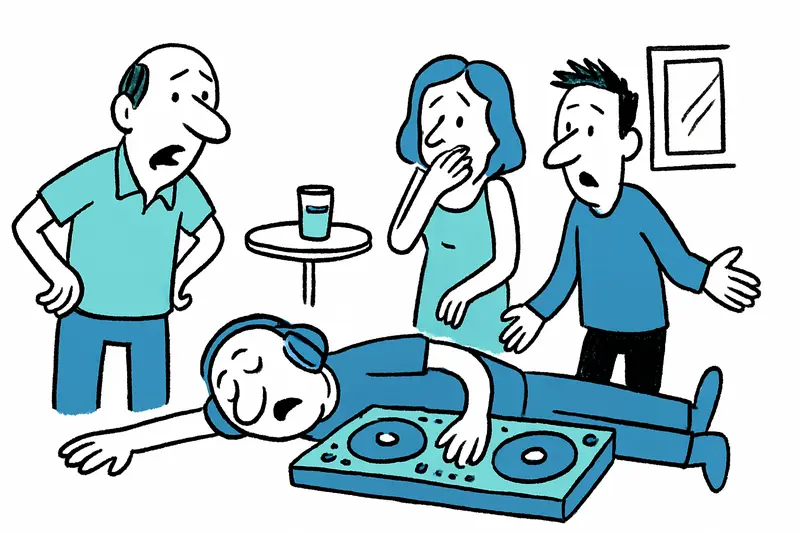
On Monday, June 29, the small scene around the Königgarten beer garden on Cala-Agulla Street lost a well-known musician: the 63-year-old DJ, who had accompanied many evenings and balmy nights at the venue, collapsed while working and died despite the arrival of emergency services. The news of his death quickly spread among guests, residents and regulars; many share memories of loud evenings, the strawberry cake in the afternoon and the familiar music that drifted through the streets of Cala Rajada (similar questions came up in other local cases, for example Mourning at Ballermann: Who protects the most vulnerable at Playa de Palma?).
Key question
How well are our popular meeting places prepared for sudden emergencies — and what can venue owners, municipalities and guests do to ensure such an event does not end in helplessness?
Critical examination
Such collapses are rarely predictable. Nevertheless, they show how quickly a cheerful evening can turn into an emergency. In the incident in Cala Rajada, emergency services were called, but help arrived too late for the DJ. The situation raises several questions: Are there enough accessible defibrillators (AEDs) in and around entertainment venues? Are staff regularly trained in cardiopulmonary resuscitation? How quickly can emergency vehicles reach the narrow holiday resort streets, especially during peak season with heavy traffic (a similar delay was a concern in a recent case on the Paseo Mallorca: Sudden drama on Paseo Mallorca: a death in the rain)?
What is missing from public discourse
Everyone is currently talking about the mourning for the person; less often discussed is how business owners and the municipality could act preventively. There is a lack of concrete information about existing emergency plans in pubs, beer gardens and bars, and also simple instructions for guests: Where exactly is the AED located? Who on site is responsible for first aid? Too often the discussion ends with expressions of condolence without changes to equipment or procedures (some venues have even been temporarily closed due to safety concerns, see Risk of Collapse in Cala Major: Six Venues Temporarily Closed).
An everyday scene from Cala Rajada
Imagine Cala-Agulla Street on a summer evening: cicadas chirp, tables are filled up to the sidewalk, voices mix with live music; at the next table someone is still served coffee with strawberry cake, at the bar someone orders a second beer. In this familiarity there is a certain blindness: people do not expect that a life-threatening situation can arise suddenly among friends. That is exactly what happened — and the gap in clear routines became apparent (similar concerns about on-site preparedness were also raised after a drowning incident at Cala Blava: Well-known university professor dies while swimming in Cala Blava).
Concrete solutions
- Install defibrillators visibly and accessibly: an AED can save lives. Clear signage at the entrance and in the dining area as well as regular checks of the devices are important. - Mandatory training for staff: regular short refreshers in cardiopulmonary resuscitation and AED use should be part of personnel planning. - Post emergency plans: a simple procedure showing who to alert in case of a collapse and where the nearest AED is located helps in moments of panic. - Network with the municipality: local authorities can collect AED locations on a map and encourage local first-responder networks. - Inform guests: small notices on menus or at the register raise visitor awareness to stay calm in an emergency and provide precise information (location, condition of the person).
Conclusion
The DJ's death affects the island community: it is a human loss that highlights the importance of practical preparedness. Mourning and memories of shared evenings should be at the forefront, but this case should also serve as a wake-up call. A few simple measures in pubs, beer gardens and busy meeting points could one day make the difference between life and death. For the people of Cala Rajada, the task remains to honor his memory by doing more than lamenting — by making changes.
Frequently asked questions
When is the best time to visit Mallorca for warm beach days without peak crowds?
What should I pack for a Mallorca trip in warm weather?
Are there good places to swim in Mallorca and when is it best to swim?
How can I get around Mallorca without renting a car?
What family-friendly activities does Mallorca offer?
Is Mallorca a good destination in winter or the shoulder seasons?
What language and etiquette should travelers know in Mallorca?
What are nice day trips from Mallorca's main towns?
Similar News
Nine-year-old rescued after cliff fall at Cala Murada — How safe are Mallorca's coastal paths?
A boy fell roughly five meters down the rocks near Cala Murada. The dusk rescue was elaborate; a helper also had to be r...
How safe are tourists in the luxury marinas? After arrests: a reality check
The Guardia Civil arrested two men in Calvià who are suspected of stealing luxury watches in Port d'Andratx and Puerto P...
Palma Chases Wealthy US Tourists — The Key Question: Who Should the City Actually Serve?
The city is investing more than €200,000 to attract high-paying visitors in several US cities. A good idea — but what is...
Enough swimming: Why Port de Pollenca is louder than the sea
More than 200 people formed a human chain in Port de Pollenca — not only as a protest but as a wake-up call. Guiding que...
Mysterious disappearance in Alcúdia: Where is 24-year-old Lisa B.?
Since August 3 there has been no trace of 24-year-old German Lisa B. The family has traveled to Mallorca and urgently re...
More to explore
Discover more interesting content

Boat Tour with BBQ along Es Trenc Beach

Private transfer from Mallorca Airport (PMI) to Pollensa
