
Rescued in Cala Barques: Female Tourist Stabilized After Cardiac Arrest
Rescued in Cala Barques: Female Tourist Stabilized After Cardiac Arrest
A 57-year-old British holidaymaker was resuscitated in Cala Barques (Pollensa) after a cardiac arrest. After 40 minutes and four defibrillator shocks, her pulse was restored.
Rescued in Cala Barques: Female Tourist Stabilized After Cardiac Arrest
Rescuers bring woman to hospital after 40 minutes of CPR and four defibrillations
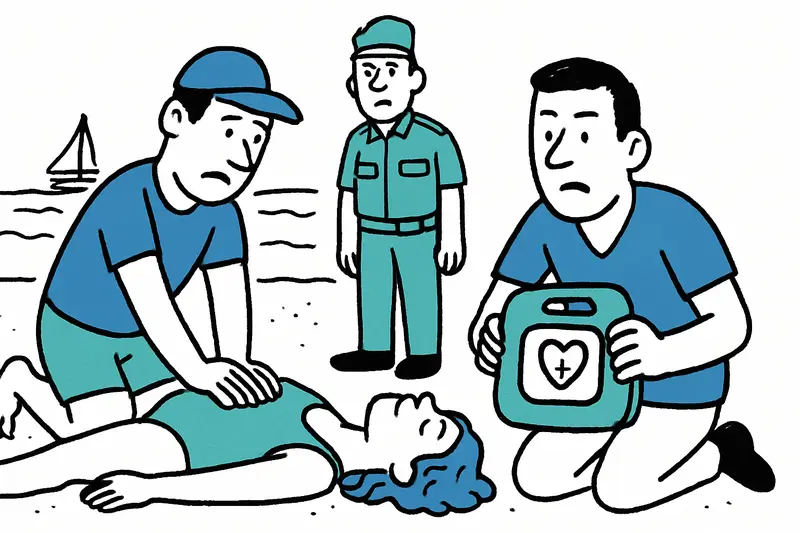
On Monday morning, while the sun beat down on the rocks of Cala Barques and small waves quietly slapped the pebble beach, a response that relieved many became a reminder of how quickly help can save lives. A 57-year-old British woman was found drifting in the sea by lifeguards – face down. The teams pulled the woman ashore and immediately began treatment.
At first the holidaymaker still had a pulse, but shortly afterwards she suffered a cardiac arrest. The lifeguards began cardiopulmonary resuscitation (CPR) immediately. Within minutes additional helpers arrived: local police officers, Guardia Civil personnel, a mobile team from the local health centre, the ambulance crew and even staff from the sunbed rental who provided first aid on site. The background noise – a distant motorboat, voices of bathers, the clicking of cameras – faded as the team worked with concentration.
The resuscitation efforts lasted around 40 minutes. During that time the rescuers used a defibrillator four times. Afterwards they were able to stabilise the patient's circulation and obtain a reliable pulse. The woman was then transported to hospital for further care.
Such operations are not an everyday given on the island, but neither are they rare: in the summer months coves like Cala Barques are crowded, boats anchor offshore, children build stone walls at the water's edge, and lifeguard posts have a lot to observe, as incidents such as Cardiac Arrest on Can Picafort Beach: Questions Remain and Ideas for the Future show.
The fact that a rapid, coordinated response took place turned the situation into one that people on the beach visibly felt relieved about – people rallied together, looks sought information, a woman in the ice cream shop whispered that fortunately the woman was breathing again.
The incident serves as a reminder of two simple but crucial points: first, how important it is for trained lifeguards to be present on beaches, including in areas not directly visible from the watch post. Second, how effective basic knowledge of resuscitation and the ability to use a defibrillator can be. Four defibrillator shocks combined with sustained CPR apparently made the difference in this case.
For Mallorca this means more than a single person saved. It shows that the network of volunteers, professional rescuers and local services works – when everyone pulls together, as in Port d'Andratx: Tourist Resuscitated by Bystanders and Police After Cardiac Arrest.
It is a piece of everyday solidarity: walkers, beach workers, police and paramedics caring together for a stranger who went into the sea on an ordinary beach day.
One appeal remains: those who live here or visit the island should not only enjoy the sun and the sea, but also bring basic knowledge. A short first aid course, knowing where a defibrillator is located on the beach, or quickly calling the emergency number can make the difference, a point highlighted in Collapse on the Boulevard: Resuscitation in Peguera – Are Our Tourist Resorts Well Prepared?.
The rescue in Cala Barques is a story that gives courage – and an incentive to contribute so the next emergency ends just as fortunately.
How the woman is doing now is being followed up in the clinic. For people on site the memory remains of a morning when collective action saved a life: the sound of the waves, the beeping of the defibrillator, the murmur of concerned voices – and in the end the palpable relief when a heart beats again.
Frequently asked questions
What is the best time of year to visit Mallorca for outdoor activities?
Are the beaches in Mallorca safe for swimming?
What should I pack for a Mallorca vacation?
Is it easy to get around Mallorca without a car?
What are the must-see natural spots in Mallorca?
How does the weather typically vary across Mallorca's seasons?
Are there family-friendly activities in Mallorca?
What day trips are popular from Mallorca?
Similar News
Body in the Basin of Port Adriano: Who Protects People During Crossings?
In the morning, just before noon: employees of a luxury marina discovered a floating body in the basin of Port Adriano. ...
Raised from the Sand: A Late Antique Merchant Ship Tells of the Sea off Can Pastilla
A 1,700-year-old Roman merchant ship was raised off Can Pastilla. Finds such as sail fragments and amphorae provide rare...
After the Storm: Why Many Fish Died at Riuet de s'Illot — and What's Still Missing
After the severe storm, numerous dead fish were found in the Riuet de s'Illot wetland. Who is affected, why it may have ...
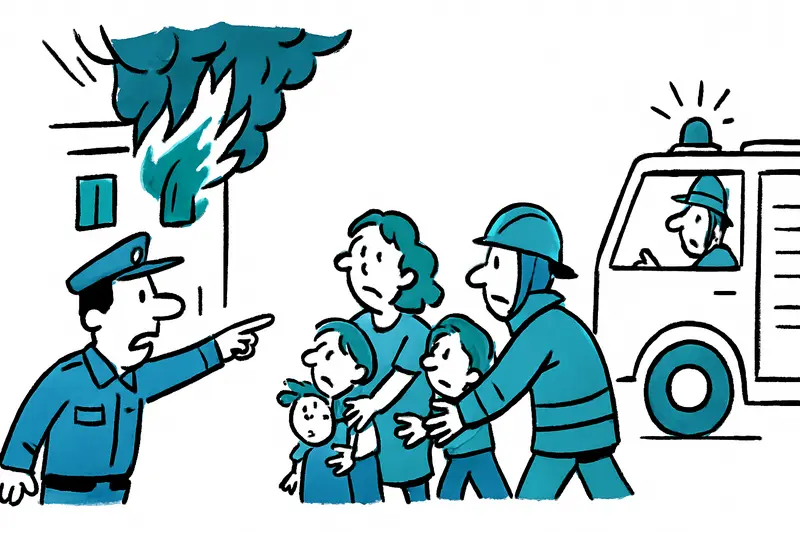
Fire in Can Picafort: Family Rescued at the Last Minute – a Safety Check for the Promenade
A fire in a sports shop on the Can Picafort seafront forced the evacuation of a mother with four children. How safe are ...
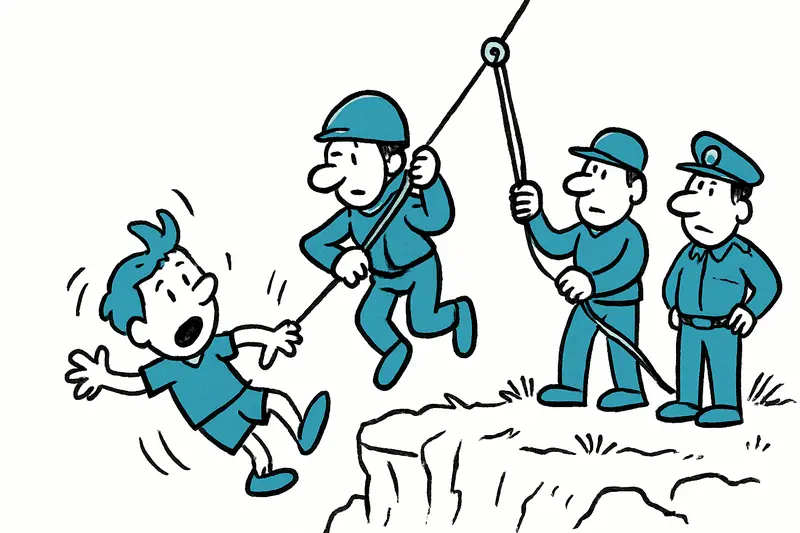
Nine-year-old rescued after cliff fall at Cala Murada — How safe are Mallorca's coastal paths?
A boy fell roughly five meters down the rocks near Cala Murada. The dusk rescue was elaborate; a helper also had to be r...
More to explore
Discover more interesting content

Boat Tour with BBQ along Es Trenc Beach

Private transfer from Mallorca Airport (PMI) to Pollensa
