
Collapse on the Boulevard: Resuscitation in Peguera – Are Our Tourist Resorts Well Prepared?
A tourist collapsed on the Bulevar de Peguera and was successfully resuscitated. Praise for the lifeguards — but also questions about preparedness in holiday areas: Where are AEDs, who is responsible, and how well trained are hotel teams?
Collapse on the Boulevard: Resuscitation in Peguera – What went well, what didn’t?
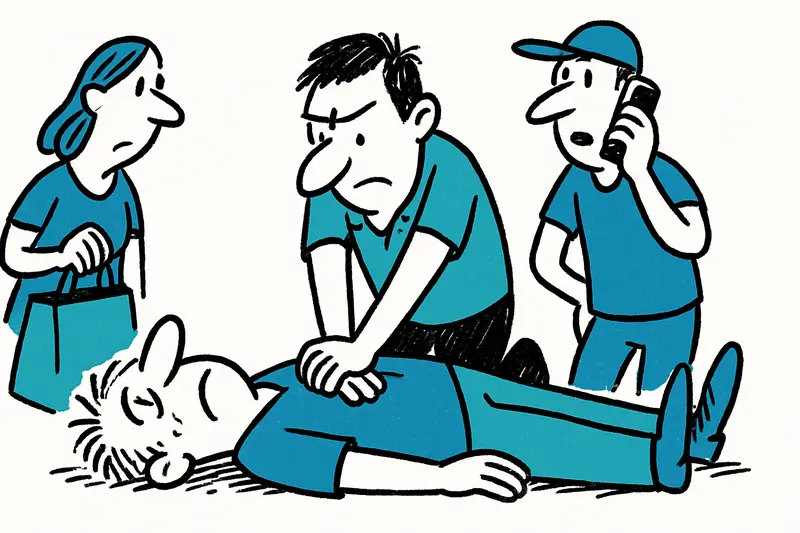
It was one of those clear mornings when the smell of coffee drifted along the pedestrian zone and retirees inspected the shop windows. At around 10:30 a.m. a man, estimated to be about 60, collapsed without warning on the Bulevar de Peguera. A dull thud, a cry — and immediately the familiar beep: someone dialed the emergency number 112.
Rescue within minutes: quick aid at Palmira Beach
The next few minutes felt long, but professional help arrived quickly. Lifeguards from the nearby Palmira Beach were on patrol and immediately began chest compressions. Shortly after, the local Calvià police, Guardia Civil and volunteer civil protection helpers arrived. Witnesses report that the man initially had no detectable pulse — and that the resuscitation measures had an effect step by step: stabilization and transport to Hospital Universitari Son Espases in Palma.
Scenes like this show the best of our island community: people stepping in without hesitation. The loud calls, the coordination of helpers, the practiced fitting of a stretcher — it all sounded like a well-rehearsed emergency scene on an open stage.
The key question: Are our beaches and boulevards sufficiently prepared?
At the same time, the incident raises uncomfortable questions that are often overlooked in the excitement. How well equipped are tourist areas when heart attacks or fainting spells occur in the middle of busy promenades? Where are the nearest defibrillators, who knows their locations, and how quickly can hotel or shop staff act in an emergency?
The impression that help arrived is not misleading — but it shouldn’t hide the fact that much depended on luck and coincidence: that lifeguards happened to be nearby, that passers-by did not run away but stepped in. It would not run so smoothly everywhere. As seen in Cardiac Arrest on Can Picafort Beach: Questions Remain and Ideas for the Future, similar incidents can expose gaps in preparedness.
Aspects that are rarely discussed
Some points remain underexposed in public debates: the placement and signage of automated external defibrillators (AEDs) is patchy in many municipalities. There is a lack of clear responsibilities: do AEDs belong to municipal infrastructure, to hotel groups or to the tourism association?
Language barriers are another problem. Many first responders are guests who do not understand emergency calls or instructions in the local language. A short, loud “Do you have a pulse?” — as a witness suggested — can work wonders because it calms panic and helps coordinate helpers.
Concrete steps: What can Calvià (and other municipalities) do?
There are practical solutions that could show quick results. First: a publicly accessible AED map with clear signage on boulevards, beaches and in hotel complexes. Second: mandatory first aid and AED training for hotel receptionists, restaurant teams and beach operators — simple refresher courses are often enough to make interventions safer.
Third: better cooperation between emergency services and tourism associations. A digital map (also available offline) with AED locations, access routes and translation phrases for common emergency situations would be a pragmatic gain. Fourth: regular control rounds — keyword: checking equipment and the accessibility of Son Espases or other clinics.
A reminder without panic
There was a similar case in Port d'Andratx: Tourist Resuscitated by Bystanders and Police After Cardiac Arrest a week ago, so Peguera is not an isolated incident. That does not mean the island towns are unsafe — previous cases, including Dead Tourist at Playa de Palma: An Accident Raises Many Questions, mean that prevention, information and infrastructure in places with many older guests need to be thought through more tightly.
The good news: in Peguera the coordination between helpers and emergency services worked. That is a reason to thank everyone who did not look away that morning. The next step must be to make this good fortune depend less on chance.
Our island is safer amid the clinking of café cups, the calls of the seagulls and the rattling of sunbeds if we do simple things: make AEDs visible, train staff and inform guests. Then what yesterday luckily ended without severe consequences can become routine — in the best sense.
We wish the person affected a speedy recovery and thank the people who helped without hesitation.
Frequently asked questions
How well prepared are Mallorca resorts for a medical emergency on the street or beach?
What should I do if someone collapses in Mallorca?
Are defibrillators easy to find in Mallorca tourist areas?
Why do language barriers matter in emergencies in Mallorca?
What happened in Peguera when the man collapsed on the boulevard?
Was the emergency response at Palmira Beach in Mallorca quick enough?
Why is Mallorca talking more about first aid training in hotels and beach clubs?
Is Peguera in Mallorca unsafe for older tourists after this collapse?
Similar News
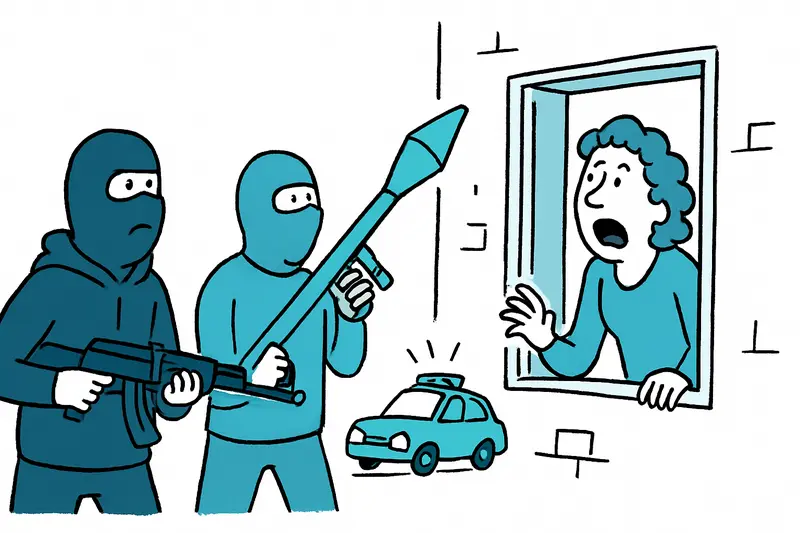
Masked Images, Real Panic: When Social Media Aesthetics Alarm Neighbors
Five German content creators filmed on a recently vacated detention site using deceptively realistic props. The result: ...
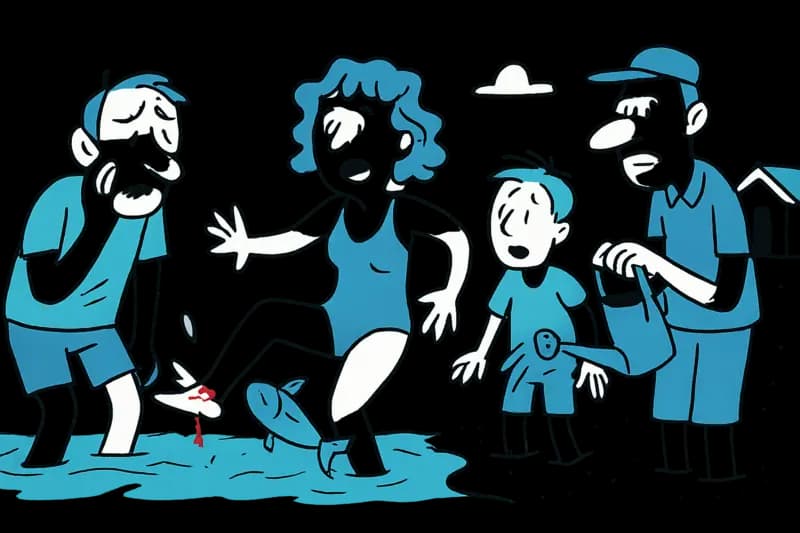
Why the Striped Breams in Cala Pí Should Be a Wake-up Call
Once again bathers in Cala Pí were surrounded while swimming by small, nippy fish — some wounds bled. Time for clear rul...
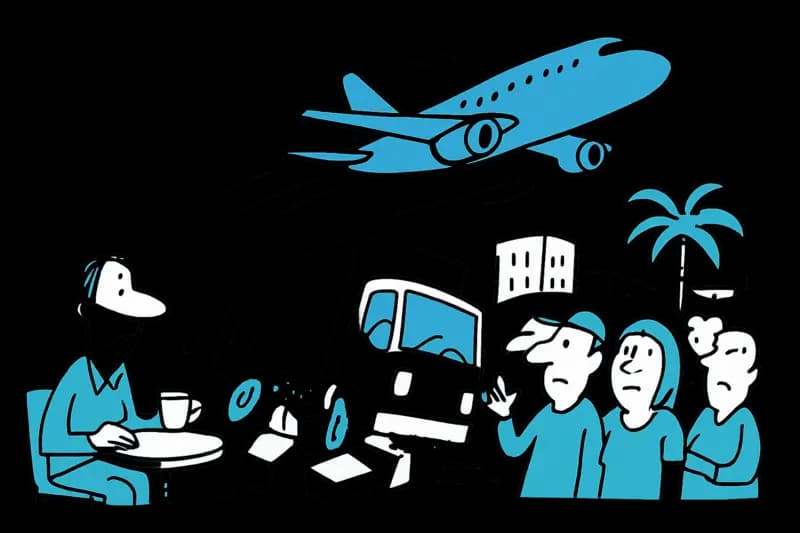
Daily from New York: How Palma's Air Traffic Is Growing — and What Must Change
United will increase the Newark–Palma service to daily flights in 2027 (Boeing, 231 seats). Strong tourist numbers clash...
When Love Ends in Shards: Destruction in Son Vida and the Questions That Remain
In Son Vida a relationship dispute escalated: a woman destroyed furniture in a luxury villa, later pressed a panic butto...
Who Bears the Burden? Mallorca Between Tenant Protection and Landlord Fears
Madrid's new housing decrees strengthen tenant rights — but on Mallorca concern is growing: will the law drive small lan...
More to explore
Discover more interesting content

Can Cap de Bou

Townhouse Lleo 72
