
Port d'Andratx: Tourist Resuscitated by Bystanders and Police After Cardiac Arrest
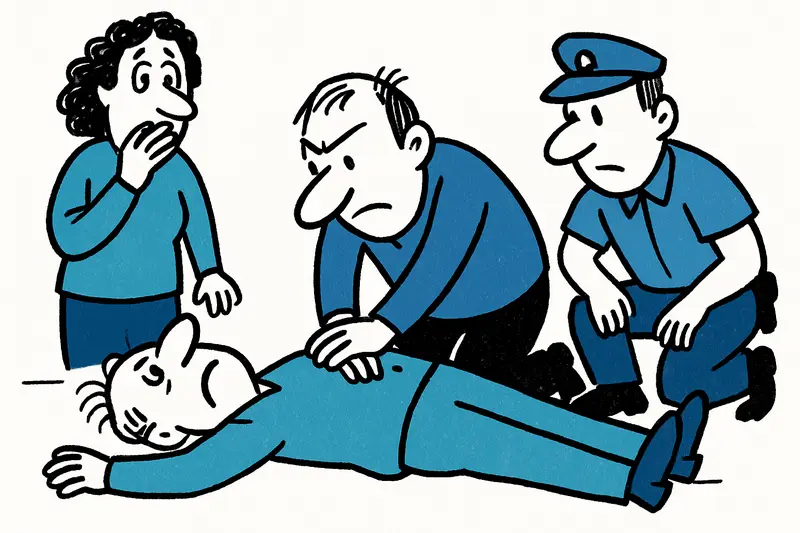
At the entrance to Port d'Andratx harbor, an 80-year-old German tourist collapsed. Thanks to quick assistance from passersby, a nurse who happened to be present, and the local police, he was stabilized. A story of solidarity by the water.
When a walk turned into an emergency — quick help in Port d'Andratx
It was that typical late-afternoon sound in Port d'Andratx: the cries of seagulls, the gentle clinking of boat ropes and the distant murmur of voices from the cafés along the waterfront. Around 5:00 p.m., the quiet entrance to the harbor suddenly turned into a small emergency scene. An 80-year-old German tourist complained of severe discomfort and collapsed unconscious. Strollers held their breath — and acted.
People who don't look away
Precisely because there are always people around here — locals, vendors, café staff and visitors — helpers appeared immediately. A nurse who happened to be off-duty and nearby began assessing the situation at once. Waiters came out of the cafés, moved chairs aside, and someone wiped a napkin to use as a makeshift cloth. Within minutes the local police arrived and, together with the first responders, began cardiopulmonary resuscitation.
Four minutes — that's how long time can feel when a person is waiting for help. In this case those minutes counted: chest compressions, clear instructions, and checking a defibrillator ultimately brought back a pulse. The man was stabilized on site.
From the harbor to the hospital — and what it means for the island
An ambulance transported the patient to a private clinic. According to initial information his condition is serious but stable. Relatives who had been walking with him were visibly shaken but received immediate support from people around them: someone handed the wife a blanket, and a café provided hot water for tea. Scenes like these are not headlines about disasters but reports of neighborhood solidarity, even when tourists are involved — as in Resuscitation in Peguera.
For Mallorca this has a positive side: places like Port d'Andratx are not just postcard scenery but living communities where people help one another. That increases the sense of safety for visitors and locals alike — and shows that quick layperson aid can save lives, though smaller villages have also faced tragic incidents such as Cardiac Arrest in Caimari.
Why more could still be done
The episode ends for now on a positive note — but it also raises questions we hear on the island more often: Are there enough publicly accessible defibrillators along the promenades? Are seasonal workers and business owners regularly trained in first aid? Small measures could have a big impact; Cardiac Arrest on Can Picafort Beach is one tragic example that highlights the stakes. More clearly visible AED stations at the harbor, clear signage and short training sessions for café teams and boat crews would be pragmatic steps.
City authorities and tourist information points could also offer simple first-aid sessions, for example in cooperation with local health centers. This would create a double benefit: a safer Mallorca and a community that knows how to work together in an emergency.
Once again, every minute counts
This afternoon in Port d'Andratx is a reminder of how important attention and courage are. There was no large ambulance parade, no big television image — just people who didn't look away. The true protagonists were a chance helper, the police officers, the passersby and the café staff. Together they turned an acute crisis into a chance for recovery.
If you are traveling in Mallorca: Emergency number 112. And if you can, help on site — a short first-aid course can save lives later.
Frequently asked questions
What should I do if someone collapses in Mallorca and seems to be in cardiac arrest?
Is Port d'Andratx a safe place for visitors?
Are there defibrillators in Mallorca's tourist areas?
What is the emergency number in Mallorca?
Should I pack anything special for a summer trip to Mallorca if I have heart problems?
What kind of first aid training is useful for people working in Mallorca's cafés and tourism businesses?
What should I do if someone has a medical emergency at a harbour in Mallorca?
Why do bystanders matter so much in emergencies in Mallorca?
Similar News
Why the Striped Breams in Cala Pí Should Be a Wake-up Call
Once again bathers in Cala Pí were surrounded while swimming by small, nippy fish — some wounds bled. Time for clear rul...
Daily from New York: How Palma's Air Traffic Is Growing — and What Must Change
United will increase the Newark–Palma service to daily flights in 2027 (Boeing, 231 seats). Strong tourist numbers clash...
When Love Ends in Shards: Destruction in Son Vida and the Questions That Remain
In Son Vida a relationship dispute escalated: a woman destroyed furniture in a luxury villa, later pressed a panic butto...
Who Bears the Burden? Mallorca Between Tenant Protection and Landlord Fears
Madrid's new housing decrees strengthen tenant rights — but on Mallorca concern is growing: will the law drive small lan...
On the Edge: What Mallorca's Airport Loses If a Major Low-Cost Carrier Falters
The company that operates numerous connections from Palma to France and domestically is negotiating with creditors to re...
More to explore
Discover more interesting content

Can Cap de Bou

Townhouse Lleo 72
