
Cardiac Arrest in Caimari: Are Mallorca's Villages Prepared for Medical Emergencies Involving Tourists?
A 60-year-old tourist dies while walking in Caimari. The incident raises questions: How well are small villages prepared for acute medical emergencies — and what needs to change?
Cardiac arrest in Caimari: A quiet morning turns into tragedy
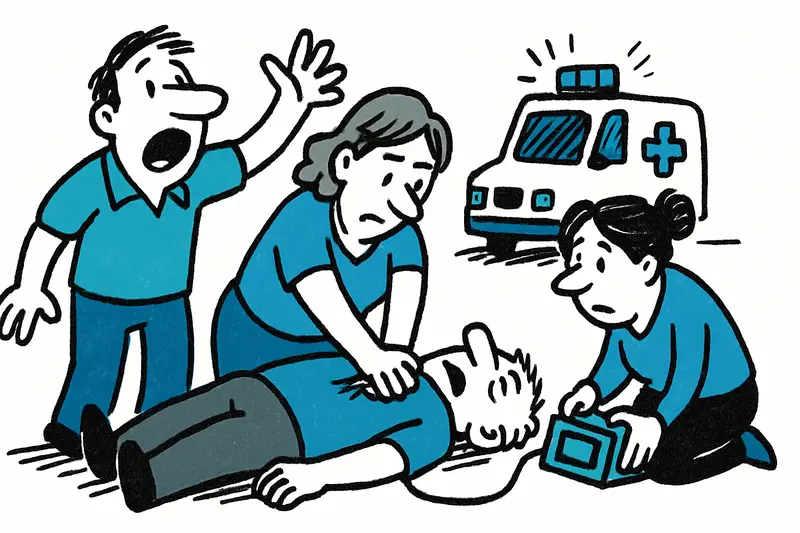
It was one of those clear Tramuntana mornings: the bell of the small church rang, restaurateurs on the Plaza of Caimari were preparing the first tables, and the smell of bread came from a bakery. Around 9:40 a.m. routine was broken when a 60-year-old German tourist suddenly collapsed in the middle of the village. Shouts, the squeak of an iron door, the distant wail of an ambulance – minutes that felt like hours for the family.
The immediate response – human, but limited
Relatives immediately began resuscitation and neighbors offered help. A defibrillator was used, and emergency doctors and rescue personnel continued resuscitation. Despite all efforts, the man died at the scene. The local police from Selva supported the family and assisted with the formalities; medical details were not released out of respect for the bereaved.
The key question: How prepared are small towns for such emergencies?
The tragedy raises a simple but weighty question: Are Mallorca's mountain villages, which rely on tourism, truly prepared for acute medical emergencies — especially when those affected are visitors with pre-existing conditions? In Caimari, as in many other places, including coastal incidents such as Cardiac arrest on Can Picafort Beach, you find narrow alleys, winding access routes and distant clinics. This infrastructure changes the minutes that decide between life and death.
Looking beneath the surface: Aspects often overlooked
First: AED availability. Automated external defibrillators can save lives outside hospitals. But their availability in small communities is patchy. Second: Linguistic and organizational barriers. Visitors do not always speak Spanish or Catalan; clear, multilingual signage is often missing. Third: Public knowledge. Many locals help instinctively, but systematic first aid training is not universally available.
Added to this is rural access: narrow side streets, parked delivery vans, seasonal visitor congestion — all of which slow down emergency vehicles. And finally: travellers' own health precautions. Medications, a travel first aid kit and medical advice before heading into the mountains are rarely sufficiently checked.
Similar questions were raised after the Resuscitation in Peguera incident, which highlighted preparedness gaps in tourist areas.
Concrete opportunities and proposed solutions
From the tragedy, practical steps can be derived that local politics, the tourism sector and communities can tackle together:
1. Expand the AED network: Public squares, tourist information centers, pharmacies and cafes should be equipped with centrally registered defibrillators. A map — digital and printed — helps first responders find the nearest device quickly.
2. Promote first aid training: Community centers, hotels and hosts could offer regular courses. Even basic knowledge of chest compressions and AED use significantly increases chances of survival.
3. Multilingual emergency information: Emergency numbers (061 for medical help, 112 for general emergencies), directions to the nearest clinic and advice for travelers should be visible in German, English and Catalan/Spanish.
4. Cooperation with tourism stakeholders: Car rental companies, hiking guides and accommodations could provide targeted advice to older guests: medication checks, doctor contacts, and instructions on what to do in case of sudden illness.
5. Infrastructure for emergency vehicles: No-parking zones at key access points, clearly marked emergency lanes and information on parking can reduce response times.
Community remains at the core
In Caimari, residents showed what small villages are about: immediate sympathy, the offer of a quiet room in a café, a glass of water for the family. Such gestures bring little comfort but are important when the world suddenly feels foreign. Still, good intentions alone are not enough — systematic measures are necessary so that future emergencies have better chances.
Farewell, respect, and a call to action
For the bereaved, Caimari is now linked with grief. The municipality, rescue services and authorities are handling the usual steps — and ask for privacy. For us as an island community, the incident is a reminder: tourism and local life must also grow together medically, as past cases like Death in Colònia de Sant Jordi underline.
In an emergency: 061 for medical assistance, 112 for general emergencies. If unsure, ask your accommodation or the nearest pharmacy about the closest AED.
Frequently asked questions
Are small villages in Mallorca prepared for medical emergencies with tourists?
What should I do if someone collapses in Mallorca and may be in cardiac arrest?
How easy is it for ambulances to reach villages in the Tramuntana, such as Caimari?
Where can I find an AED in a Mallorca village?
What emergency numbers should tourists use in Mallorca?
Do tourists in Mallorca need to prepare differently before hiking in the mountains?
Why is multilingual emergency information important in Mallorca?
What can Mallorca communities do to improve survival after a cardiac arrest?
Similar News

Maribel: Five Decades of Service – Housekeeper from Peguera Celebrated with a Special Honor
Over 50 years in the hotel business: María Isabel “Maribel” Molinos was honored in Palma at the Nit del Turisme by Unive...
Orange Alert over Parts of Mallorca: Are We Prepared?
Dark clouds and an announced wet spell have triggered an Orange alert in parts of Mallorca. A reality check: what's miss...

Sundair & Co.: Sale speculation and what it could mean for Mallorca
Rumors about a possible sale of the airlines Sundair and Fly Air 41, which belong to Schauinsland-Reisen — and whether b...
Anne Wünsche in Mallorca: A job offer with a catch — who fits the role of personal assistant?
Influencer Anne Wünsche has left Berlin and is urgently looking for a full-time personal assistant in Mallorca. Why the ...
Daily from New York: Palma Between Boom and Strain
United will increase the Newark–Palma route to daily flights in 2027 using Boeing aircraft (231 seats). What does the in...
More to explore
Discover more interesting content

Can Cap de Bou

Townhouse Lleo 72
