
When the island boils: Heat, everyday life and what we really need
When the island boils: Heat, everyday life and what we really need
At the end of June an unusually warm air mass brings high temperatures and tropical nights to Mallorca. Key question: Are warnings and breezes enough, or are concrete protective measures for people, animals and infrastructure missing?
When the island boils: Heat, everyday life and what we really need
A critical assessment between hot days, balmy nights and everyday life in Palma
Guiding question: Why do the current extreme temperatures on a June weekend not only cause sweating tourists, but also hit everyday life, health and infrastructure – and what is missing from the discussion so the island can be better prepared?
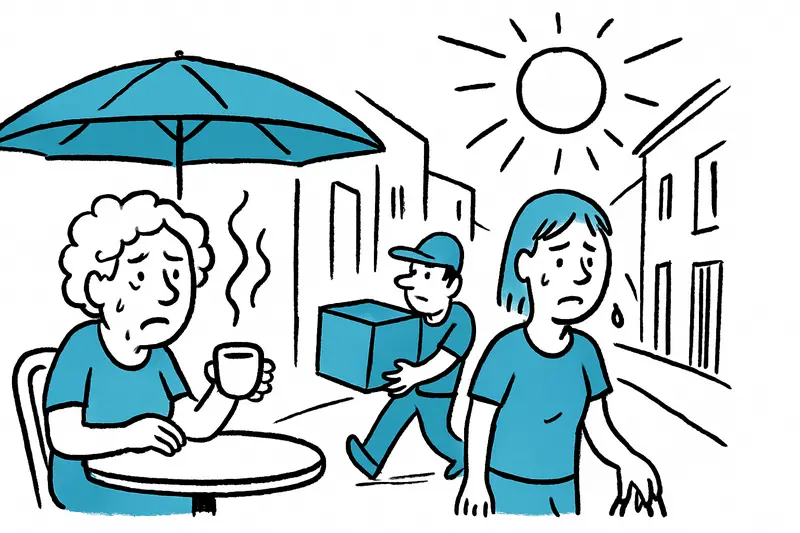
It is Friday noon, the sun stands above the Passeig del Born and the asphalt is glowing. On the Plaça Major older people sit under awnings, hands wrapped around coffee cups, while delivery workers carry water cartons through the alleys. At the Mercado de l’Olivar the vendors look pale; the fish lie on ice, yet the hall is hot. Such scenes are repeating right now in villages like Inca and Felanitx as well as in Palma’s narrow streets: heat is no longer an abstract weather word, but a tangible factor in daily life.
The facts are clear: a warm air mass from North Africa brings late-June values well above the usual monthly averages, as noted in Heat alert on Mallorca: How well is the island prepared for infernal heat days? For many people this means daytime temperatures close to 38–40°C, hardly any cooling at night, and locally minimums around 24–26°C. This combination leads to so-called noches tropicales, nights in which the thermometer barely drops and recovery does not occur.
Critical analysis: warning levels and reality diverge. Authorities issue weather warnings, as highlighted in 40 Degrees This Weekend: Mallorca Faces a Heat Test – What Matters Now; meteorological services report the air masses and the high sea temperature. That is important, but insufficient: warnings are purely informational tools. What they do not provide is the operational implementation of protective measures for people without air conditioning, for outdoor workers, for tourists without local support, or for homeless people and pets.
Infrastructure also suffers. Asphalt deformations on rural access roads, increased failures of power generators in remote fincas, higher water consumption in hotels and private households: these effects are real and are often only marginally mentioned in public debate. Another problem: loud air conditioners in dense developments push nighttime temperatures even higher in courtyards and inner streets, a challenge examined in Heatwave reaches 42 °C: How Mallorca should cope with the new temperature peak.
What is missing in the debate: 1) concrete aid plans for particularly vulnerable groups; 2) short-term measures to prevent power grid overload; 3) binding rules for employers who have outdoor workers; 4) sufficiently marked, easily accessible public drinking water points and cooling zones in municipalities. Instead, many conversations revolve around statistical records and general warnings.
A practical everyday example: On Sunday afternoon a woman tried to take her elderly mother to a cool room in a neighborhood center in the old town. The center was open, but there were only a few power outlets, the air conditioning was weak, and the taxi took too long. Such small stories repeat themselves, and social services or volunteers are not always nearby.
Concrete solutions that can take effect immediately, outlined in When Mallorca Cooks: How Prepared Is the Island for the Next Heatwave?: 1) municipalities should install mobile drinking water stations (collapsible tanks, chilled dispensers) and mark their locations on signs in districts; 2) local cooling centers with clear opening hours and barrier-free access; 3) temporary working-time regulations for construction and landscaping trades (work in cooler morning hours, mandatory shaded break areas); 4) battery-based emergency power packs for health centers in peripheral areas; 5) coordinated information campaigns in multiple languages that recommend concrete behavior (drink, clothing, avoid direct sun). Many of these measures cost little but prevent suffering and reduce health risks.
In the medium term the island needs structural adjustments: more street trees in urban areas, removing paving where possible, better insulation and passive cooling in new buildings instead of sole reliance on air conditioning, and subsidy programs for older people so they can make their homes more heat-resistant. The sea is already warmer than usual; bathing spots must also respond sensitively to water quality and increased pressure.
Animal welfare also plays a role: pets and livestock feel the heat immediately. Veterinarians and animal protection organizations need emergency plans, drinking water points for animals and clear guidance for farmers on feeding during hot hours. In the fields, shade nets and water supplies are not luxury measures but necessary protection for animals and seasonal workers.
Public debates sometimes get tangled in blame games: climate change versus short-term weather events; tourist numbers versus local responsibility. Neither is helpful when people and supply chains stumble in midsummer. A pragmatic approach that prioritizes immediate help as well as long-term adaptation would be better.
Conclusion: Heat is not a whimsical news item; it is a practical problem that is felt in Palma’s alleys and the island’s villages. In the short term, drinking water, access to cool spaces and sensible working hours help. In the medium term, Mallorca needs urban planning and social measures that not only report heat but mitigate it. The island has experience with hot summers — but experience alone is not enough; planning, clear priorities and a bit of neighborly help are needed so that no one is left sweating at night or risks their job or health by day.
Frequently asked questions
What practical steps can Palma residents take during a heatwave?
What short-term measures are needed to prevent power grid overload during Mallorca heatwaves?
How can Palma's old town handle extreme heat more effectively?
What is the role of cooling centers and water stations during Mallorca heatwaves?
What long-term urban planning changes could Mallorca implement to cope with hotter summers?
Why is heat a daily life issue in Mallorca, not just a weather story?
How should outdoor work be organized during Mallorca heatwaves?
What should tourists know about staying safe in Mallorca during a heatwave?
Similar News
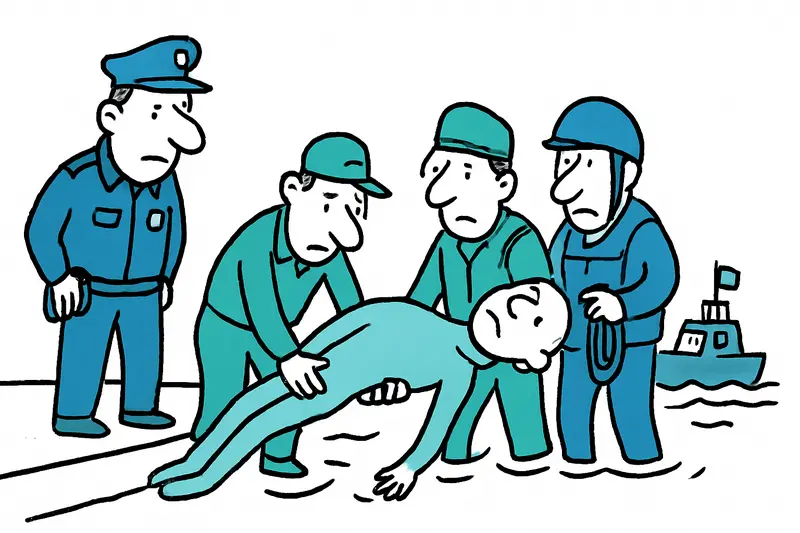
Body in the Basin of Port Adriano: Who Protects People During Crossings?
In the morning, just before noon: employees of a luxury marina discovered a floating body in the basin of Port Adriano. ...
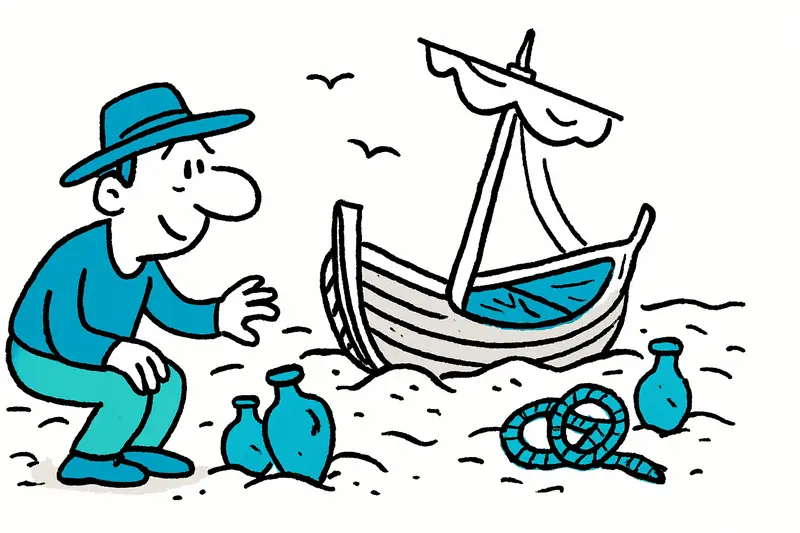
Raised from the Sand: A Late Antique Merchant Ship Tells of the Sea off Can Pastilla
A 1,700-year-old Roman merchant ship was raised off Can Pastilla. Finds such as sail fragments and amphorae provide rare...
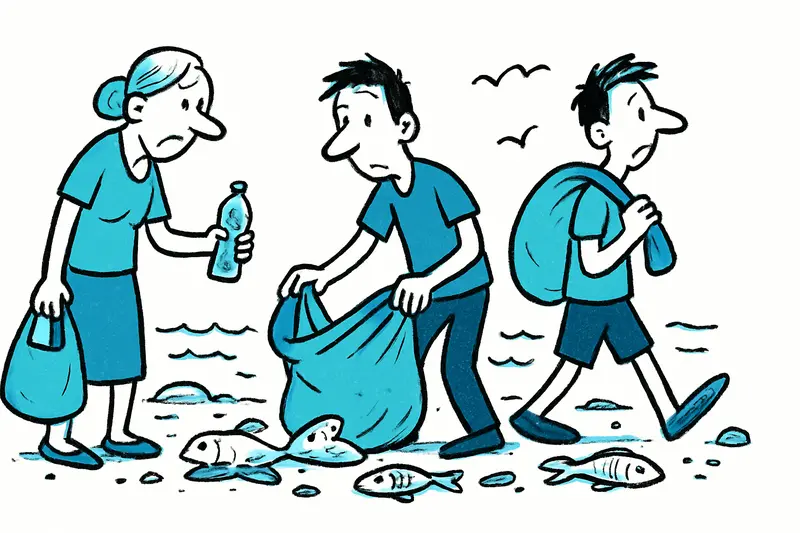
After the Storm: Why Many Fish Died at Riuet de s'Illot — and What's Still Missing
After the severe storm, numerous dead fish were found in the Riuet de s'Illot wetland. Who is affected, why it may have ...
Fire in Can Picafort: Family Rescued at the Last Minute – a Safety Check for the Promenade
A fire in a sports shop on the Can Picafort seafront forced the evacuation of a mother with four children. How safe are ...
Nine-year-old rescued after cliff fall at Cala Murada — How safe are Mallorca's coastal paths?
A boy fell roughly five meters down the rocks near Cala Murada. The dusk rescue was elaborate; a helper also had to be r...
More to explore
Discover more interesting content

Boat Tour with BBQ along Es Trenc Beach
Private transfer from Mallorca Airport (PMI) to Pollensa
