
Llubí: Why are dogs suffering at the cemetery — and who actually intervenes?
Llubí: Why are dogs suffering at the cemetery — and who actually intervenes?
Residents in Llubí report dogs being kept in a small shed — apparently for years. Seprona received complaints and the municipality speaks of a fine. The question remains: is that enough to protect the animals?
Llubí: Why are dogs suffering at the cemetery — and who actually intervenes?
Key question: Is a fine enough when animals are allegedly kept in poor conditions for years?
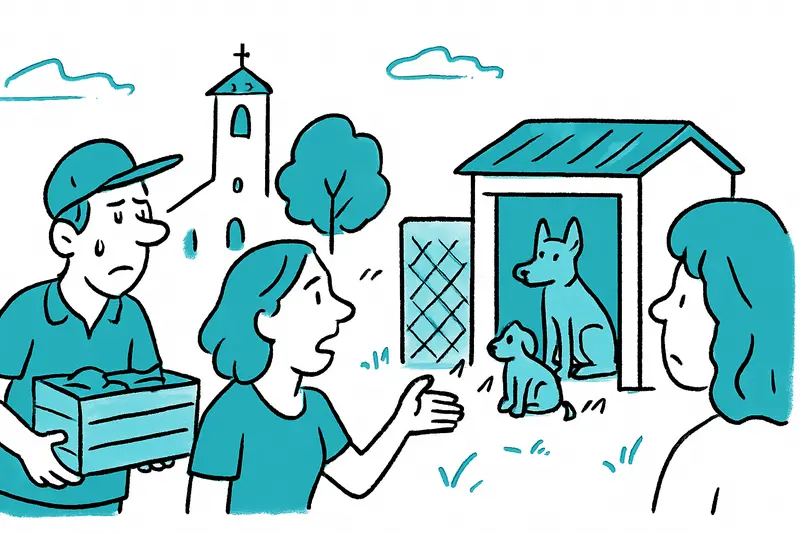
On a hot morning, when cicadas buzz loudly over the olive groves and the bells from the cemetery near Llubí ring softly, neighbors look at a small plot that has been the subject of conversation for years. Dogs are said to live there in a cramped tool shed, one of them a German Shepherd, along with puppies. Residents say they have alerted the Guardia Civil (Seprona) several times — initial reports date back to 2020, and the most recent complaints were filed in early 2026 and again in June of this year.
The description of the conditions is stark: animals kept in confined spaces appeared apathetic during heat spells; excrement is said to mix with food, dogs were tethered, and adequate ventilation was lacking. Neighbors speak of the smell, of a picture that cannot be ignored. Seprona has reportedly visited the yard several times. Because subsequent measures are a matter for the administration, complaints were also directed to the town hall, Llubí sets limits — and raises questions: Three animals per apartment, neutering for outdoor cats.
The mayor of the municipality reported that an administrative procedure was initiated in May, which ended with a fine of around 2,000 euros and an order to adapt the accommodation. The local police tried to contact the owner and repeatedly inspected the property without meeting her. After another statement from the nature protection authority, a further inspection was announced.
Critical analysis: A fine does not automatically stop the problem. A one-off sanction and an administrative act sound like business concluded in official language — but who checks the implementation? If complaints were received over years, this suggests a recurring failure in control or insufficient enforcement powers, a concern echoed in reporting on other oversight lapses such as Palma: 27 hunting dogs dead in cargo hold — why inspections are failing. Especially during heat waves, when animals can quickly dehydrate or suffer circulatory problems, short-term intervention rights are necessary. It also remains unclear whether puppies and adult animals received medical care or whether there was monitoring after the sanction.
What is missing in the public debate: transparency. People in Llubí know about visits by the nature protection officers, but not what consequences the inspections had. There is a lack of easily accessible information about the requirements for species-appropriate housing, what control deadlines look like, and which authorities permanently bear responsibility if necessary. Prevention is hardly discussed either: why does a situation escalate over years? Do neighbors and the administration have support to pursue alternative accommodations? And not least: how are owners handled when they are difficult to reach?
Everyday scene from Llubí: A vendor walks his boxes across the plaza, his body glistening with sweat; on the phone a woman speaks quietly about the dogs, she looks up toward Calle del Cementiri and gestures with her hand. The neighborhood is small and information spreads quickly. Some draw the curtains, others secretly leave water at the property boundary. This is not only a legal matter; it is a community issue — one discussed in the street, next to the baker and the watchmaker.
Concrete solutions that could have an immediate effect: 1. Make follow-up inspections mandatory: after a sanction there must be a deadline for implementation and a scheduled, documented re-inspection — not just a note in the files. 2. Allow temporary seizures: in cases of acute danger animals should be temporarily taken into municipal custody or cared for by animal welfare organizations until the Pollença case or a court decision is reached. 3. Mobile veterinary checks after heat warnings: on hot days municipalities should cooperate with veterinarians to quickly examine particularly vulnerable animals. 4. Transparency requirement for inspection results: without naming sensitive data, municipalities should publish that measures were taken and what was checked. 5. Simplify and activate reporting channels: local reporting by phone or digitally, with clear responsibilities between Seprona and the town hall, helps process cases faster. 6. Consider social support offers: some cases result from owner overload or illness; support services can be preventive.
Legally, much depends on the interplay between the nature protection police and municipal administration. Seprona documents and can file complaints; the municipality has instruments for administrative fines and measures to remedy inadequate keeping conditions. If these cogs do not mesh, animals remain at risk in the meantime. So it is not just about symbolic penalties or collecting fines — it is about a controllable, traceable chain of measures.
Concluding takeaway: A fine is a step, but not a safety net. Those who take animal welfare seriously must enforce follow-up inspections, enable acute seizures, and better inform the public. In Llubí people and animals live close together; the problem cannot be hidden behind closed farm gates. If the town hall, the nature protection service and the neighborhood take clear, coordinated steps, such cases can be resolved faster and more humanely in future. If not, the question remains: who watches over the animals while the heat comes and the clock ticks?
Frequently asked questions
What’s the best time of year to visit Mallorca for sunny weather and beach days?
Is Mallorca swim-friendly year-round, or is swimming mainly a summer activity?
What should I pack for a Mallorca trip in spring or autumn?
How can I get around Mallorca without renting a car?
Which towns or areas in Mallorca are worth visiting for scenery and culture?
Is Mallorca suitable for a family holiday?
How does Mallorca's weather vary by season?
Are there boat trips or water activities to consider in Mallorca?
Similar News
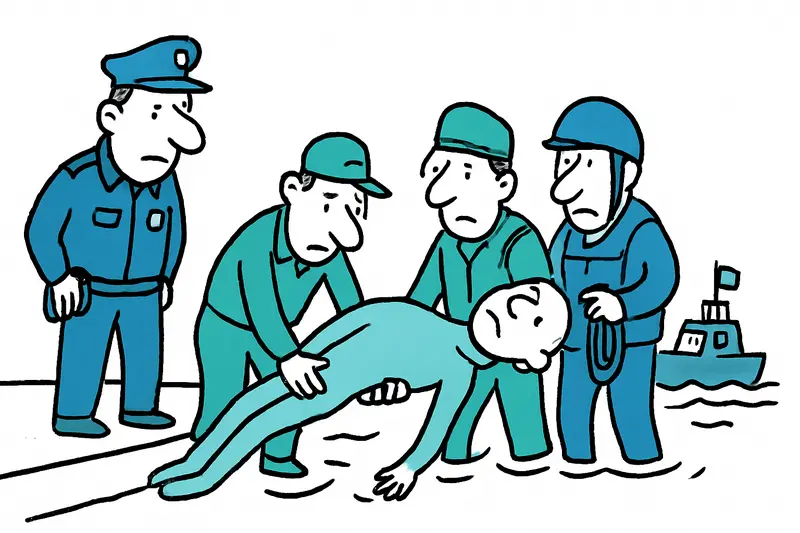
Body in the Basin of Port Adriano: Who Protects People During Crossings?
In the morning, just before noon: employees of a luxury marina discovered a floating body in the basin of Port Adriano. ...

Raised from the Sand: A Late Antique Merchant Ship Tells of the Sea off Can Pastilla
A 1,700-year-old Roman merchant ship was raised off Can Pastilla. Finds such as sail fragments and amphorae provide rare...
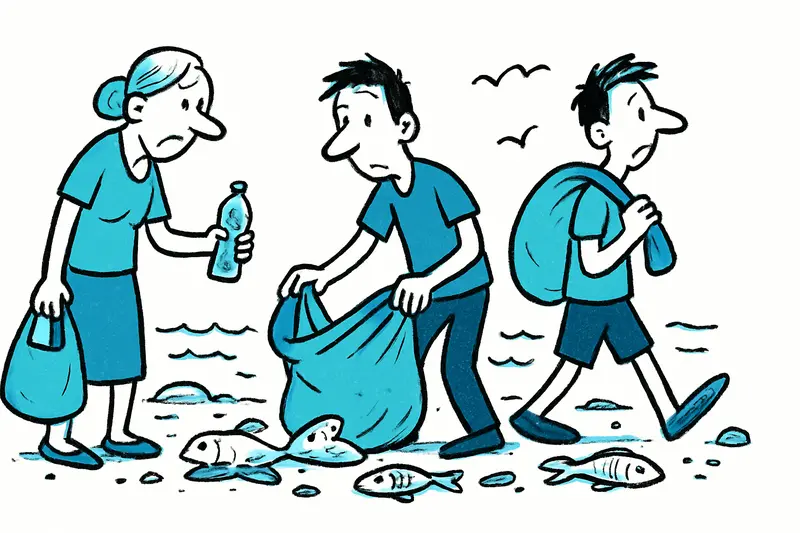
After the Storm: Why Many Fish Died at Riuet de s'Illot — and What's Still Missing
After the severe storm, numerous dead fish were found in the Riuet de s'Illot wetland. Who is affected, why it may have ...
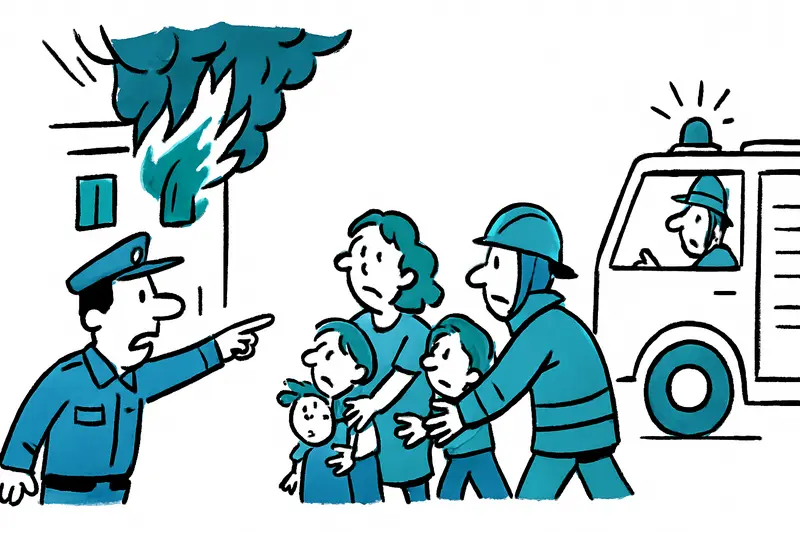
Fire in Can Picafort: Family Rescued at the Last Minute – a Safety Check for the Promenade
A fire in a sports shop on the Can Picafort seafront forced the evacuation of a mother with four children. How safe are ...

Nine-year-old rescued after cliff fall at Cala Murada — How safe are Mallorca's coastal paths?
A boy fell roughly five meters down the rocks near Cala Murada. The dusk rescue was elaborate; a helper also had to be r...
More to explore
Discover more interesting content

Boat Tour with BBQ along Es Trenc Beach

Private transfer from Mallorca Airport (PMI) to Pollensa
