
Pere Garau under the Heat: When Lack of Shade Becomes a Danger
Pere Garau under the Heat: When Lack of Shade Becomes a Danger
Residents measure almost 49.2 °C on the treeless streets of Pere Garau and hold the city administration responsible for removed trees. A reality check: what do the temperatures say, what is missing in the debate — and which short- and long-term measures could help?
Pere Garau under the Heat: When Lack of Shade Becomes a Danger
Leading question: How could a densely populated neighborhood like Pere Garau become a heat island so quickly — and what responsibility does the city administration bear?
Critical analysis
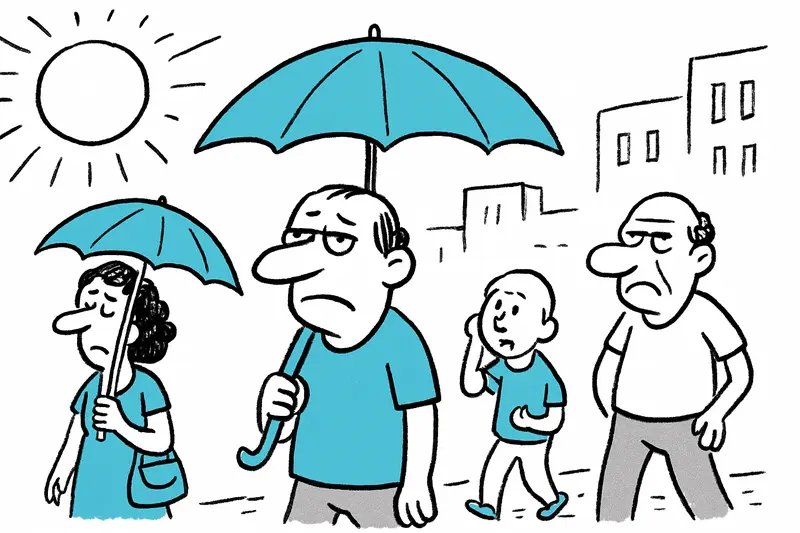
On a hot Tuesday afternoon, neighbours carried parasols along stretches of Carrer de Torcuato Luca de Tena where trees had previously stood. On-site measurements showed temperatures of nearly 49.2 °C in the unshaded areas — values that many of us rarely see on a thermometer and that echo broader reporting such as When Palma Is Sweating by Mid-Morning: Heat Alert, Risks and What's Missing Now. Such measurements are more than a headline: they indicate an urban problem that can quickly become a health burden in times of frequent heat extremes.
Those affected blame two things: first, the felling of mature trees in recent months; second, the absence of immediate replanting. Instead of preparing soil openings and planting young trees, residents report that some holes were filled with concrete. This not only reduces shade but also decreases water infiltration and increases sealed surface area — factors that drive local temperatures up, a concern highlighted in reporting like Where is my tree? Pere Garau marks the gaps in urban greenery.
What is missing in the public debate
Public discourse often addresses heat waves in broad terms, but three points remain underexposed: first, the local responsibility for the microclimate in densely built neighbourhoods. Second, the vulnerability of certain groups — older people, children, and people with chronic illnesses — who suffer more from higher street temperatures in everyday life. Third, the decision-making processes within the city administration: why were trees removed, what criteria applied, and are there binding replacement planting obligations or deadlines?
Everyday scene from Pere Garau
Imagine Carrer de Torcuato Luca de Tena at midday: delivery vans hum by, children leaving a school shrug off their jackets and search in vain for shade, older people wait at a bus stop on paved ground, the air smells of hot asphalt and olive oil frying from the nearby bakery. In the midst of this scene, residents open colourful parasols. Small gestures, great necessity.
Concrete solutions
Short-term measures and long-term planning are both needed — and both are possible.
Quickly achievable: Mobile shade sails over schools and bus stops, additional drinking fountains at busy spots, temporary planting containers and “shade islands” with fast-growing but suitable trees, regular temperature checks at critical points and prioritisation of routes for vulnerable groups.
Medium term: Replacement plantings under clear rules: set planting quotas, selection of heat- and drought-resistant native species, permeable paving instead of concrete fillings and watering plans for the first four years. A publicly accessible tree register would create transparency: who was removed, why and where replacements will be planted?
Long term: An integrated urban greening concept for Palma's densely populated districts with green corridors, green roofs, street tree statutes and a binding deadline for replacement plantings. Cooperation with neighbourhood initiatives, schools and volunteers can facilitate maintenance and acceptance. Technical additions: targeted de-paving, rainwater management for irrigation and regular heat maps, for example supported by warnings from AEMET, to prioritise resources, as those responding to recent peaks like Heatwave reaches 42 °C: How Mallorca should cope with the new temperature peak.
Why this is realistic
Trees cool through shade and evapotranspiration; denser greenery measurably reduces the perceived temperature on hot days. Small interventions — a drinking fountain, a row of new trees, temporary shade sails — cost far less than the health-related follow-up costs caused by heat stress. Many measures also have social benefits: seating under trees creates pleasant public spaces and neighbourhood projects strengthen local cohesion.
Pointed conclusion
The measurement results from Pere Garau are not a curiosity, they are a warning signal. The city administration has a duty to explain transparently why trees were removed and when replacements will occur. At the same time, immediate protection measures for the most vulnerable in the neighborhood are needed. Those who shape Palma's cityscape are also making decisions about the livability of its streets. Those who cause damage must, at the latest now, pay the price: with shade, water and real, permanent green spaces.
Frequently asked questions
What causes heat islands in Pere Garau and similar Mallorca neighborhoods?
What plan can Palma use to lower heat risk in its dense neighborhoods?
What happened to trees and shade in Pere Garau?
Who decides the microclimate matters in Palma and how should this be explained?
How do shade and greenery affect temperatures on hot days in Mallorca?
What practical steps can residents take to stay cooler during Mallorca heat?
Why would Palma benefit from a publicly accessible tree register?
Why is addressing heat in Palma important for public health and social cohesion?
Similar News
Nine-year-old rescued after cliff fall at Cala Murada — How safe are Mallorca's coastal paths?
A boy fell roughly five meters down the rocks near Cala Murada. The dusk rescue was elaborate; a helper also had to be r...
How safe are tourists in the luxury marinas? After arrests: a reality check
The Guardia Civil arrested two men in Calvià who are suspected of stealing luxury watches in Port d'Andratx and Puerto P...
Palma Chases Wealthy US Tourists — The Key Question: Who Should the City Actually Serve?
The city is investing more than €200,000 to attract high-paying visitors in several US cities. A good idea — but what is...
Enough swimming: Why Port de Pollenca is louder than the sea
More than 200 people formed a human chain in Port de Pollenca — not only as a protest but as a wake-up call. Guiding que...
Mysterious disappearance in Alcúdia: Where is 24-year-old Lisa B.?
Since August 3 there has been no trace of 24-year-old German Lisa B. The family has traveled to Mallorca and urgently re...
More to explore
Discover more interesting content

Boat Tour with BBQ along Es Trenc Beach
Private transfer from Mallorca Airport (PMI) to Pollensa
