
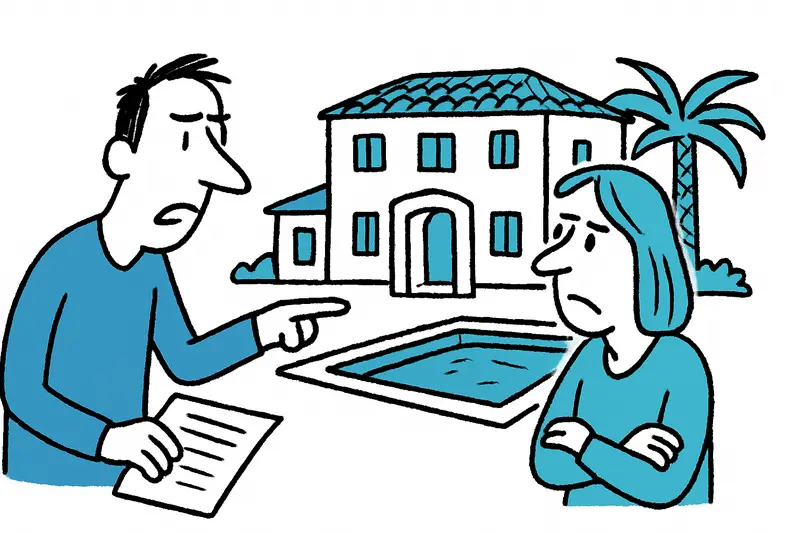
When the Villa Becomes Too Big: What the Possible Sale of Britt Hagedorn's Estate Reveals About Mallorca
When the Villa Becomes Too Big: What the Possible Sale of Britt Hagedorn's Estate Reveals About Mallorca
A prominent family is considering parting with an 800 sqm house in Bunyola. Why this raises island-wide questions about land scarcity, second-home pressure and the everyday practicality of large villas.
When the Villa Becomes Too Big: What the Possible Sale of Britt Hagedorn's Estate Reveals About Mallorca
Big houses, little space — a critical inventory between the country road, plane-tree shade and pools
On the edge of Bunyola, where the Ma-10 winds and pilgrims and trucks share the same asphalt in the morning, stands a modern estate whose proportions no longer quite fit an island that long since wrestles with space questions. Around 839 square meters of living space, five bedrooms, several bathrooms, a guest house, pool, wine cellar and a small ground-floor studio: facts that impress on paper — and raise questions in the debate about housing on Mallorca.
Key question: What does it mean for Mallorca when prominent owners classify houses of this size as "too big" and consider a sale? The answer is not just an anecdote about a well-known presenter, her husband as a project developer and a three- to four-person family with teenagers and a dog. It hits at the interplay of demand, planning and everyday reality on the island.
Briefly analysed: Large villas, as discussed in When villas become a small village: Camp de Mar and Son Vida among Spain's luxury addresses, often arise on parcels formerly used for agriculture. In this case a once-sparse field was transformed into an extensive residential complex with roughly 3,125 square meters of plot area. Such conversions change local structures: fewer fields, more private plots, larger sealed surfaces — and often greater demands on infrastructure, water and energy.
There is also the social dimension. If a house already becomes "too large" for a family with children and a dog — a situation explored in When Space Becomes a Luxury: Why a Family Left Mallorca — it is not only about square meters. Teenagers move out, work rhythms change, and public services like schools and bus connections are organized differently than in cities. A single house with its own studio can combine work and living, but it rarely creates additional rental units or affordable housing for local employees, craftsmen or young families.
What is often missing in public discourse is the concrete link between individual luxury properties and municipal planning practice. Conversations often revolve around buzzwords — Part-time Villages: How Second Homes Are Hollowing Out Mallorca's Communities — without addressing how development concepts, land reclassifications and expert reports actually take place on the ground. The question of how often plots are turned into private oases instead of being developed into small-scale, community-oriented solutions also remains underexposed.
An everyday scene from Bunyola helps to understand this better: late in the morning the seller sits at the vegetable stall opposite, the square fills with the smell of freshly brewed coffee, next to it a delivery van unloading cement and sacks of tiles. The exchange is pragmatic: parents talk about school routes, older neighbors about rising land prices, the young contractor about contracts. Luxury properties such as Villa Solitaire in Son Vida: Cinema Under the Starry Sky — Who Pays the Price of Luxury? are not an abstract topic here; they directly affect daily realities — noise, traffic, job opportunities.
Concrete approaches that go beyond small talk: first, more transparency in land reclassifications and publishable development plans at the local level. That creates oversight and prevents surprising large projects on formerly agricultural land. Second, incentive programs that encourage owners to split large estates into multiple dwellings or to offer parts as permanent rental apartments. Third, tax incentives for nonprofit uses — for example converting guest houses into supervised accommodation for tourism staff or into long-term rental units.
Additionally: a mandatory registry for holiday rentals and second homes, linked to local contributions that fund infrastructure and social projects. And not least: neighborhood agreements that require new large developments to make binding contributions to local development — from the school bus to a small workshop shed for craftsmen.
Conclusion: The possible sale of such a large villa is more than celebrity gossip. It is a small mirror for larger questions. On Mallorca, private wishes meet limited space and public interests. Those who build or sell here should consider the local fabric — not as bureaucratic coercion, but as an opportunity to make everyday island life more reliable for everyone. And for Bunyola this means concretely: instead of only counting square meters, seek compromises that make village life tangible again and relate the big house to the community.
Afterword: On a walk through the town center the eye lingers on the estate's wall — palms, a clean pool, occasionally a visitor's car. Nice, for sure. But whether such a house is the answer to the island's housing questions remains the open question we should ask when plots are newly allocated.
Frequently asked questions
What does it mean for Mallorca when a large villa is labeled as 'too big' for the island?
How can land reclassifications affect housing options and local communities on Mallorca?
Are there programs in Mallorca to turn big estates into multiple homes or long-term rentals?
Why is transparency in development plans important for Mallorca towns?
What does the situation in Bunyola reveal about luxury homes and everyday island life?
Could a large Mallorca villa sale influence local services such as schools and transport?
What strategies help Mallorca balance private luxury with community needs?
What practical steps can Mallorca villages take when new plots are allocated?
Similar News
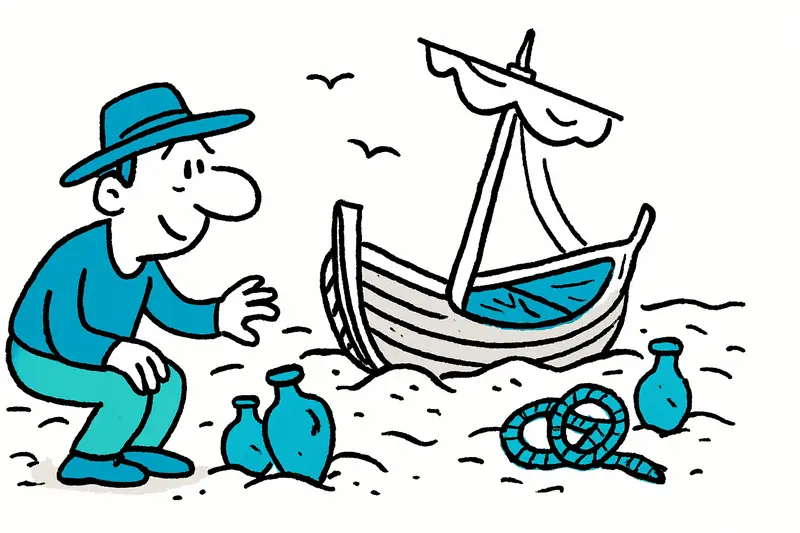
Raised from the Sand: A Late Antique Merchant Ship Tells of the Sea off Can Pastilla
A 1,700-year-old Roman merchant ship was raised off Can Pastilla. Finds such as sail fragments and amphorae provide rare...
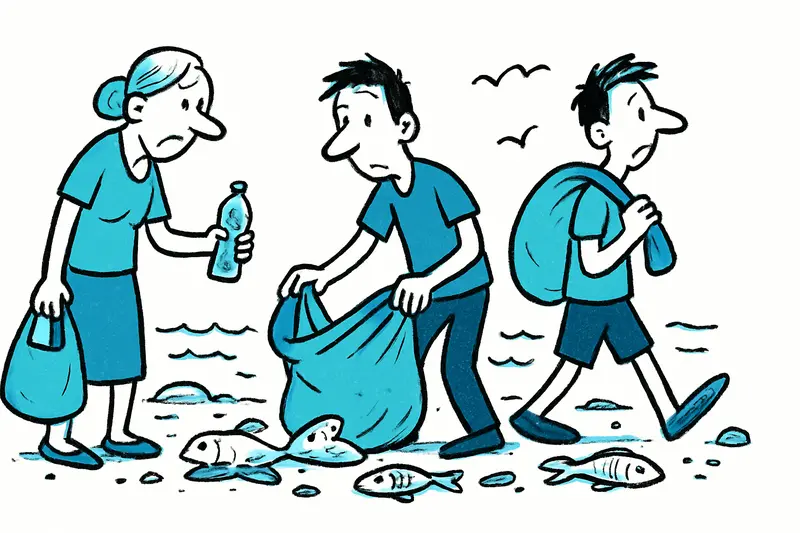
After the Storm: Why Many Fish Died at Riuet de s'Illot — and What's Still Missing
After the severe storm, numerous dead fish were found in the Riuet de s'Illot wetland. Who is affected, why it may have ...
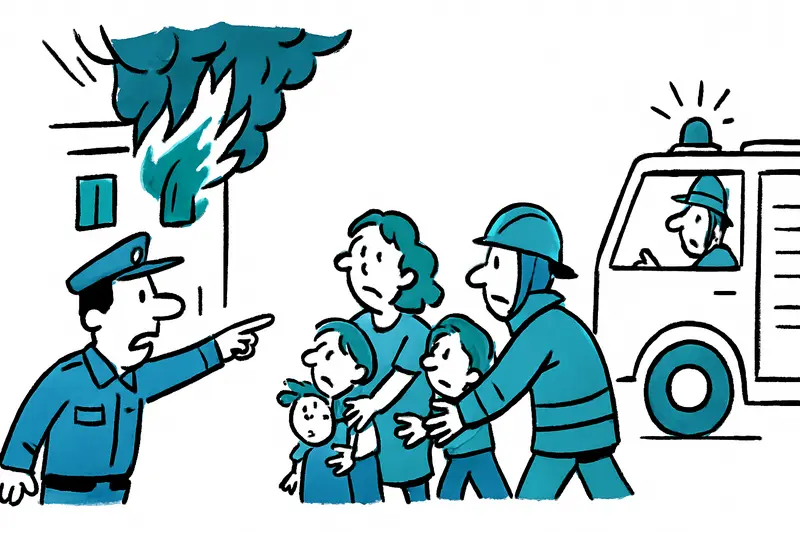
Fire in Can Picafort: Family Rescued at the Last Minute – a Safety Check for the Promenade
A fire in a sports shop on the Can Picafort seafront forced the evacuation of a mother with four children. How safe are ...
Nine-year-old rescued after cliff fall at Cala Murada — How safe are Mallorca's coastal paths?
A boy fell roughly five meters down the rocks near Cala Murada. The dusk rescue was elaborate; a helper also had to be r...

How safe are tourists in the luxury marinas? After arrests: a reality check
The Guardia Civil arrested two men in Calvià who are suspected of stealing luxury watches in Port d'Andratx and Puerto P...
More to explore
Discover more interesting content

Boat Tour with BBQ along Es Trenc Beach

Private transfer from Mallorca Airport (PMI) to Pollensa
