
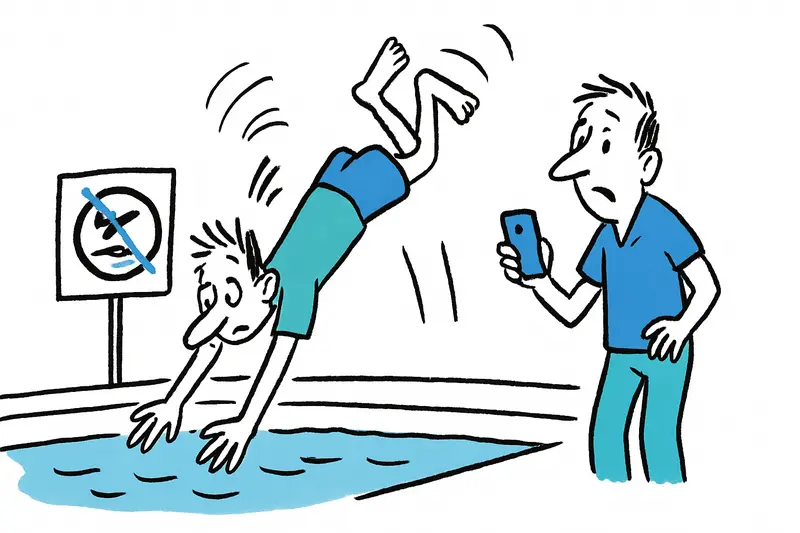
Head-first dive into 60 cm of water: What the Ballermann accident reveals about responsibility, prevention and social media
Head-first dive into 60 cm of water: What the Ballermann accident reveals about responsibility, prevention and social media
A 19-year-old footballer dives into a hotel pool only about 60 cm deep and suffers fractures to the first and seventh cervical vertebrae. A reality check: who is responsible, what protection is missing and what lessons does Mallorca draw from this?
Head-first dive into 60 cm of water: What the Ballermann accident reveals about responsibility, prevention and social media
Guiding question: Why does a harmless jump end in a clinic — and what must change in Mallorca to make such incidents less frequent?
A young man, a hotel complex on Playa de Palma and a moment that turns life upside down. The 19-year-old footballer Max Dettmann dived into a pool area of the Playa Golf hotel at Ballermann, which, according to current information, was only around 60 cm deep. On impact with the pool floor he suffered severe injuries to his cervical spine: fractures to the first and seventh cervical vertebrae. Surgically, the spine was stabilized and a so-called halo fixator is keeping his head still. He is responsive, can move his limbs and documents parts of his hospital routine on social media.
In short: the result of those seconds are months of limitations, doctor appointments and an uncertain sporting future. But beyond the fate of the individual, a broader question arises: how safe are public and semi-public pools for guests, especially in hotspots where young people party and overestimate their abilities?
Critical analysis: the problem has several levels. First: pool design and signage. An area that offers less than knee-to-chest depth must be clearly marked as "no diving." Depth markings on the pool edge are not a nice extra, they are information that can save lives. Second: staff and supervision. Not every small hotel has trained lifeguards around the clock. In an acute cervical spine injury every minute until correct immobilization and professional transport is crucial. Third: guest behaviour. Young holidaymakers often underestimate the danger — the mix of alcohol, heat and bravado is a known risk factor. A case in point is Critical Bathing Incident at Arenal: Call for Better Protective Measures.
What is often missing in public debate: the chain of responsibility. It is not enough to say "the guest acted wrongly." Operators, tour operators, event agencies and local authorities share parts of the responsibility. Legal minimum standards for depth marking, regular safety checks and mandatory first-aid training for night and pool staff are often lacking in practice or applied inconsistently. This was also a theme after Fall at Son Moix: How could a fan fall seven meters? Initial relief — many questions remain.
An everyday scene I see on site frequently: at midday, when towels mark the loungers, groups are drinking beer by the pool, music plays, someone shoots a short jump video for their smartphone. Nobody shouts "watch out," the staff is busy with towels and waitstaff rounds. That is exactly where the danger begins. Such an evening in the Playa area often ends with sirens, an ambulance, stifling heat and worried relatives at the hospital, as reported in Fall at Ballermann: Why a Morning on Playa de Palma Can Turn into an Accident.
Concrete solutions that Mallorca can implement immediately: clearly visible, multilingual depth markings at the pool edge and pictogram signs reading "No diving." Mandatory pool safety inspections before the season starts, comparable to fire safety checks. Minimum requirements for on-site first responders: a hotel with a pool should at least have one person with lifeguard/first-aid certification during operating hours, a need highlighted by incidents such as Early-Morning Fall at Playa de Palma: German Tourist in Critical Condition. Cooperation with the tourism industry for awareness campaigns in multiple languages — online and on arrival day — can sharpen young guests' attention. Finally: clear information obligations from hoteliers to tour operators so that these safety details are communicated at booking and check-in.
Another point: the role of social media. That the injured person shares parts of his hospital life and receives support from around the world shows a double effect: solidarity and transparency on the one hand, imitation effects and trivialization on the other. Authorities and hotels should not ignore digital prevention: short clips with real rescue instructions, clear "do not dive" messages that can go viral can help.
Legally, the matter falls into several categories: liability of the host, possible claims against tour operators, insurance questions regarding repatriation. This is complex and will be clarified individually. A practical tip for holidaymakers: check travel and accident insurance, follow the accommodation's safety rules on site and ask staff if in doubt — better five seconds of asking than months of rehabilitation.
Conclusion: The Ballermann accident is not a single "unavoidable tragedy," but a warning sign. Mallorca lives from tourism; that also means responsibility for guest safety. Simple measures — more and better signage, mandatory training for pool staff, regular technical inspections and targeted prevention campaigns — would greatly reduce the risk of similar cases. As long as the necessary attention is only sporadic, the likelihood of serious accidents remains high. Practical, effective protection does not cost the earth, but it can save lives and mobility. And that should be worth something to the island.
Frequently asked questions
When is the best time to visit Mallorca for beach days and swimming?
How can I get around Mallorca without renting a car?
What should I pack for a Mallorca trip?
What are the must-see natural spots on the island?
Are there family-friendly beaches in Mallorca?
What should I know about Mallorca’s weather and temperature ranges?
Is it safe to swim in Mallorca, and what safety tips should I follow?
What local foods should I try in Mallorca?
Similar News
Why Thorsten Legat's Involvement at Germania Mallorca Ended So Quickly – A Reality Check
Six matches, high expectations: We ask why co-founder Thorsten Legat's project at FC Germania Mallorca failed after such...
Palma expects protests: How prepared is the city really?
Protests at the Plaça d'Espanya are announced for Friday. Police, Guardia Civil and the intelligence service have increa...
Coaching Explosion at FC Germania Mallorca: What Really Lies Behind Legat's Departure
After just six matches Thorsten Legat is gone. Was it only the poor record — or does the problem run deeper in structure...

Half a Million Passengers: Saarbrücken–Palma Remains a Heartfelt Connection
Since 2017 Eurowings has regularly connected Saarbrücken with Palma: on Friday the 500,000th passenger from Mallorca arr...
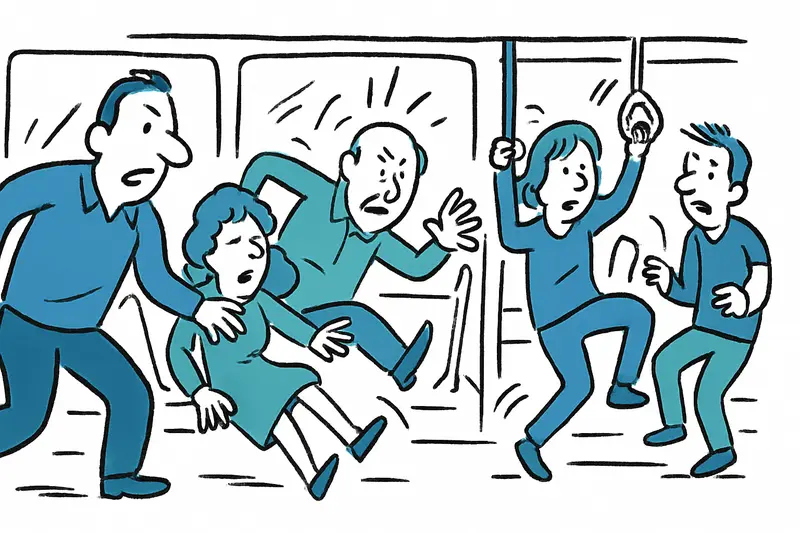
Hard braking in Palma: Eight lightly injured after evasive maneuver – time for better onboard safety?
A line 8 bus swerved on Avenida Comte de Sallent. Eight passengers were lightly injured; five were taken to Clinica Rotg...
More to explore
Discover more interesting content

Can Cap de Bou

Townhouse Lleo 72
