
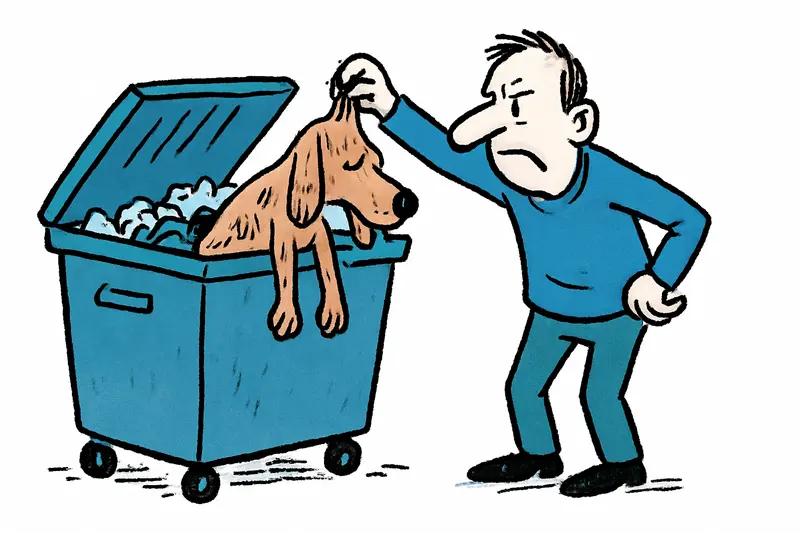
Female dog in a trash container: What the Pollença case says about our relationship with animals
Female dog in a trash container: What the Pollença case says about our relationship with animals
A court sentenced a man to six months in prison and a fine after his sick setter was found in a trash container in Pollença. Why this case is more than an individual sentence, asks our local editor.
Female dog in a trash container: What the Pollença case says about our relationship with animals
Six months in prison, €1,800 fine — is that enough to send a signal?
Main question: How can it happen that a sick dog ends up in a trash container, and what conclusions must our community draw?
The judge handed down a verdict: a 41-year-old man from Mallorca was convicted of animal cruelty and abandonment. The sentence is six months in prison and a fine of €1,800. The rescued setter, called "Help", suffered from leishmaniasis and was found by waste collection workers in a container in Pollença. Her condition was dramatic: emaciated, one eye blind, the other severely impaired, bald patches, open wounds and visible ribs.
The court concluded that the owner had at one time taken the animal to a veterinarian, but could not prove that treatment or necessary follow-up checks had been continued. In court the man said he had placed the dog in a trash bag because he believed she was dead, and he emphasized that he loved her. Witness statements contradicted each other: relatives describe him as an animal lover, while the court assessed the concrete actions.
Critical analysis: Legally, the conviction is clearly a reaction to a serious act. In everyday life, however, many questions remain open. The punishment leaves intact much of what actually drives the problem: a lack of follow-up checks for pets with illnesses, financial barriers to longer treatments, a missing routine for reporting neglected animals and an awareness that quickly degrades animals into things one can throw away, as highlighted by Palma: 27 hunting dogs dead in cargo hold — why inspections are failing.
What is often missing from public discourse are the structural gaps. We talk about guilt and punishment, but rarely about prevention. How can a chronically ill animal apparently be kept in poor condition for a long time before neighbors, authorities or veterinarians are alerted? Why do some places lack simple reporting chains that intervene early, as in Manacor: Son in Custody, Mother in a Decaying Apartment — A Case That Raises Questions?
An everyday scene from Pollença: early in the morning, when the garbage trucks rattle along the narrow streets of the old town, you hear the clatter of the bins, the seagulls over the harbor and the voices of the men emptying the bags. It is precisely these people who sometimes become the last rescue — they found the dog, alerted the police and brought the animal to a shelter. Such scenes show: help often comes from below, from people who do their job and pay attention, as in Rescue on the Passeig: The Turtle and the Question of Abandoned Pets.
Concrete solutions that are now important:
- Better reporting channels: Municipalities should create clear reporting routes: a phone number, an app or a portal where citizens can easily report neglected animals. Reports must be followed by a quick assessment and, if necessary, an on-site check.
- Mandatory follow-up checks: When a chronic illness is diagnosed in an animal, there should be mandatory controls — for example by local veterinarians in cooperation with the town hall or animal welfare organizations.
- Support for owners: Financial aid or installment plans for necessary long-term therapies can prevent owners from stopping treatment because they fear the cost.
- Education and enforcement: In addition to penalties for severe neglect, information campaigns are needed: how to recognize suffering, when to act, and what services are available?
There is another point that is rarely discussed: identification. Clear tagging and registered contact details make tracing and caring for pets easier. If an animal becomes ill, it should not be able to disappear without consequences.
Concise conclusion: The conviction is necessary. But it is only a reaction to a symptom. If we want such cases not to be repeated, we need more than prison and fines. We need routine, networking and a bit of neighborhood spirit — and the clear message: animals are not things you throw away.
On the streets of Pollença you meet people every day who stroke dogs, old women with food bags for stray cats. It is not an image of a land of bliss, but it is a start. If municipalities, veterinarians and neighbors pull together, the chance increases that the next "Help" will not be found alone in a container.
Frequently asked questions
What happened to the dog found in a trash container in Pollença, Mallorca?
What was the sentence in the Mallorca animal cruelty case from Pollença?
How can pet owners in Mallorca tell when a sick dog needs urgent veterinary help?
What should you do in Mallorca if you suspect an animal is being neglected?
Why do animal cruelty cases in Mallorca often lead to calls for better follow-up care?
What support is available in Mallorca if you cannot afford long-term treatment for a pet?
What does the Pollença case say about animal welfare in Mallorca communities?
How are animals usually identified and traced in Mallorca if they get lost or sick?
Similar News

Rental Car Theft in El Arenal: What This Incident Reveals About Our Gaps
A teenager steals a running rental car in El Arenal, flees on foot, climbs over walls and is caught by the Guardia Civil...

Red Rope in Palma's Library: What Helps Against Selfie Tourism — and What's Missing
Palma's city library cordoned off an area with a red rope to keep selfie tourism away from reading and working activitie...

Fort San Carlos: Museum, Harbor Dispute — and a Conflict That Demands Answers
The military museum at Fort San Carlos sits right on Palma's harbor, with unexpectedly quiet rooms filled with cannons a...
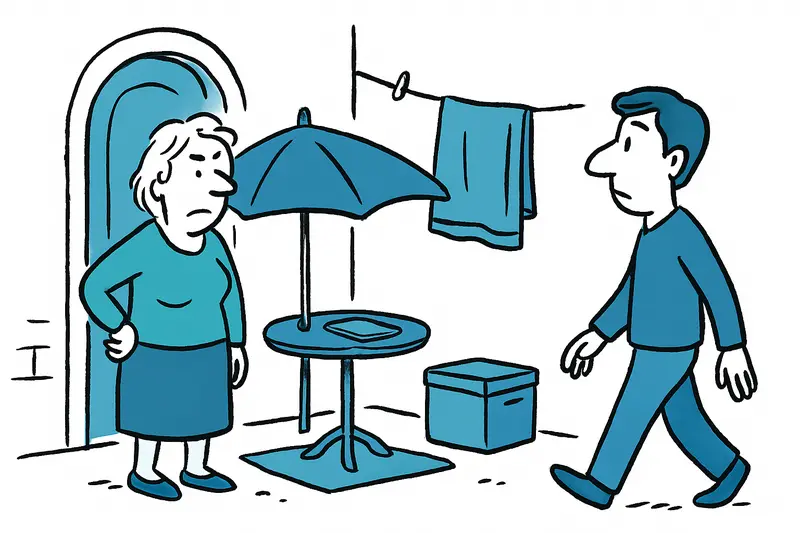
Old Town Under Pressure: When a Doorway Becomes a Sleeping and Shower Place
For months a woman has been living with a parasol, a clothes rack and personal belongings next to the social welfare off...
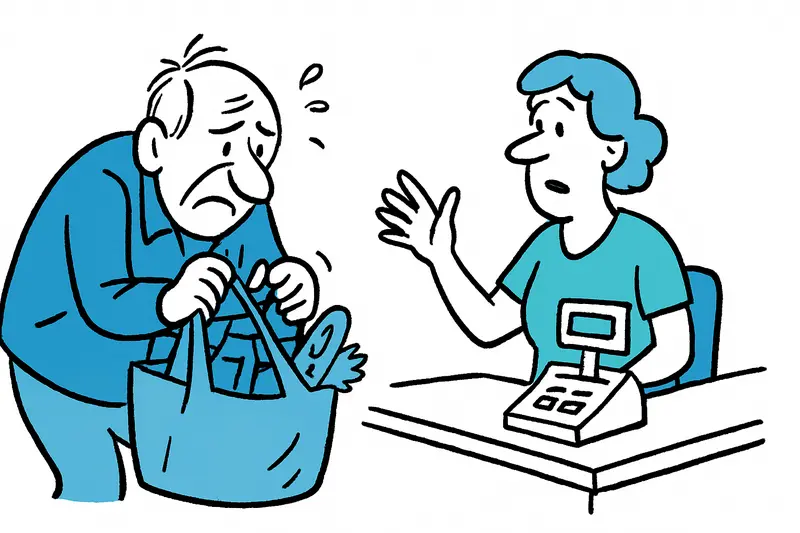
When Shopping Weighs Heavier: Mallorca Demands a Tax Pause on Food and Fuel
Rising prices are putting pressure on households and agriculture. The Balearic Islands are calling for temporary tax rel...
More to explore
Discover more interesting content

Can Cap de Bou

Townhouse Lleo 72
