
Risk of Collapse in Cala Major: Six Venues Temporarily Closed — What Needs to Happen Now
In Cala Major, six venues and a terrace were immediately sealed off after a crack was discovered in a load-bearing beam. The short-term cordon protects people — but the question remains how vulnerable the building fabric in tourist districts really is.
Operation in Cala Major: Six businesses closed — caution instead of risk
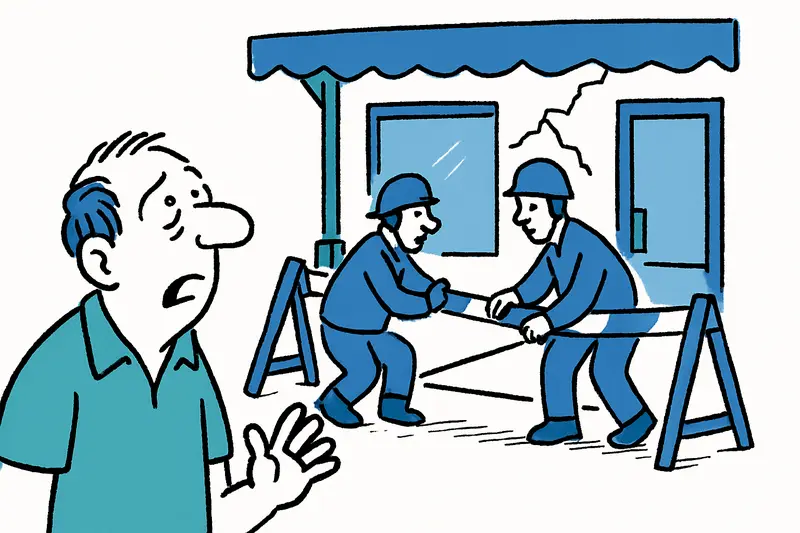
Last night around 8:30 pm Joan Miró Street in Cala Major briefly turned into an incident site: flashing lights, murmured voices, the cracking of support props and the distant roar of the sea. Fire brigade, police and the municipal building authority cordoned off six venues and a terrace after a clear crack was discovered in a load-bearing beam structure, as reported in Acute Danger in Cala Major: Six Shops Cordoned Off — Who Bears Responsibility?. The decision was precautionary but swift and visible — barrier tape fluttered in the warm evening breeze, delivery vans looked for parking spots around the scene, and passers-by stopped to watch.
The key question: an isolated incident or a symptom?
At the centre of attention is not just the single crack but the question: was this a sudden fault — or does the finding point to structural deficiencies? One business owner described how the main beam was visibly damaged; he raised the alarm before anything worse could happen. The fire brigade secured the area temporarily with supports, the building authority ordered the closure and is now arranging thorough structural surveys.
Such incidents do not happen in a vacuum. In tourist areas like Cala Major buildings are often built close together, and many hospitality businesses have added modifications, extensions or terraces over the years — not always with proper permits or regular inspections. Added to this are the strains caused by fluctuating guest numbers in summer, humidity from the nearby sea and wear from outdoor seating and equipment. The question we must ask: do we inspect enough — and at the right times? Similar concerns have been raised in other local cases, for example Collapse at Palma's City Wall: What Needs to Happen Now, which highlighted maintenance and oversight issues.
What does the closure mean for those affected?
The six businesses — mostly small cafés, a kiosk and a bar — face existential worries. Without an expert report they are not allowed to open; revenue disappears and reserves are tight. The owners speak of uncertainty: how fast will the report arrive? Do their insurances cover such cases? Who pays for necessary temporary safety measures or even a rebuild if the beam needs replacing?
In the short term there are practical consequences: parking spaces are blocked, Joan Miró Street was at times reduced to one lane, delivery times shift and tourists must adjust their plans. For customers and residents: keep your distance, respect the cordons and do not cross them out of curiosity — not just to avoid fines, but out of pure caution.
Aspects that are often overlooked
Public debate tends to focus on the immediate measures — sirens, cordons, the experts' visit. Less attention is paid to long-term, structural questions: how up-to-date are the building documents? Is there an easily accessible condition report for owners and tenants? Who carries out proactive inspections in residential and commercial districts where buildings stand close to the sea?
Another blind spot is the insurance situation of many micro-businesses: not all tenants or owners hold policies that cover repair costs or loss of turnover. And even where insurers step in, claims and payments often take longer than the businesses' economic pain threshold.
Concrete opportunities and proposed solutions
From the acute situation one can derive measures that could help in the short and medium term:
1. Accelerated expert reports and priority assessments: The city could set up an expedited procedure for hazardous cases so that decisions take days rather than weeks. Mobile structural engineer teams for tourist zones would allow quick assessments.
2. Transparent building files and condition registers: A publicly accessible register of changes of use, maintenance reports and known damages would give owners, tenants and the administration more planning certainty.
3. Financial bridge support: Short-term aid or low-interest emergency loans for small businesses could help owners bridge the time until insurers pay or repairs are completed.
4. Preventive inspections instead of reactive operations: Regular checks of load-bearing elements in hospitality businesses, especially near the sea, would reduce risks. This could be combined with information campaigns for owners.
5. Communication and neighbourhood networks: Clearer information channels — who informs affected residents, how long closures are expected to last — reduce speculation and help with short-term logistics such as deliveries or rescheduling appointments.
Looking ahead
Engineers and structural experts are expected to deliver their reports in the coming hours and days. Only then will it be clear whether the closure is a short-term measure or whether larger repairs are necessary. For the neighbourhood that means: wait, respect the measures — and perhaps ask louder questions of the authorities and owners about how it came to this.
Last night's scene was typical for Cala Major: the clatter of support props, the smell of fried fish from a closed kitchen, the distant cry of a seagull — and the sober recognition that prevention is easier than repair. If the city and business owners now not only react but steer wisely, this alarm call could become an opportunity to improve safety standards for the coming years. We will follow developments and report as soon as there are new findings.
Frequently asked questions
Why were six venues in Cala Major temporarily closed?
How long will the closures in Cala Major last?
What should visitors do if they pass Joan Miró Street in Cala Major?
Is Cala Major still open for tourism after the safety closure?
What happens to small businesses in Mallorca when a building is closed for safety reasons?
Why are older buildings near the sea in Mallorca more vulnerable to structural problems?
What kind of inspections are usually needed after a crack is found in a building in Mallorca?
Will parking and traffic be affected near the closed area in Cala Major?
Similar News
After Being Admitted to Hospital Again: Heinz Hoenig and the Questions We Should Ask in Mallorca
Long-time Mallorca resident Heinz Hoenig was admitted to hospital again. A clear “what next?” is missing from the covera...
Yellow Alert: Is Mallorca Prepared for the Next Rain Band?
Aemet has issued a yellow alert for the south, southwest and the island's interior. Thunderstorms and heavy rain are for...
Kegel brothers trial postponed: Why Mallorca must wait for a verdict
The trial of 13 German holidaymakers will not begin until May 2028. The long wait raises questions — for victims, defend...
Chaos on Palma's Runway: Why the Summer at the Airport Was So Disrupted
This summer laid bare where Palma airport is faltering: only just over half of departures were on time and seven percent...
Cocaine Offer on Ham Street: Why the Open Trade Should Ring Alarm Bells
In the middle of Pare Bartomeu Salvà a tourist was offered a packet of cocaine as part of a sunglasses deal. A short int...
More to explore
Discover more interesting content

Can Cap de Bou

Townhouse Lleo 72
