
When you can really cancel your Mallorca vacation for free due to heat
When you can really cancel your Mallorca vacation for free due to heat
Heatwaves are no surprise on Mallorca. But heat warnings alone usually do not suffice for free cancellation. A reality check with practical steps for travelers.
When you can really cancel your Mallorca vacation for free due to heat
A reality check for stressed travelers
Leading question: When does extreme heat on Mallorca actually justify a free cancellation or refund? That is the question many people are asking right now as temperatures climb toward forty degrees, as discussed in 40 Degrees This Weekend: Mallorca Faces a Heat Test – What Matters Now.
We are in the middle of the season, the air above Passeig Mallorca shimmers, air conditioners in cafés hum at full speed, and at the Mercat de l'Olivar the vegetable sellers move their crates into the shade in the mornings. Such scenes are part of summer here. Still, that does not automatically mean: cancel your trip and save money.
The Consumer Advice Center Hesse puts it short and clear: an announced heat warning — whether from the German Weather Service or from AEMET in the Balearic Islands — is generally not a free pass for a fee-free cancellation. It is different with an official travel warning from the German Foreign Office; that has stronger legal effect, especially for package holidays, a point outlined in New legal situation for package travelers: What the Wiesbaden ruling means for Mallorca visitors.
Critical analysis: Why this is the case and where the grey areas lie. In package travel law it is not only the temperature display that counts. What matters is whether unavoidable, extraordinary circumstances affect the trip so much that its execution is significantly impeded or endangered. This can include closed attractions, failed infrastructure, large-scale wildfires or a concrete danger to life and limb. Heat itself, however uncomfortable, usually does not fall under that category.
What is often missing in the public discourse is a clear distinction between a weather warning, an organizational impossibility and a genuine danger. Many travelers hear over 40 degrees and automatically expect goodwill. Yet the legal framework and contractual conditions are decisive. Also underexposed is the role of evidence. Temperature reports, official closures or photos of blocked paths can later make the difference.
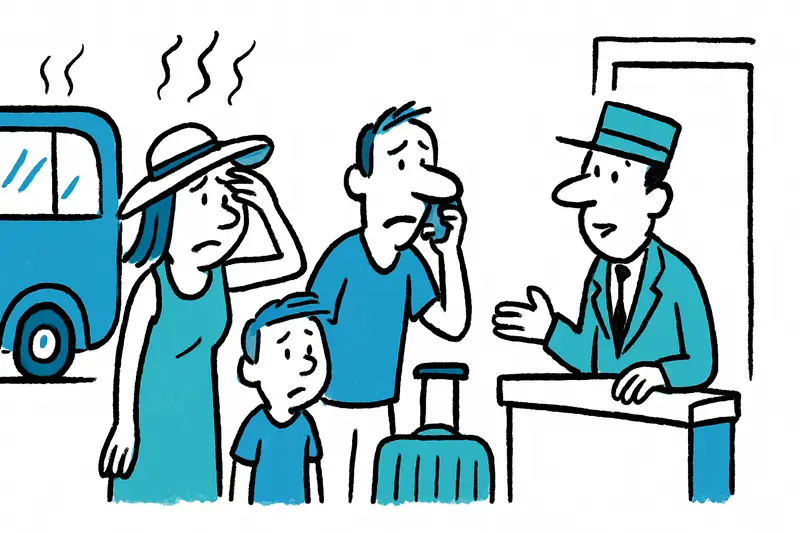
Everyday scene from Mallorca: at Palma's bus station a family is discussing with the tour operator on the phone while the bus sits in traffic because of overcrowded streets and the air conditioning only helps moderately, an image also described in Nearly 40 °C: Mallorca's Daily Life Under Heat Stress — How the Island Can Respond. An older lady pulls a head covering over her head, a hotel porter calmly explains where the cool lounges are. Such moments often decide nerves, not law.
Concrete steps for travelers (checklist): 1) Get informed: monitor AEMET messages and local official announcements on Mallorca, such as Heat alert on Mallorca: How well is the island prepared for infernal heat days?. 2) Document: collect screenshots of warnings, photos of closed attractions or local disruptions. 3) Contact immediately: speak with the tour operator, hotel or airline and ask about rebooking or refund options. 4) Check the contract: package holidays come with special rights — find out whether extraordinary circumstances apply. 5) Clarify insurance: many trip cancellation insurances do not cover mere heat; check the policies carefully. 6) Request goodwill: sometimes rebookings, hotel upgrades or vouchers are possible — have them confirmed in writing.
Especially for single services like flights, hotels or rental cars it depends on the contract terms. Some hotels offer flexible cancellation conditions, others demand rigid fees. And just because a company once cancelled free of charge out of goodwill (as with recent special arrangements by Deutsche Bahn for heat), that does not create a general obligation for other providers.
Events: the situation is practical: if the organizer cancels, you get your money back; if the event takes place despite the heat, you must decide yourself whether to attend. In doubtful cases a look at the terms and conditions and early communication with the organizer helps.
What is missing in local solutions? There are hardly any uniform offers for heat-related rebookings or short-term alternative programs, such as cooler excursion destinations or special hotel offers for sensitive guests. More transparency from organizers and tourism businesses would make decisions easier for travelers.
Concrete proposals that could help: providers should offer clearer cancellation categories for weather-related cases; insurers could develop supplementary cover for extreme weather scenarios; authorities could communicate more bindingly when a trip should be considered unreasonable.
If you are out and about in the heat in Mallorca: have realistic expectations, plan your days around cooler times, use cool indoor spaces like museums or larger shops and ask the hotel for rooms with functioning air conditioning. Documentation remains your best friend if you later seek a refund.
Pithy conclusion: A heat warning alone is rarely a legal joker for free cancellation. If you still do not want to fly or travel, act early, clearly and with documentation — and do not rely solely on weather apps, but on official announcements and contractual rules.
Frequently asked questions
Can extreme heat in Mallorca justify free cancellation on a package holiday?
What counts as extraordinary circumstances for cancelling a trip to Mallorca?
What steps should I take if heat affects my Mallorca travel?
Do hotels or airlines in Mallorca offer flexible cancellations during heatwaves?
What daily planning tips help you cope with Mallorca’s heat when sightseeing?
What evidence should I gather in Mallorca if I want a refund due to heat?
Are weather warnings from AEMET enough to delay or cancel a Mallorca trip?
What should I consider about travel insurance for heat-linked changes in Mallorca?
Similar News
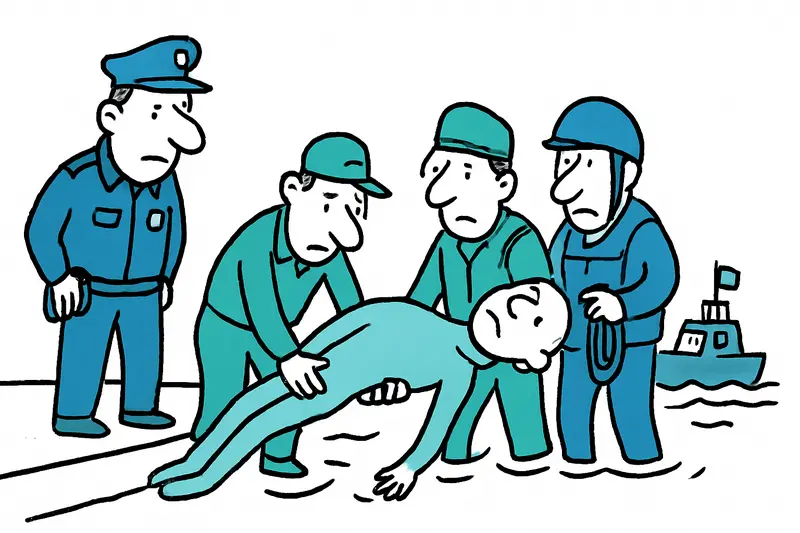
Body in the Basin of Port Adriano: Who Protects People During Crossings?
In the morning, just before noon: employees of a luxury marina discovered a floating body in the basin of Port Adriano. ...
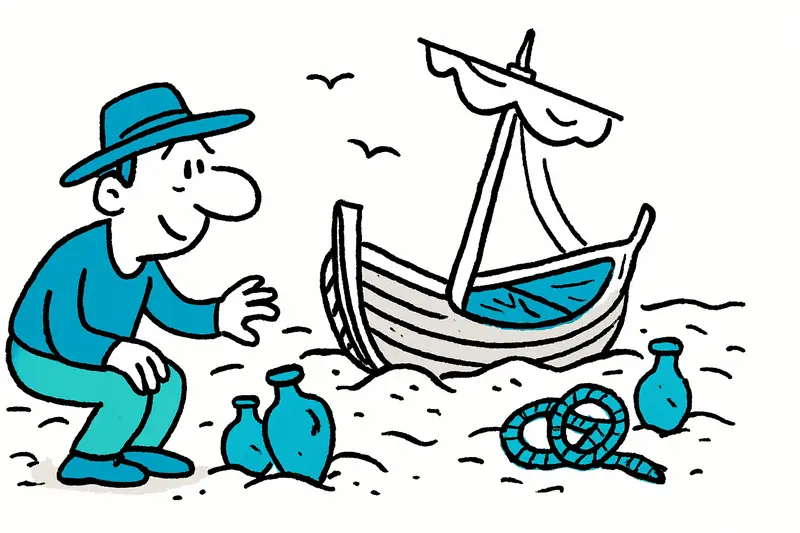
Raised from the Sand: A Late Antique Merchant Ship Tells of the Sea off Can Pastilla
A 1,700-year-old Roman merchant ship was raised off Can Pastilla. Finds such as sail fragments and amphorae provide rare...
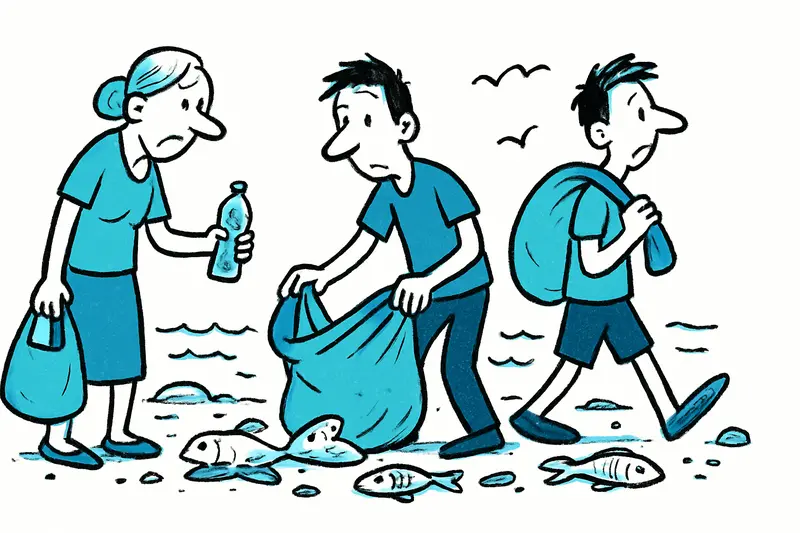
After the Storm: Why Many Fish Died at Riuet de s'Illot — and What's Still Missing
After the severe storm, numerous dead fish were found in the Riuet de s'Illot wetland. Who is affected, why it may have ...
Fire in Can Picafort: Family Rescued at the Last Minute – a Safety Check for the Promenade
A fire in a sports shop on the Can Picafort seafront forced the evacuation of a mother with four children. How safe are ...

Nine-year-old rescued after cliff fall at Cala Murada — How safe are Mallorca's coastal paths?
A boy fell roughly five meters down the rocks near Cala Murada. The dusk rescue was elaborate; a helper also had to be r...
More to explore
Discover more interesting content

Boat Tour with BBQ along Es Trenc Beach
Private transfer from Mallorca Airport (PMI) to Pollensa
