
Palm Sunday with Snow: Mallorca Experiences an Unusual Winter Break
Palm Sunday with Snow: Mallorca Experiences an Unusual Winter Break
Cold air from the north brings snow to the Tramuntana on Palm Sunday, with storm and heavy rain. Aemet reports snowfall from around 800 meters — what does this mean for the island and everyday life?
Palm Sunday with Snow: Mallorca Experiences an Unusual Winter Break
Polar front brings rain, storm and white patches to the Tramuntana — and raises questions about preparedness
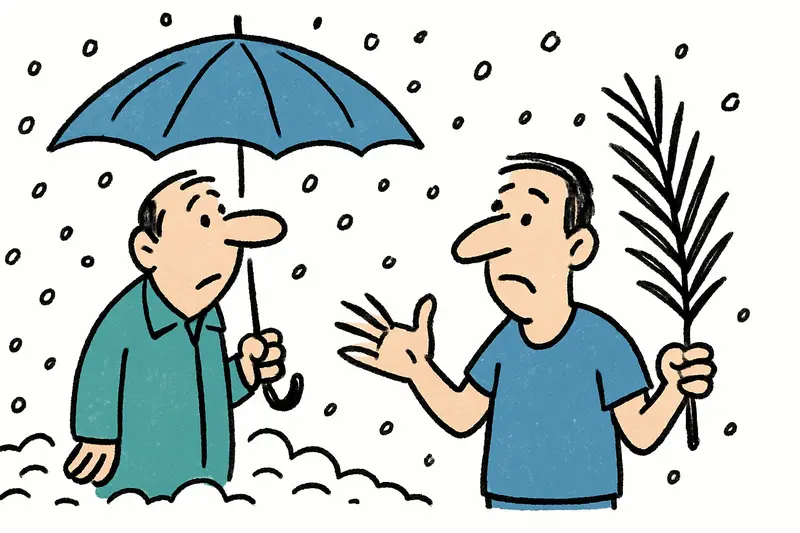
The island, which in March usually smells of spring, was treated to a touch of winter on this Palm Sunday. The national weather agency Aemet reported snowfall from about 800 meters altitude (see Temperature Drop: Short Winter Interlude in the Tramuntana), rainfall amounts in Puerto de Sóller and Escorca of around 31 liters per square meter, as well as strong winds and high seas. In the mountains of the Serra de Tramuntana, paths and rural estates briefly turned into white scenes.
Key question: How well is Mallorca prepared for sudden cold air intrusions — for locals, farmers and visitors? This question is also raised in Cold snap in Mallorca: Is the island really prepared?.
The first observation is simple: the island is unevenly prepared. Aemet warned of an intrusion of polar air masses rising over the Mediterranean, causing unstable conditions. The warning reached authorities and weather apps; nevertheless, in the morning people strolled with umbrellas and puzzled tourists sat in cafés on Passeig Mallorca, while the mountains to the west were already turning white. People living in villages like Escorca took the weather with a pragmatic view: sheep huddling in wind-sheltered cistern areas, and farmers quickly throwing tarpaulins over sensitive plantings.
From a critical perspective, several gaps become apparent. First: communication. Aemet data are available, but messages do not always reach those who need them most — elderly residents in remote valleys, hikers without roaming or rental car drivers who underestimate the mountain passes. Second: infrastructure. The MA-10 and secondary roads in the Tramuntana are narrow; snow, hail and mud make them slippery. Gritting services are usually prepared for winter, but these late-March situations surprise teams that are seasonally understaffed, as examined in Mallorca Prepares for Snow: Is the Tramuntana Ready for Winter Operations?. Third: tourist information. Many holidaymakers travel during Easter; signs in English or German, notices in airport terminals and hotels could have helped to plan for mobility restrictions.
What is often missing from the public discourse: concrete action instructions for everyday situations. Reports state centimeters and liters per square meter, but rarely simple checklists: where to park safely in a village, how to prepare a rental car for mountain driving, which side roads should be avoided in the app? Also underexposed is the role of small municipalities in coordinating emergency services and privately organized neighborhood networks.
A few scenes one could witness on this Palm Sunday: on the Plaça Major a neighbor packs pots into a car in a Mallorcan ceramic apartment, two hikers at the Mirador de ses Barques pull their rain jackets tighter, and along the harbor promenade the wind whistles through stretched awnings. A farmer in Sóller shakes his head, tightens a tarpaulin around an olive sapling and mutters: "Sometimes March turns properly old-fashioned again."
Concrete, practical solutions can be named quickly. Authorities should link Aemet warning levels with clear, language-specific action recommendations: "Avoid routes X and Y", "Residents: have sand or sacks ready", "Tourists: follow hotel information". Mobile gritting services for the short-term securing of critical passages are sensible, as are temporary restrictions for heavy vehicles on mountain roads. Municipal emergency plans must be multilingual and visible in tourist hotspots. In the long term, a review program for roadside drainage helps; many floods start with clogged village gutters.
For everyday travel: anyone going into the mountains now should carry warm clothing, a blanket and water, keep their phone charged and save routes offline. I advise tourists to check rental agreements for insurance details, ask their hotel for information and postpone trips into the Sierra when warnings are in force.
Conclusion: Palm Sunday with snow is a reminder that Mallorca is not just a beach island, but a landscape area with wintry caprices. Aemet provides the data; the challenge is to get this information to the road faster and more effectively. A bit of caution, collective action in the villages and clear, practical guidance for guests would be enough to prevent an unusual weather day from becoming a real emergency.
Frequently asked questions
Can it snow in Mallorca in March or around Palm Sunday?
How cold does Mallorca get during a sudden weather front?
Is it safe to drive in the Tramuntana when Mallorca has snow or heavy rain?
What should tourists in Mallorca do when Aemet issues a weather warning?
How much rain can Mallorca get during a spring storm?
What is the Serra de Tramuntana like in bad weather?
How should farmers in Mallorca protect crops before a sudden cold spell?
Why do weather warnings in Mallorca sometimes feel less effective than they should?
Similar News

Rental Car Theft in El Arenal: What This Incident Reveals About Our Gaps
A teenager steals a running rental car in El Arenal, flees on foot, climbs over walls and is caught by the Guardia Civil...

Red Rope in Palma's Library: What Helps Against Selfie Tourism — and What's Missing
Palma's city library cordoned off an area with a red rope to keep selfie tourism away from reading and working activitie...
Fort San Carlos: Museum, Harbor Dispute — and a Conflict That Demands Answers
The military museum at Fort San Carlos sits right on Palma's harbor, with unexpectedly quiet rooms filled with cannons a...
Old Town Under Pressure: When a Doorway Becomes a Sleeping and Shower Place
For months a woman has been living with a parasol, a clothes rack and personal belongings next to the social welfare off...
When Shopping Weighs Heavier: Mallorca Demands a Tax Pause on Food and Fuel
Rising prices are putting pressure on households and agriculture. The Balearic Islands are calling for temporary tax rel...
More to explore
Discover more interesting content

Can Cap de Bou

Townhouse Lleo 72
