
Drama in Palma: 63-year-old dies after fall in bathroom
Drama in Palma: 63-year-old dies after fall in bathroom
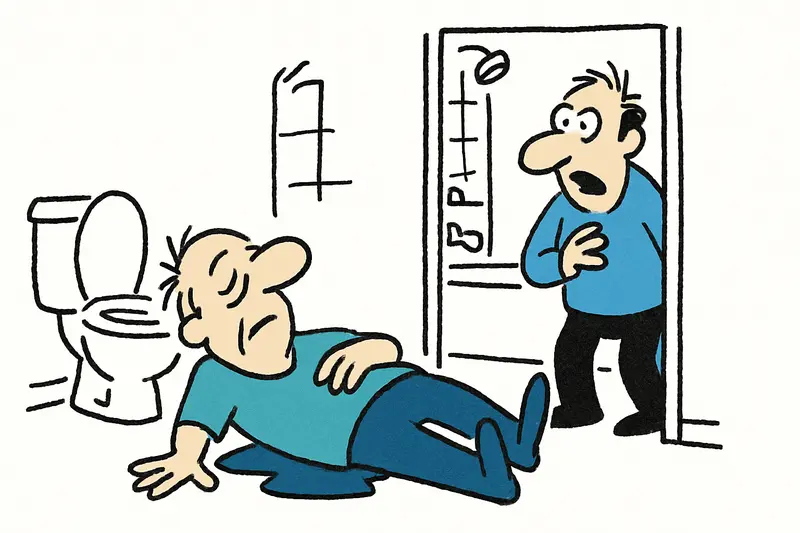
A 63-year-old man was found seriously injured in an apartment in La Soledat and later declared dead. The National Police are investigating the case; an autopsy should provide clarity.
Drama in Palma: 63-year-old dies after fall in bathroom
An evening in an apartment on Carrer Tomàs Rullan in the La Soledat neighborhood ended in tragedy: a 63-year-old resident was found unconscious and heavily bleeding on the bathroom floor at around 11:30 p.m. by his roommate. Ambulances and police arrived, but paramedics could only declare the death. The National Police have opened an investigation; an autopsy is expected in the coming days to determine the exact cause of death.
Key question
How safe are people with chronic illnesses in their own homes, and how well do systems of neighborhood help, emergency calls and prevention work in Mallorca?
Critical analysis
The known facts are sparse: location, time, condition at discovery and the note that the deceased had an illness. From this two basic scenarios can be derived that investigators will examine: a simple fall with fatal consequences or a collapse due to a pre-existing condition followed by injuries. The autopsy will be decisive. What is missing from the public account is the timeframe: How long did the man lie there before being found? Were there visible obstacles in the bathroom, missing grab rails or slippery tiles? Were regular medical contacts or care arrangements in place? Without these details the debate remains superficial; similar incidents reported in the area, such as Caída en Palma: un anciano, un balcón y muchas preguntas abiertas, illustrate how circumstances around a fall can complicate investigations.
What is often missing in public discourse
We quickly talk about "accidents" or "natural causes", but rarely about the living conditions of older or sick people in urban neighborhoods like La Soledat. The island has many multi-person households, furnished apartments and a dense neighborhood where people often live side by side by chance. Prevention is not purely a medical issue: it concerns housing standards, social oversight and reachable emergency chains. It is also often forgotten that an emergency call at night works differently than during the day — the time until discovery can decide between life and death.
An everyday scene from Palma
It is a cold, damp January night in La Soledat; the streetlights cast ochre patches on the asphalt. Carrer Tomàs Rullan is quiet, only the occasional car and the rustle of plastic bags in the wind. In nearby cafés and bars the last customers have cleared the tables. If someone here is unresponsive at 11:30 p.m., the whole street will not automatically notice. The roommate who came home and found the 63-year-old stood in that moment between shock and action: a phone call, a window light flickering on twice, footsteps in the stairwell — small scenes that mean everything to those involved, and for everyone else only brief headlines. Nearby accidents, for example Hombre de 23 años cae desde un apartamento en Palma, show how quickly a domestic situation can escalate into a medical emergency.
Concrete solutions
- Expansion of local prevention programs: neighborhood centers could offer regular check-ins for elderly or chronically ill residents, especially for single-person households or people with limited mobility. A weekly phone call or home visit costs little compared with a late emergency response.
- Promotion of simple home adaptations: free or subsidized handrails, non-slip mats, emergency buttons in the bathroom. Such measures prevent many falls or greatly reduce their consequences.
- Raising awareness of roommate and neighborhood responsibility: in multi-person households there should be clear agreements about who reacts immediately to health warning signs such as breathing difficulties or weakness and how to correctly place an emergency call (clear instructions, no panic, give location).
- Better linking of general practitioners and social services: if GPs know that patients live alone, they could proactively recommend home visits or electronic monitoring options. Nighttime incidents highlighted in reports like Hombre sonámbulo cae desde un balcón en Palma y resulta gravemente herido underscore the need for tailored measures for different times of day.
What matters now
For the family and friends of the deceased one thing matters most now: clarity. The results of the autopsy are not only legally relevant, they also help draw lessons. For neighbors it means watching out for each other more closely — without a spy mentality, but with human consideration.
Conclusion: The tragic death on Carrer Tomàs Rullan is a reminder of how quickly a domestic situation can become an emergency. It is tempting to write off such cases as isolated incidents, but they open a broader debate about housing safety, night- and emergency care and social networks in our neighborhoods. A few simple measures could make future nights in La Soledat somewhat safer.
Frequently asked questions
What happens after someone is found dead after a fall in Mallorca?
How safe is it for older people to live alone in Palma?
What can cause a bathroom fall to become fatal in Mallorca?
What should roommates do if they find someone unconscious at home in Mallorca?
What is La Soledat in Palma like as a neighborhood?
How can bathroom accidents be prevented in Mallorca homes?
What should families do in Mallorca if a relative has a chronic illness and lives at home?
Why do nighttime emergencies in Palma sometimes go unnoticed for a while?
Similar News
Injured captain, big plans: Germania Mallorca before the away match in Consell
The newly founded FC Germania Mallorca travels to Consell on Saturday. Captain Bastian Müller is out injured, but coach ...
Palma, Palma de Mallorca, Palma‑Mallorca: What is it really about?
The debate over the city's name is more than grammar: it concerns identity, law and branding policy. A sober reality che...
Warning to Bathers: Nipping Fish in Cala Major and Other Coves — a Reality Check
In Cala Major and several beaches around Mallorca, bathers report painful “nips”. Who are the animals, why are they gett...
Rental Car Theft in El Arenal: What This Incident Reveals About Our Gaps
A teenager steals a running rental car in El Arenal, flees on foot, climbs over walls and is caught by the Guardia Civil...
Red Rope in Palma's Library: What Helps Against Selfie Tourism — and What's Missing
Palma's city library cordoned off an area with a red rope to keep selfie tourism away from reading and working activitie...
More to explore
Discover more interesting content

Can Cap de Bou

Townhouse Lleo 72
