
Fire, Music and Street Bratwurst: Palma Celebrates San Sebastià 2026
Fire, Music and Street Bratwurst: Palma Celebrates San Sebastià 2026
In Palma the Foguerons are burning again: music, neighbours and an open-fire atmosphere make the evening of January 19 warm and loud. Where the concerts take place and how locals keep the custom alive.
Fire, Music and Street Bratwurst: Palma Celebrates San Sebastià 2026
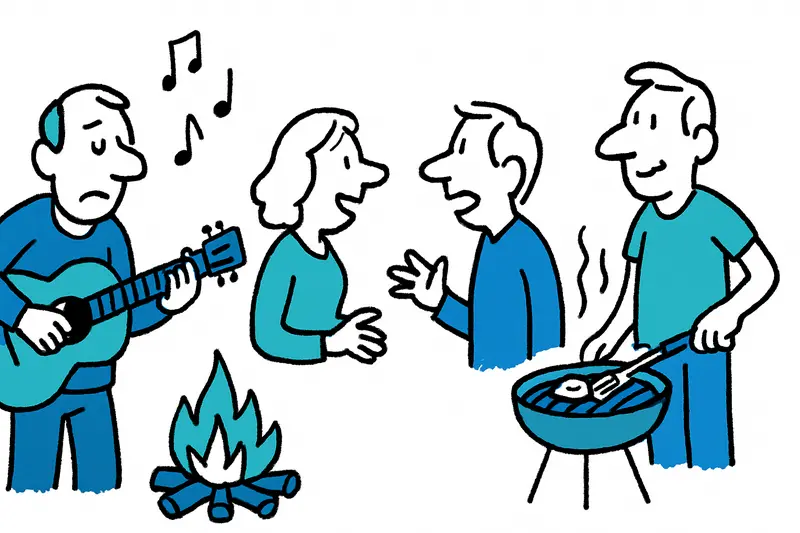
When the sun sets early on January 19 and the air at Plaça Cort smells of cold sea and hot smoke, you know: San Sebastià is here. In Palma's old town the so-called Foguerons burn again on corners and squares, on sidewalks next to old manor houses and in small courtyards. It is an evening to come together, to share warmth and songs.
I was walking along Passeig del Born shortly before dusk. Vendors were still packing up charcoal, young people carried thermoses with mulled wine, children dragged torches behind them, and the first guitar riffs sounded from a loudspeaker. Everywhere the rustle of plastic bags mixed with the crackling of small fires. The mood felt more familiarly local than tourist-staged: neighbours chatted about the mortars used in the neighbourhood to salt the sardines, an old man on Carrer de Sant Miquel blew the ash from his hood, and a street singer started a Balearic ballad.
Music on several squares
The city has put together a programme of live performances on the main squares. Main stages are traditionally on the Town Hall Square (Plaça Cort) and at Plaça del Rei Joan Carles. Local bands, choirs and traditional groups alternate on the bill. The concerts attract families, groups of friends and long-time residents; the crowd moves slowly from stage to stage like at a musical flea market. In between, bakeries and bars spontaneously open windows where hot sandwiches and coffee are served.
Why the festival is so important for Palma
San Sebastià is more than fire and speakers: it is a kind of urban pause. In a city otherwise shaped by tourists, construction sites and rushing pace, this evening allows people to recognise their neighbourhood again. Street stalls, musicians and volunteers ensure that money stays in small pockets – for the street vendor, the neighbourhood choir, the local pub. There is space for encounters between generations: teenagers fooling around in the dark and retirees telling old stories while waving a piece of bread.
A simple invitation
If you want to go: dress warmly, bring a blanket and be considerate of the fire sites. Many Foguerons are smaller than you might think; they are more about conversation than large-scale grilling. Public transport is recommended – when walking through the old town you quickly notice how narrow lanes become the nicest part of the evening. For dog owners, it's an evening where consideration matters: short leashes and a calm paws plan help everyone.
An evening that lingers
At the end of the night, when the flames grow smaller and the last guitar chords fade away, you see people still sitting on the squares blowing ash out of cups. You hear the clatter of the cleaning crews and the quiet laughter of groups of friends staying an hour longer. San Sebastià is not a festival of big effects but one of small connections – a collective breath in an otherwise hectic city.
In short: Foguerons, street music, local stalls and a strong neighbourhood spirit shape the evening. For anyone who loves Palma or wants to rediscover it, San Sebastià is a good reminder: the city can be loud and cosy at the same time.
Frequently asked questions
What is San Sebastià in Palma and why is it celebrated?
What is the weather like in Palma during San Sebastià?
Can you bring children to San Sebastià in Palma?
What should I wear to San Sebastià in Palma?
Where does the main San Sebastià programme take place in Palma?
Is Plaça Cort a good place to experience San Sebastià in Palma?
How do people usually get around Palma during San Sebastià?
What kind of food and drink can you expect at San Sebastià in Palma?
Similar News

Mistaken identity with fatal consequences: Brutal assault in S'Aranjassa — what's missing in the follow-up?
At S'Aranjassa a visitor to a finca was tied up, beaten and thrown out of a van. Three men have been arrested, including...
High heel slips, car accelerates: accident on Camí de Son Hugo
A woman lost a high-heeled shoe on the forecourt of the sports facility at Camí de Son Hugo. The car accelerated, mounte...

Phone Scam: How Two Hotel Employees at Playa de Palma Lost Thousands of Euros
One morning in September, two reception employees at Playa de Palma were pressured by alleged alarm-company staff — in t...
When the Wallet Becomes a Danger: Attack in Peguera and Lessons for Mallorca
In Peguera, two women are said to have stolen the wallet from a 75-year-old German couple. When the victim intervened, t...
Plata stays Plata: Young people take over, Llonguets remain
A small bar on Carrer de l'Argenteria will continue: Tolo Serra hands the place over to young Mallorcans at the end of t...
More to explore
Discover more interesting content

Can Cap de Bou

Townhouse Lleo 72
