
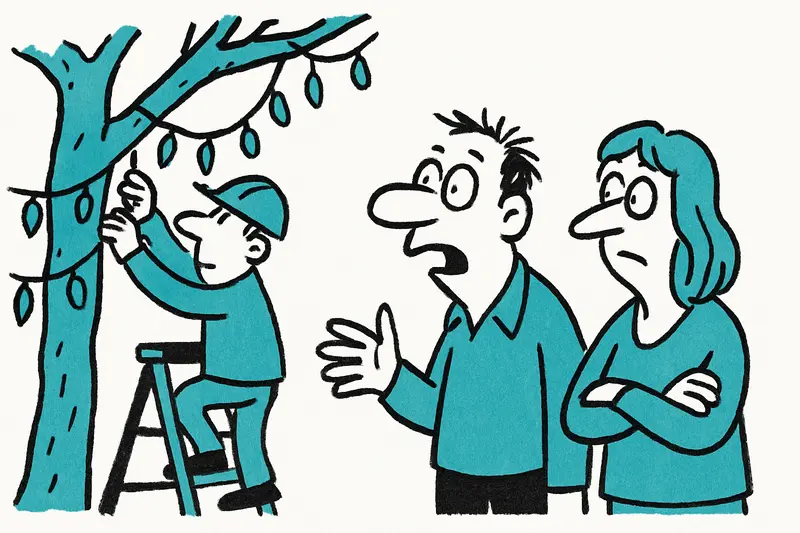
Christmas Lights in July: Debate Over Decorations and Heritage Protection in Pere Garau
In Palma, Christmas lights already installed in summer on the Plaza de las Columnas in Pere Garau are causing controversy: the city administration cites safety reasons, while heritage groups and residents criticize the prolonged impact on historic sites. A look at fault lines, follow-up costs and possible compromises.
Christmas lights in July: Why Palma is already putting up decorations
Yesterday afternoon, around 5:30 pm, I was sitting with a hot cortado at the Plaza de las Columnas. The lemon trees cast only sparse shade, the chirring of mosquitoes mixed with the traffic – and cables and LED strings were already winding around the statue columns, which in normal years only appear in November. A strange sight: summer heat and Advent atmosphere in one.
The central question is simple: must Christmas lighting be installed months before the festival if historic squares are burdened with technical equipment for months on end? The city administration gives pragmatic reasons: installing early means more time for tests and repairs, so that on the official switch-on date, 22 November, everything runs smoothly, as discussed in Lights moved from the Borne: Palma shifts the Christmas switch-on — a good idea, but at what cost?. Workers, according to observations, have already been active since June on Calle 31 de Diciembre and in other corners of Palma.
Voices from Pere Garau: heritage protection versus administrative practice
On the other side are the heritage organization ARCA and the neighborhood initiative Flipau amb Pere Garau. Both criticize that the long phases with suspended equipment change the appearance and substance of the historic ensemble (see heritage conservation guidance from ICOMOS). “The columns are not a scaffold, but part of a protected square,” a spokesperson for the initiative told me, while children played on the marble steps nearby.
Residents and business owners are divided. Luisa, who has run a small café on the plaza for years, likes the atmosphere of the lights – but not the tangle of cables that already looks like a permanent construction site. “A bit of atmosphere is nice, but we don’t want months of provisional aesthetics right in front of our shop,” she complained.
More money, new technology – but is that enough?
This year the town hall increased the budget for Christmas lighting to around €526,000 – about €110,000 more than the previous year. Officially, the money is going towards secure fixings and energy-efficient lighting. That is a first step, but critics point out: more money does not automatically mean careful handling in sensitive places, a concern also discussed in Palma switches on Christmas lighting — change of venue, sparkle and the cost of the lights. The central question remains: are heritage protection aspects being sufficiently taken into account in the planning?
One point that is often overlooked in the public debate is the burden on small businesses. Longer installation times mean limited facade maintenance, more difficult deliveries and an aesthetic disadvantage during important summer months. Added to that is the strain on visitors and residents who expect a historic environment – not permanently visible cables and scaffolding.
Technology, politics and a missing dialogue
This is not only a technical question but also one of planning culture: why are sensitive squares not planned in coordination with heritage protection, shop owners and neighbors? The answer lies partly in administrative procedures and partly in the desire to minimize the risk of failures. A council member announced that the issue will be put on the agenda in early September – a sign that finds approval, but also a late response to a debate that already began in summer.
Concrete compromise proposals
There are practical solutions that are too rarely mentioned in the debate: temporary, non-invasive fixings instead of anchorings that require holes; discreet cable ducts that preserve the appearance; shorter installation windows in truly sensitive areas; modular LED elements that can be installed more quickly and with less effort in autumn. Better communication would also be valuable: a publicly accessible installation schedule, neighborhood briefings and test lightings at less exposed times.
Looking further ahead: why not increase the use of mobile, solar-powered light elements for smaller squares to reduce large-scale installations? Or a pilot project in which one street serves as a test field before sensitive places like the Plaza de las Columnas are equipped? Local coverage has also examined why Plaza España is in the spotlight this season.
What remains?
Palma stands between two desires: we want the festive city that brings warmth to the dark months with lights – but not at the expense of the substance and appearance of our squares. Whether the solution is technical in nature or requires more dialogue and a culture of planning will be shown in the upcoming council session. Until 22 November, Palma is a city in summer that is already thinking a little about Christmas.
I’ll stick with it: at the next cortado I will look again – and perhaps take a photo that documents the lights in July, before they amaze us in winter.
Frequently asked questions
Why are Christmas lights being installed in Palma so early?
Does early Christmas lighting installation affect historic squares in Mallorca?
What are residents and shop owners in Pere Garau saying about the Christmas lights?
How much is Palma spending on Christmas lights this year?
When do Palma’s Christmas lights usually switch on?
Is Christmas lighting in Mallorca becoming more energy efficient?
What alternatives are being suggested for Christmas lights in protected areas of Palma?
Why is heritage protection important for Christmas lights in Mallorca?
Similar News
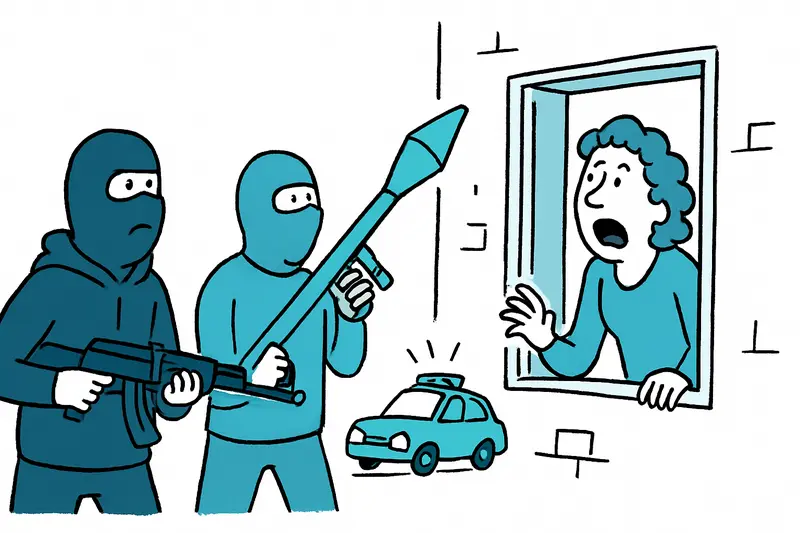
Masked Images, Real Panic: When Social Media Aesthetics Alarm Neighbors
Five German content creators filmed on a recently vacated detention site using deceptively realistic props. The result: ...
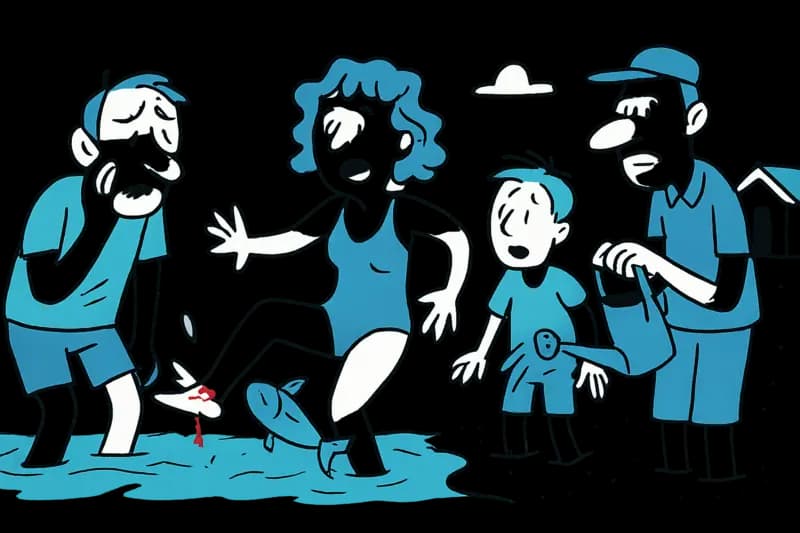
Why the Striped Breams in Cala Pí Should Be a Wake-up Call
Once again bathers in Cala Pí were surrounded while swimming by small, nippy fish — some wounds bled. Time for clear rul...

Daily from New York: How Palma's Air Traffic Is Growing — and What Must Change
United will increase the Newark–Palma service to daily flights in 2027 (Boeing, 231 seats). Strong tourist numbers clash...

When Love Ends in Shards: Destruction in Son Vida and the Questions That Remain
In Son Vida a relationship dispute escalated: a woman destroyed furniture in a luxury villa, later pressed a panic butto...
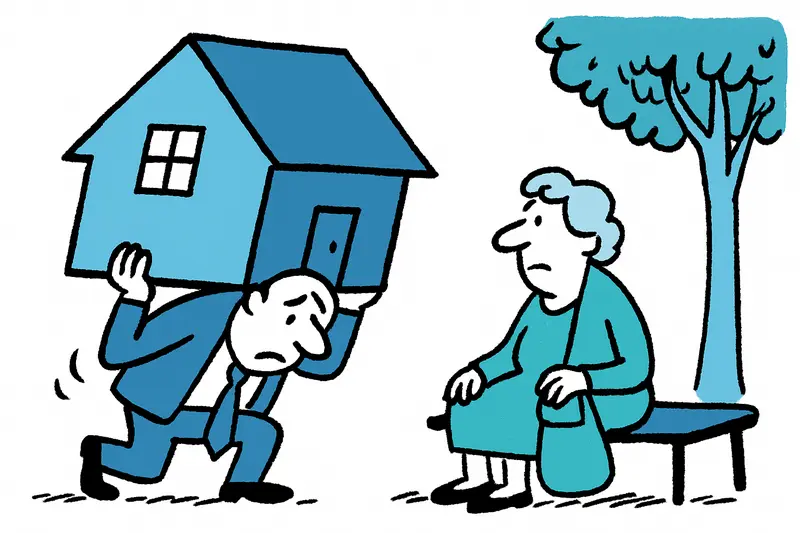
Who Bears the Burden? Mallorca Between Tenant Protection and Landlord Fears
Madrid's new housing decrees strengthen tenant rights — but on Mallorca concern is growing: will the law drive small lan...
More to explore
Discover more interesting content

Can Cap de Bou

Townhouse Lleo 72
