
Palma: Employee Allegedly Diverted €31,000 from Vending Machines
Palma: Employee Allegedly Diverted €31,000 from Vending Machines
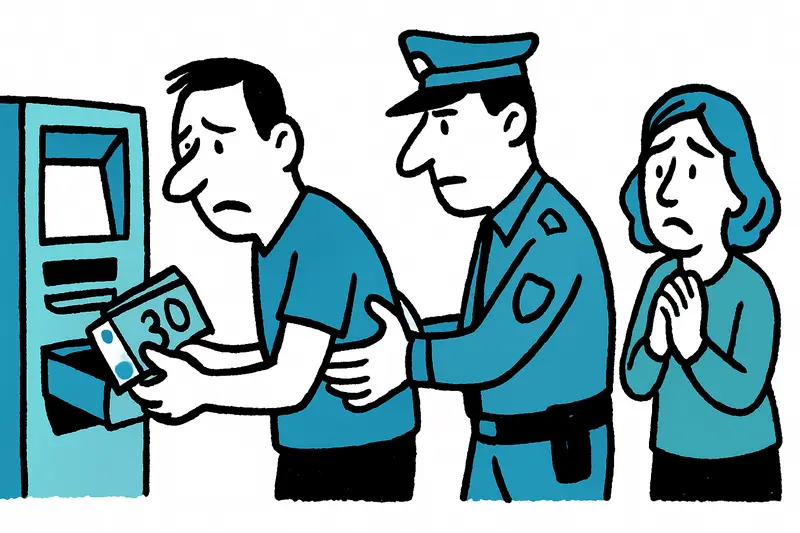
During an internal audit in early February it emerged that an employee of a vending-machine company allegedly took more than €31,000 from daily takings over several months. The National Police arrested the man; investigations for fraud and aggravated theft are underway in Palma's prison.
Palma: Employee Allegedly Diverted €31,000 from Vending Machines
Internal audit leads to arrest — questions about controls, technology and prevention remain
In early February the National Police in Palma stopped a man who, according to investigators, allegedly diverted more than €31,000 over months from the daily takings of numerous vending machines. The trigger was a routine internal check at the company; the managing director filed a complaint. The accused, who apparently had keys to many machines, is said to have repeatedly deviated from his assigned route and to have been out and about after working hours. There was already an arrest warrant against him; he is now in Palma's prison. The investigations are underway for fraud and aggravated theft; a similar case involved an employee in Palma suspected of having created forged invoices for €150,000.
Key question: How could a single employee divert such large sums unnoticed for so long — and what does that say about the control mechanisms in such companies? This is not just a criminal case but a system test: whoever manages cash and keys urgently needs parallel control instances.
The sober facts — keys, deviations from routes, a complaint following an internal review — show gaps often seen when cash, sporadic inspections and trust meet. Vending-machine operators often work with small teams, tight schedules and routines tied to the city's rhythm: early rounds on market days, late collections after events. These routines create spaces where irregularities can hide as long as nobody looks closely, and other schemes have emerged in the city, such as reports where €55,000 reportedly disappeared into a slot machine.
What has been little addressed in public debate so far: it is not only about individual misconduct. It is about the mix of staff selection, work organization and outdated technology. Many machines are cash-oriented; cash transport and collection depend on people. Does the company use digital locking systems, route logs or a two-person rule for collections? Were unannounced spot checks planned? And what about insurance for missing takings?
An everyday scene that explains the picture: It is a cool morning on the Passeig Marítim, the street sweeper hums, delivery vans park in front of a café, a colleague of the vending-machine staff fetches two crates of bottles. An employee with a bunch of keys pushes the trolley to the machine, briefly notes numbers in a little notebook, smiles at the owner. No one watches long enough — the machine hums quietly, a few coins clink, and routine replaces control.
Concrete suggestions to make this less likely are practical: First, digital access logs and locking systems that document who opened what and when. Second, GPS-based route recording for collection rounds, linked to time tracking. Third, introduce a two-person rule for cash collections or dual-signature processes for larger sums. Fourth, regular unannounced audits by external auditors instead of only internal checks. Fifth, a greater shift to cashless machines or sealed intermediate cash modules that are only released via counters. Sixth, better training and vetting during hiring: references, police records, psychological assessments for those responsible for cash.
Technology must not be sold as a cure-all, but it reduces opportunities: cameras focused on cash handling (installed legally and in compliance with data protection), electronic cashbooks, automated daily closures via cloud. Added are social measures: regulated breaks, transparent duty rosters, anonymous whistleblower systems for employees who want to report irregularities without fear of reprisals.
Authorities and companies bear different responsibilities. The police intervene in criminal cases — in this case there was an arrest and ongoing proceedings; similar law-enforcement action occurred at Son Sant Joan Airport, where two employees were detained after alleged thefts. The company, however, must rethink its internal processes. Filing a complaint is the right first step; the real task begins with prevention. Otherwise only a list of individual cases will remain.
Conclusion: That a single employee could divert large sums over months is less a human mystery than an organizational one. On the streets of Palma, between cafés and parking spaces, the vending machines keep humming. If we want them to operate honestly, employers must change their systems so that the next unusual deviation is noticed immediately — and not only during an internal balance check.
Frequently asked questions
How can a vending machine company in Mallorca lose money without noticing for months?
What controls help prevent employee theft in Palma businesses that handle cash?
Why are vending machines in Mallorca especially vulnerable to theft or fraud?
What happened in Palma in the alleged €31,000 vending machine case?
How can vending machine companies in Mallorca spot irregular collections earlier?
Is cashless payment better for vending machines in Mallorca?
What should companies in Palma do after discovering suspected internal fraud?
What are the best ways to prevent theft in small Mallorca cash businesses?
Similar News

When the Wallet Becomes a Danger: Attack in Peguera and Lessons for Mallorca
In Peguera, two women are said to have stolen the wallet from a 75-year-old German couple. When the victim intervened, t...
Plata stays Plata: Young people take over, Llonguets remain
A small bar on Carrer de l'Argenteria will continue: Tolo Serra hands the place over to young Mallorcans at the end of t...
Unnoticed in the Luggage Compartment: How a Boy Traveled More Than 100 Kilometers in a Team Bus
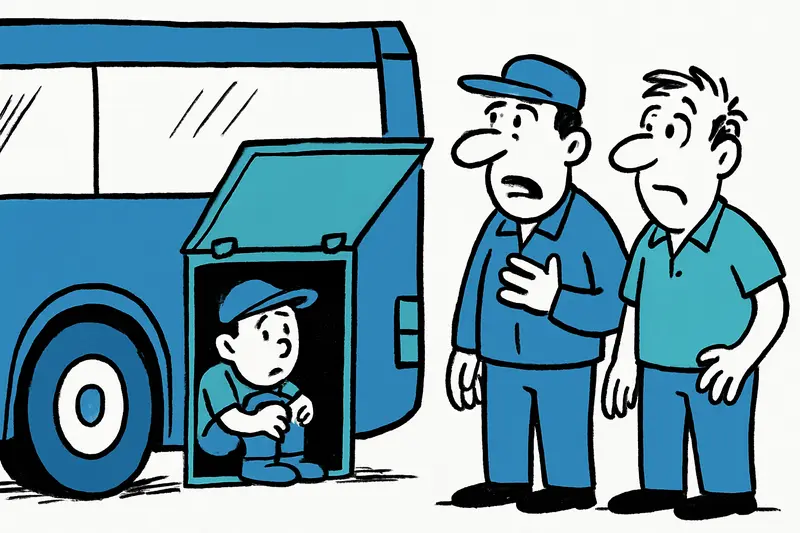
A minor traveled in the undercarriage of a team bus for more than 100 kilometers until his cries for help were heard. A ...

Cap Vermell Grand: Second Michelin Key – a Gift for the East
The Cap Vermell Grand in Capdepera has been awarded its second Michelin key. For the region this elevates the luxury off...
Eurowings lets four aircraft carry names – a friendly idea that also reaches Mallorca
Eurowings is launching a campaign: four Airbus A320s are to carry the first names of people who help others in everyday ...
More to explore
Discover more interesting content

Can Cap de Bou

Townhouse Lleo 72
