
New Life at Plaza España: Former Hostal Terminus Becomes SFM Headquarters and Meeting Place
New Life at Plaza España: Former Hostal Terminus Becomes SFM Headquarters and Meeting Place
The old Hostal Terminus at Plaza España in Palma has been renovated: instead of rooms it now houses the SFM headquarters, a cafeteria, a multipurpose hall and, soon, a publicly accessible air-raid shelter. The works cost €3.7 million.
New Life at Plaza España: Former Hostal Terminus Becomes SFM Headquarters and Meeting Place
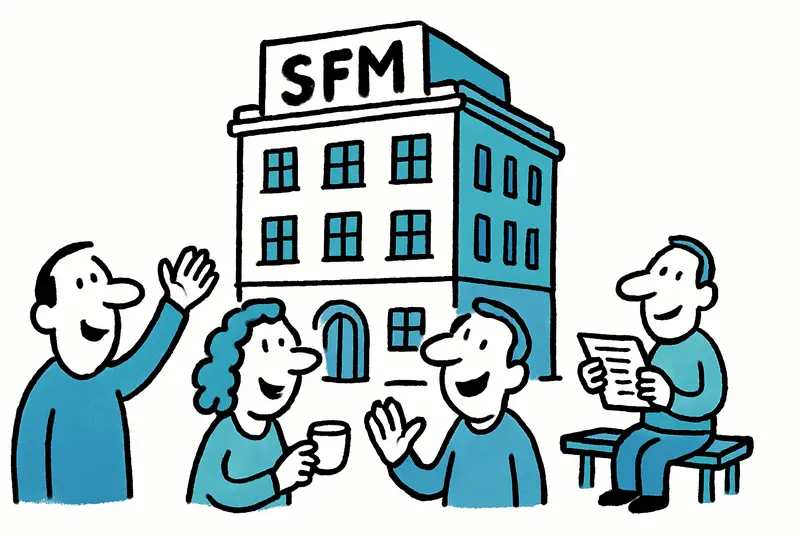
If you stroll across Plaza España in Palma these days, you easily stop and take in the sight. The unassuming building that once hosted visitors as the Hostal Terminus now sports fresh windows, a new facade and people who don’t just briefly put down their suitcases. The property has been comprehensively renovated and now houses the headquarters of the railway company SFM, a cafeteria and a multipurpose room.
The change is immediately noticeable for residents and commuters: early in the morning the smell of espresso wafts from the new cafeteria, the clinking of coffee cups mixes with the distant clatter of trains stopping at the Plaça d'Espanya station, a project covered in Palma: Plaza España Train Station Gets a New Look. SFM employees briskly come and go, tourists pause to take photos, and older people sit on the small benches at the street corner — creating a small meeting spot instead of a ramshackle hostel.
The renovation cost €3.7 million. From an urban-planning perspective this is an investment in the city centre: an old, partly neglected building is being put back to use and offers space for administration, encounters and cultural use. This echoes wider discussions about funding and works at the intermodal hub, as explored in Lots of Money, Lots of Work — But Is It Enough for Palma's Intermodal Station?. The new rooms are intended not only for offices but also for events – from information evenings about rail topics to small concerts or workshops.
An exciting discovery during the renovation was the air-raid bunker in the basement. Such relics of the past are not uncommon in Palma, but they are rarely made so visible. The plan is to make the bunker accessible to the public in the future — with simple, sensible uses: as a small exhibition on the city's history or as a memorial site for Mallorca's civil defense history. For visitors, this would be an authentic, down-to-earth addition to the surrounding urban life.
The transformation of the hostal is a reminder of how urban spaces can be upgraded quietly and on a moderate budget. Instead of vacancy, there is now municipal functionality, places to meet and jobs. The location helps, too: Plaza España is a hub where bus and train lines converge. An active use of this building brings foot traffic back to the corner between the Rambla, the station and the small shops on Carrer d’Antoni Maura.
Some neighbours have already come up with ideas: opening the cafeteria on Saturdays for market visitors, free information sessions on how to use SFM trains, or using the multipurpose hall as a weekend venue for language courses and neighbourhood gatherings. Such initiatives would bring the building even closer to people’s everyday lives.
Of course, one hopes the new operators will offer good opening hours, that access to the bunker will be well explained and that the cafeteria keeps affordable prices. But even now it is clear: the square feels livelier, the corner friendlier. Soon, over a coffee, you might study the train timetable, attend an info event or visit a small exhibition about the bunker.
For Palma this is a piece of normality that reassures: instead of more tourist use or an empty facade, a place with real value for locals and visitors has emerged. The simple message is: with a modest budget and clever planning, urban spaces can be redesigned so they are used by everyone again. And for a city like Palma, which is always on the move, that is a useful perspective.
Frequently asked questions
What is the former Hostal Terminus at Plaza España in Palma used for now?
Why is Plaza España in Mallorca becoming a more pleasant place to stop?
Can visitors see the bunker discovered under the old Hostal Terminus in Palma?
What can people do at the new SFM building in Plaza España, Palma?
How much did the renovation of the former Hostal Terminus in Palma cost?
Is Plaza España in Palma a good place to connect between train and bus?
What is the best time to visit Plaza España in Palma if you want a quieter atmosphere?
Why do locals in Palma care about the new use of the former Hostal Terminus?
Similar News
The Painter Who Lived Mallorca: Franz Taussig and His Century-Old Secret
A hundred years ago a young Viennese arrived in El Terreno, sketched the island and called himself Francis Caron. Today ...

Airport dispute: Bridge, forecasts and the question of responsibility
A video by the Spanish transport minister has ignited the dispute over DORA figures, capacities and local governance pow...

The Painter Who Invented Himself: How a Young Viennese Drew Mallorca
A hundred years ago a 19-year-old draftsman arrived in El Terreno. His diary and sheets, long known under the pseudonym ...
Released with Conditions: The Plus Ultra Suspicion and a Mallorcan Finca as Residence
A Dutch entrepreneur, sought in connection with the Plus Ultra case, was extradited to Spain after his arrest in Germany...

Haute Nuit in Puerto Portals: Fashion, Art and Indulgence by the Water
On October 2 the Lobster Club in Puerto Portals will be transformed into a stage for curated fashion, art and culinary e...
More to explore
Discover more interesting content

Can Cap de Bou

Townhouse Lleo 72
