
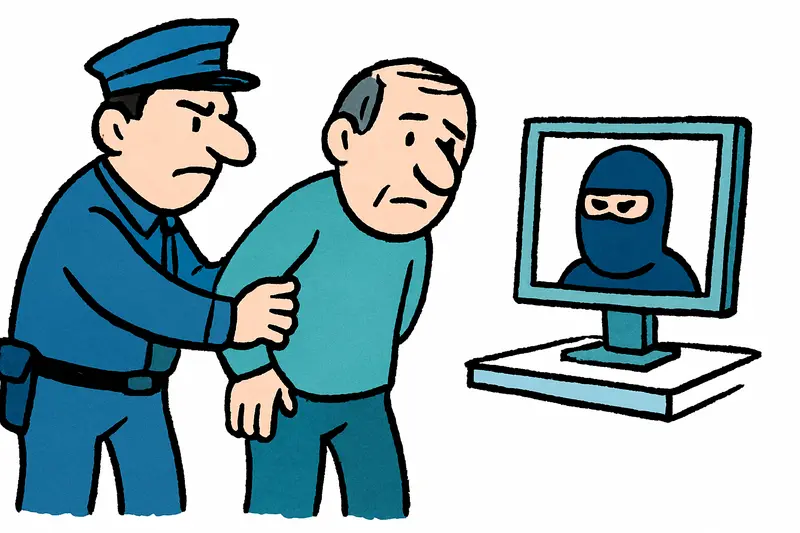
Palma: Arrest After Threat Post — How Dangerous Is Online Rage in Mallorca?
In Palma a man was arrested after allegedly calling for violence against the suspected perpetrators of 14-year-old Sandra Peña via an anonymous account. The case raises questions about responsibility, anonymity and prevention online — right in our neighborhood.
Arrest in Palma and the question of responsibility online
The morning was grey, a light drizzle wrapped the harbor in mist as police cars stopped in a residential area near the marina and officers worked calmly but firmly. The arrest of a Spanish citizen on November 5 is now linked to an anonymous social media account, as reported in Detención en Palma tras publicación de amenazas: ¿Qué tan peligrosa es la ira en línea?. Investigators say the man had called for violence against the suspected perpetrators of 14-year-old Sandra Peña. The sad news about the girl remains — but now virtual rage mixes with real grief.
A key question: What happens when virtual outrage becomes an incitement?
It sounds simpler than it is: a post seen and commented on millions of times triggers real reactions. People already talk a lot on Mallorca's squares — now smartphones light up too, and sometimes outrage turns into a call to action. The central question is therefore: who is responsible when digital anger becomes a criminal incitement?
Legally, threats and incitement are distinct offenses; the Council of Europe page on hate speech and incitement explains the legal distinctions. Investigators were able to trace the account and took action. That is important; it shows that traces on the web do not always disappear completely. But the matter has two sides: public outrage must not turn into vigilantism, and at the same time authorities must not remain inactive when social media become stages for social violence.
What is often overlooked
The debate revolves largely around emotion — grief, anger, powerlessness. Less attention is paid to how structural the problems are: lack of digital education, patchy moderation on platforms, limited resources for cyber investigations and legal grey zones between freedom of expression and criminal incitement. The Digital Services Act rules on platform responsibilities address some platform obligations but implementation varies. On the street you hear phrases like "That's only fair" — understandable, but dangerous if it leads to action.
A police officer at the scene put it plainly: one must not hope for or call for violence, even if the pain is great. The balance between the right to free expression and protection against calls for crime is harder than imagined — especially when comments spread in seconds and self-appointed judges form in the comment sections.
Concrete problem areas and approaches
Mallorca now needs pragmatic answers, not just moral appeals. Some steps would be:
1. Better cooperation with platforms: Faster removal and reporting channels, transparent points of contact for investigators and simplified procedures to identify authors — without recklessly undermining fundamental rights.
2. Stronger prevention in schools: Digital education belongs in the curriculum, in line with UNESCO guidance on digital literacy. Young people must learn how online aggression develops, what consequences it has and how to safely intervene or seek help.
3. Strengthening investigative resources: Cyber incidents need specialists. Local police stations should have greater access to digital forensic expertise — this also applies to island authorities.
4. Public awareness: Information campaigns in communities, at the market, in cafés — we are talking about neighborhoods, not anonymous metropolises. When the square talks, it should also know how dangerous words can become.
A difficult outlook — and a request
The detained man continues to be questioned; the public prosecutor's office and police are examining possible charges such as incitement to commit crimes. The legal process will show how harsh the net is and how delicate the boundaries of permitted outrage are. For the victim's family, for neighbors and for us as a society, one thing remains important: stay calm, show respect and address the causes of cyberbullying openly.
The small image of that morning stays with me: two older neighbors in jackets, shaking their heads, the light patter of rain puddles and the distant honk of a boat in the harbor. Such scenes remind us that the consequences of digital violence arrive here, in our everyday life. And that is precisely why we should seek answers that work in Mallorca — quietly, methodically and with caution.
The debate is open: How do we protect victims, how do we prevent calls for violence — without damaging free society?
Frequently asked questions
Can someone in Mallorca be arrested for threatening posts on social media?
What is the difference between hate speech, threats and incitement in Spain?
Can police in Mallorca trace an anonymous social media account?
How serious is it to call for violence online in Mallorca?
What should parents in Mallorca talk to teenagers about regarding social media anger?
What can residents in Palma do if they see violent threats online?
Why is digital literacy becoming more important in Mallorca schools?
What role do police and prosecutors play after an online threat case in Mallorca?
Similar News

Maribel: Five Decades of Service – Housekeeper from Peguera Celebrated with a Special Honor
Over 50 years in the hotel business: María Isabel “Maribel” Molinos was honored in Palma at the Nit del Turisme by Unive...
Orange Alert over Parts of Mallorca: Are We Prepared?
Dark clouds and an announced wet spell have triggered an Orange alert in parts of Mallorca. A reality check: what's miss...
Sundair & Co.: Sale speculation and what it could mean for Mallorca
Rumors about a possible sale of the airlines Sundair and Fly Air 41, which belong to Schauinsland-Reisen — and whether b...
Anne Wünsche in Mallorca: A job offer with a catch — who fits the role of personal assistant?
Influencer Anne Wünsche has left Berlin and is urgently looking for a full-time personal assistant in Mallorca. Why the ...
Daily from New York: Palma Between Boom and Strain
United will increase the Newark–Palma route to daily flights in 2027 using Boeing aircraft (231 seats). What does the in...
More to explore
Discover more interesting content

Can Cap de Bou

Townhouse Lleo 72
