
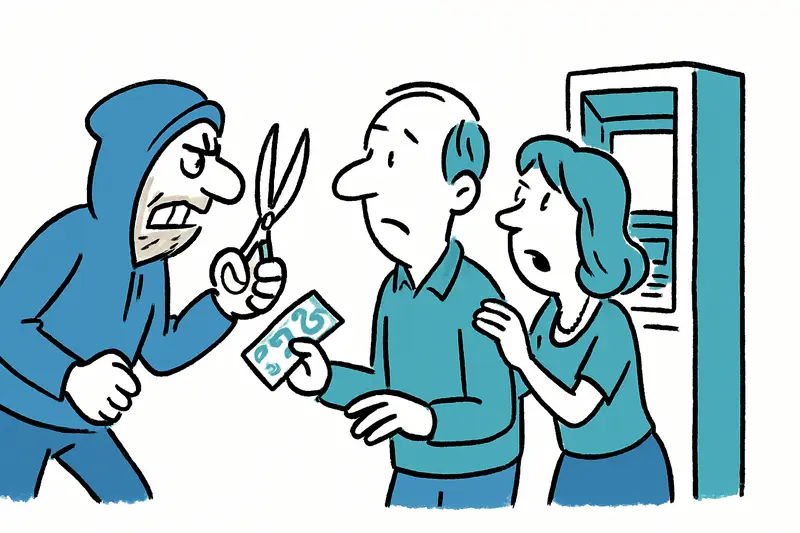
In central Palma: Man threatens customers at ATM – why these assaults concern us
At an ATM in Palma a man threatened customers with a pair of scissors, took 25 euros and tried to snatch a woman's gold chain. The National Police arrested the suspect. Why such acts are happening again and what we can do.
In central Palma: Man threatens customers at ATM – why these assaults concern us
Late on a Wednesday morning, around 10:30 a.m., the quiet routine at an ATM in the centre of Palma was interrupted. A man threatened two people waiting in line one after the other with a pair of scissors, took 25 euros from one man and then grabbed at a woman's necklace. A bank employee called the emergency number 091, and a few minutes later the National Police arrived and arrested the suspect. This echoes other recent arrests, for example After multiple assaults in Palma: Two suspects held in custody.
Key question
Why do such attacks occur in the middle of Palma — and what is missing from the discussion so that similar incidents happen less often?
Critical analysis
The facts are brief and unspectacular: threat with a sharp tool, small haul, attack on jewellery, quick alarm and arrest. Similar ATM attacks have occurred, for instance Nightmare at the Pillar: Robbery in Arenal a Wake-up Call for Greater Security. The pattern repeats itself in many places: offenders look for quick, little-planned acts in locations with fleeting victims. That the incident took place in a busy part of Palma is surprising because one would expect an increased presence of passers-by, cafés and frequent police patrols here. On the other hand, ATMs are still places where people briefly look away to count notes — an ideal opportunity for offenders.
What is missing in public debate
We quickly talk about perpetrators and punishments, rarely about causes and everyday safety. There is a lack of honest debate about who is particularly at risk (older people, lone women, people with limited cash-handling experience) and which infrastructures could provide protection. The social dimension is often left out: many small robberies arise from a mix of poverty, addiction and lack of prospects. That explains nothing and excuses nothing — but it helps to design appropriate prevention measures. Occasionally tourists are targeted in ways that underline the need for broader measures, as shown in Robbery at Can Pere Antoni: Why this incident reverberates — and what needs to happen now.
Everyday scene from Palma
Imagine the scene: outside a bank branch, the coffee machines of the bakery opposite are gurgling, scooters rattle over the pavement and an elderly woman balances a shopping bag. A young man approaches the ATM and slowly counts the notes, another man approaches with his gaze lowered — that is the moment when routine can turn into danger. These small, everyday situations are what we need to watch more closely, and they are reflected in cases such as Palma: Young man detained over series of necklace robberies — what does this say about our city?.
Concrete solutions
1) Increase visibility: Better lighting, open branch layouts and more surveillance cameras at ATMs reduce risk. 2) Staff and technology: Banks could introduce discreet panic buttons for employees and specially designed, shielded ATM areas so customers do not have to count notes unobserved. 3) Rethink police presence: Instead of only reactive deployments, targeted foot patrols at peak times at known ATM locations would be helpful. 4) Prevention work: Awareness campaigns, notices at ATMs (do not count large sums publicly, keep distance) and workshops for senior groups. 5) Social approach: Alongside tougher prosecution of petty crimes, there needs to be low-threshold support for people in precarious situations — addiction counselling, advice centres, employment programmes.
What the police can do — and what the city can do
The National Police reacted swiftly here; identification by a branch employee helped with the arrest. This shows that good cooperation between banks, staff and police works. The city administration can additionally analyse hotspots and agree binding security standards for ATMs with banks. ATMs in high-traffic locations should be designed so that they do not create 'attack surfaces'.
Concise conclusion
The incident in Palma is not an isolated case, but it is an opportunity to rethink: We must not only pursue perpetrators, we must make the places where people carry out everyday tasks safer. A combination of practical prevention, visible presence and social work not only reduces the number of assaults but also returns the city to its familiar, untroubled daily life.
Frequently asked questions
What is the weather like in Mallorca in summer?
Can you still swim in Mallorca outside the peak summer months?
When is the best time to visit Mallorca for good weather?
What should I pack for a trip to Mallorca?
Is Mallorca still warm enough for a beach holiday in spring?
What is Port de Pollença like for a relaxed holiday in Mallorca?
What is Palma de Mallorca like for a city break?
Is Mallorca a good destination for walking and outdoor activities?
Similar News
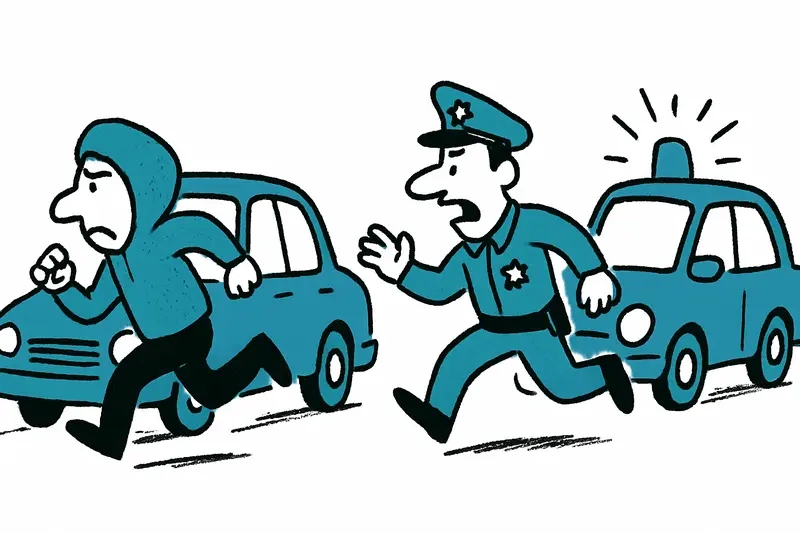
Rental Car Theft in El Arenal: What This Incident Reveals About Our Gaps
A teenager steals a running rental car in El Arenal, flees on foot, climbs over walls and is caught by the Guardia Civil...
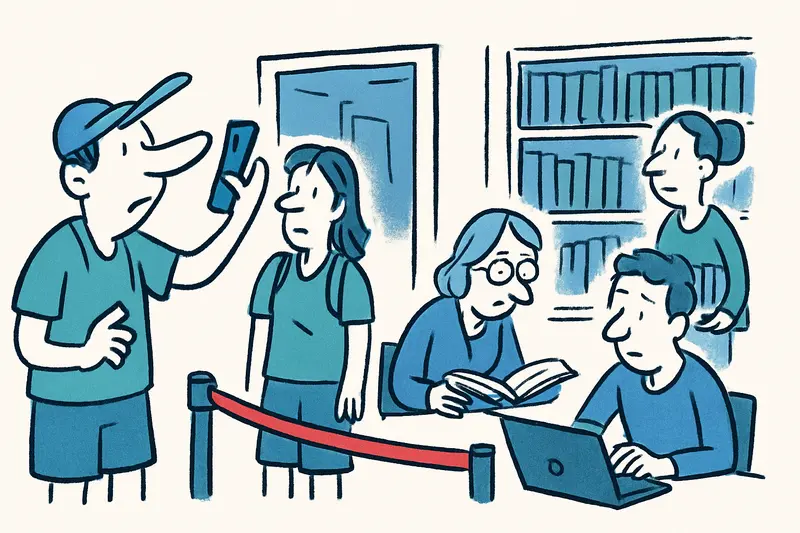
Red Rope in Palma's Library: What Helps Against Selfie Tourism — and What's Missing
Palma's city library cordoned off an area with a red rope to keep selfie tourism away from reading and working activitie...
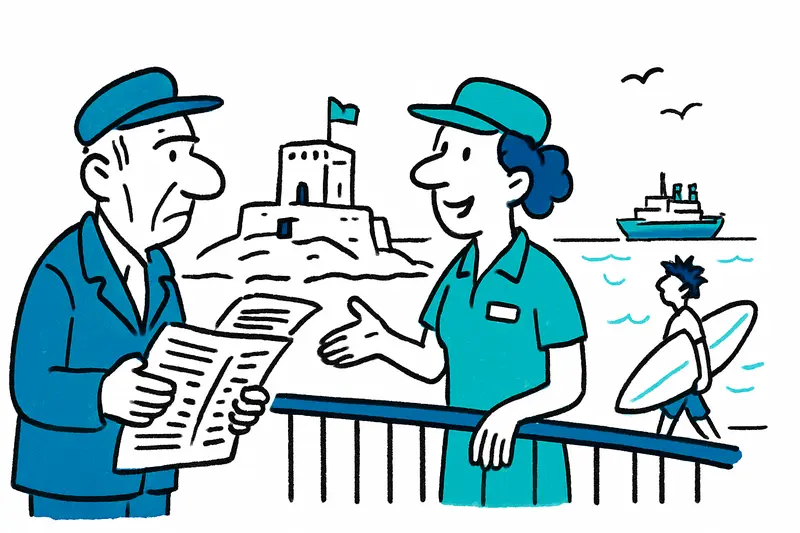
Fort San Carlos: Museum, Harbor Dispute — and a Conflict That Demands Answers
The military museum at Fort San Carlos sits right on Palma's harbor, with unexpectedly quiet rooms filled with cannons a...
Old Town Under Pressure: When a Doorway Becomes a Sleeping and Shower Place
For months a woman has been living with a parasol, a clothes rack and personal belongings next to the social welfare off...
When Shopping Weighs Heavier: Mallorca Demands a Tax Pause on Food and Fuel
Rising prices are putting pressure on households and agriculture. The Balearic Islands are calling for temporary tax rel...
More to explore
Discover more interesting content

Can Cap de Bou

Townhouse Lleo 72
