
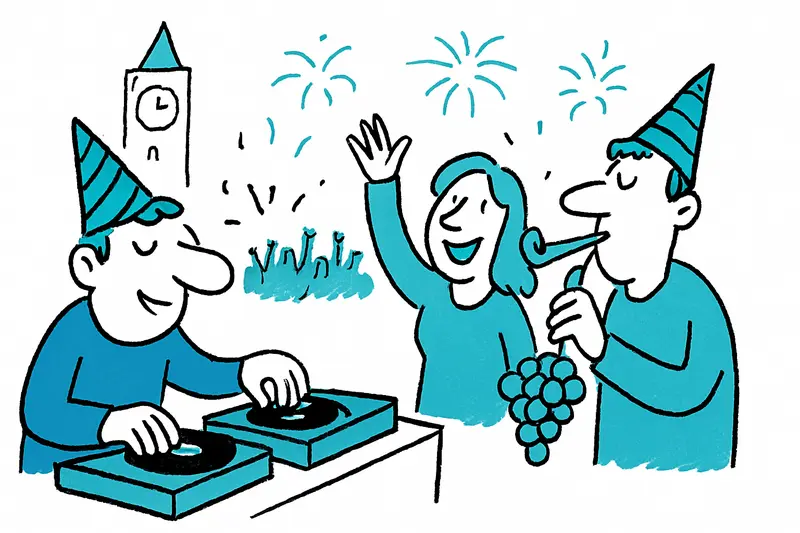
Palma celebrates: Thousands welcome 2026 at Plaça Cort and Plaza de la Reina
Palma celebrates: Thousands welcome 2026 at Plaça Cort and Plaza de la Reina
Thousands gathered in Palma to celebrate the turn of the year together. Music, DJs and the traditional grape counting shaped the peaceful atmosphere on Plaça Cort and Plaza de la Reina.
Palma celebrates: Thousands welcome 2026 at Plaça Cort and Plaza de la Reina
The night from December 31 to January 1 felt in Palma's old town like a big living room: tightly packed people, colorful lights, a reminder of when Palma switched on the Christmas lights, and above it all the familiar beat of the town hall clock. On Plaça Cort – the square in front of the Ajuntament – and on Plaza de la Reina DJs played, groups of friends and families pressed together, mixing tourists and locals into a lively crowd.
Already shortly before midnight it was clear: there was no space left. The barriers at the entrances to Plaça Cort remained in place for a long time because the number of arrivals filled the area, echoing concerns raised when Palma seeks new venue for the Christmas lights switch-on. Yet the mood remained calm and relaxed. No one shouted, there was seldom any pushing; instead one heard laughter, the clinking of glasses and the occasional pop of sparkling wine bottles.
Another unmistakable element of Spanish New Year's Eves was evident: at the stroke of midnight people counted the twelve chimes of the clock and ate — with some haste but full of anticipation — the twelve grapes. The ritual, which accompanies wishes for the coming months, was murmured in many languages and received applause as the new year began.
Anyone who walked through the alleys around the Passeig del Born that evening felt the change from everyday calm to festive bustle: street vendors offered hot drinks and small snacks, bar owners closed off the last tables, and drum beats from the open‑air setups mixed with the ringing of the cathedral bells. A mild breeze from the sea made the night more pleasant and carried the scent of roasted almonds and churros across the squares; this was part of the wider festive season when Palma starts Christmas program with over 300 events.
What was particularly striking was how intergenerational the celebration was. Young people danced next to older couples, parents hoisted toddlers onto their shoulders so they could at least catch a glimpse over the heads. This mixture made the evening so typical for Palma: loud, warm‑hearted and unselfconscious.
For the local economy such nights are more than a spectacle. Bars, restaurants and small shops experience a noticeable boost; taxi drivers and bus services were in high demand. At the same time municipal measures — barriers, police and security presence — proved effective: the proceedings remained orderly and there were no noteworthy incidents.
Such festivities are also a piece of cultural identity. The combination of modern party culture and old customs, the shared counting of the grapes and the subsequent toasting, connects people from different backgrounds. It is, it seems, a simple but effective way to start the year together.
If you stroll through the city the next morning, paper confetti still lies on the stones and isolated strings of lights blink in the trees. The remnants by the trash containers attest to a night full of life — but also to the routine afterwards: cleaning up, garbage trucks and city workers restoring the squares for everyday use.
Overall, New Year's Eve 2026 in Palma leaves a warm feeling: a full old town, a peaceful celebration and the quiet promise that shared experiences like this continue to benefit the island. For visitors and locals alike, the memory remains of a night in which the clock counted not only the hours, but brought the city closer together.
Frequently asked questions
What is New Year's Eve like in Palma's old town?
Do people in Mallorca celebrate New Year with the twelve grapes?
Is Palma crowded on New Year's Eve?
What should I wear for New Year's Eve in Palma?
Can you swim in Mallorca around New Year's?
What is Plaza de la Reina like during New Year's celebrations in Palma?
What happens in Plaça Cort on New Year's Eve in Palma?
What is the best way to get around Palma on New Year's Eve?
Similar News
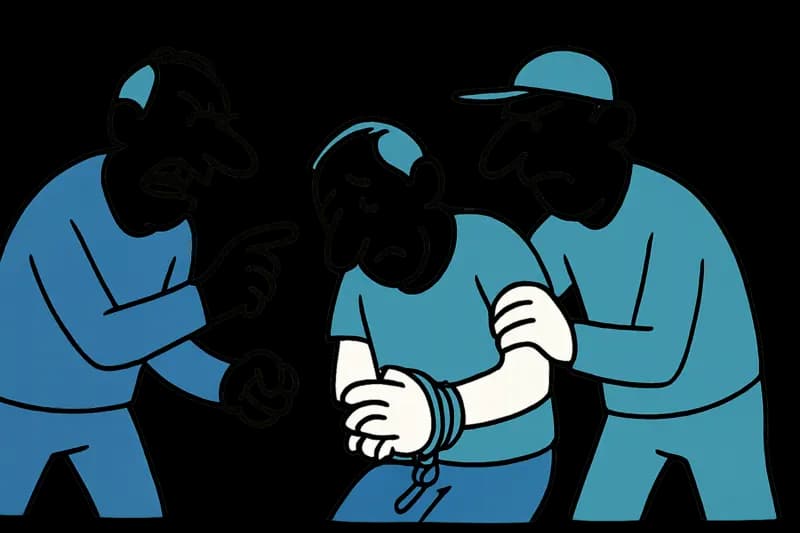
Mistaken identity with fatal consequences: Brutal assault in S'Aranjassa — what's missing in the follow-up?
At S'Aranjassa a visitor to a finca was tied up, beaten and thrown out of a van. Three men have been arrested, including...
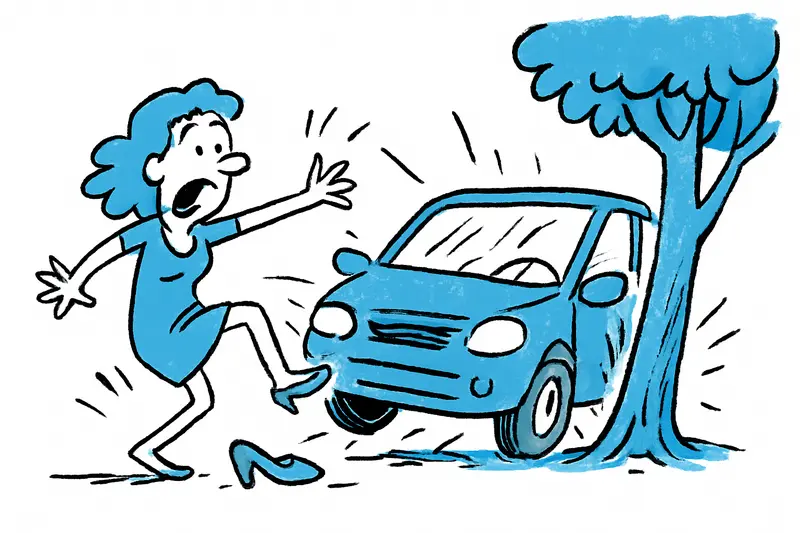
High heel slips, car accelerates: accident on Camí de Son Hugo
A woman lost a high-heeled shoe on the forecourt of the sports facility at Camí de Son Hugo. The car accelerated, mounte...
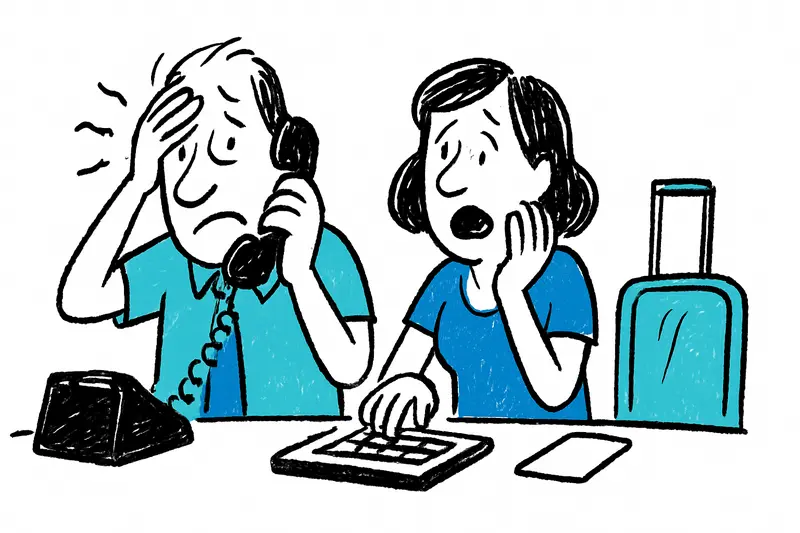
Phone Scam: How Two Hotel Employees at Playa de Palma Lost Thousands of Euros
One morning in September, two reception employees at Playa de Palma were pressured by alleged alarm-company staff — in t...

When the Wallet Becomes a Danger: Attack in Peguera and Lessons for Mallorca
In Peguera, two women are said to have stolen the wallet from a 75-year-old German couple. When the victim intervened, t...
Plata stays Plata: Young people take over, Llonguets remain
A small bar on Carrer de l'Argenteria will continue: Tolo Serra hands the place over to young Mallorcans at the end of t...
More to explore
Discover more interesting content

Can Cap de Bou

Townhouse Lleo 72
