
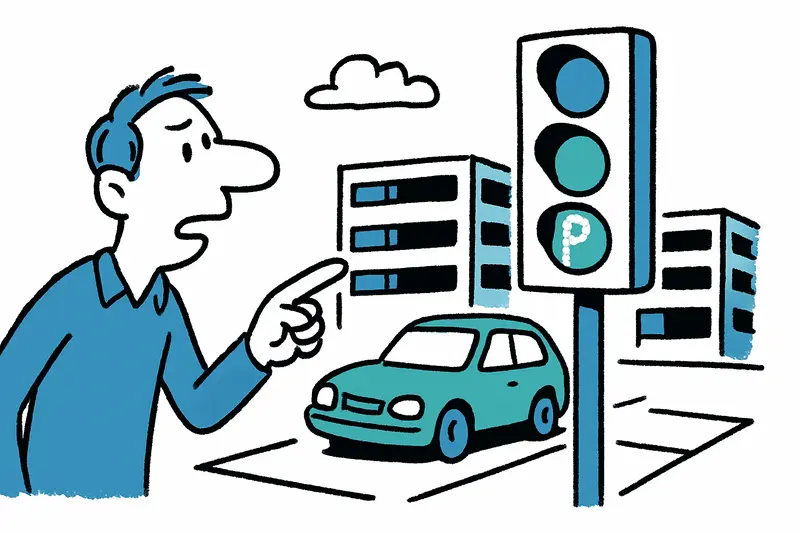
Palma modernizes car parks: lights indicate available spaces
Palma modernizes car parks: lights indicate available spaces
Two car parks in Palma will get sensors and lights indicating free spaces. A small step against cruising traffic — with noticeable benefits for residents and visitors.
Palma modernizes car parks: lights indicate available spaces
In Palma, the hunt for a parking space in two municipal parking garages will soon be less nerve-wracking. The municipal parking company SMAP has decided to install a system with individual sensors and colored indicators in the car parks on Calle Manacor and Marqués de la Sénia. Anyone who has ever rattled around the roundabouts around the old town with squealing tyres knows how welcome this is.
How the system works
A parking sensor sits on every parking bay and reports whether the space is occupied. Via small red and green lights above the individual bays, drivers can see at once: green means drive in, red means keep looking. In addition, large signs at the entrance inform about availability in real time. The technology is not futuristic: SMAP already operates similar systems in Santa Pagesa, Vía Roma and Antoni Maura.
Early in the morning, when the cafés on Passeig del Born are just letting the espresso steam and the street sweepers are gathering the last leaves, the relief is tangible. Fewer cars circling means less honking, fewer exhaust fumes and more air to breathe — especially in the narrow alleys around Plaça Major.
What residents and visitors will notice
For commuters who go to the city centre daily, predictability is often the most important asset. A parking guidance system reduces uncertainty on arrival: it saves time — and nerves. Local business owners are pleased because customers no longer cruise the area for long but arrive more quickly. And those returning to their car after dinner feel safer because the systems also show occupancy and thus help avoid dark corners.
From an ecological point of view the effect is small but concrete: less search traffic means lower CO2 emissions in the city centre. In summer heat, when the air shimmers over the city, this is a noticeable gain for the microclimate in the street canyons.
What still needs consideration
The new technology is a piece of everyday relief but not a cure-all. To increase the benefits, it would be worthwhile to network it with municipal traffic information: free spaces could, for example, be fed into city apps or traffic displays. It would also make sense to consider installing charging points for electric cars in future deployments or to plan reserved areas for motorcycles and delivery vehicles (Palma makes parking digital: No more ORA stickers – opportunities and risks, No more blue stickers: Palma opts for digital parking permits – Are the city and seniors ready? and Palma: Residents can renew parking permits online from today – blue ORA sticker removed).
Another issue is accessibility: while the signal technology helps in finding a space, sufficiently wide bays and clear routes from the car park to the street must still be provided. Good lighting and clear pathways are just as important here as the indicator lights.
Looking ahead
Extending smart parking technology to more car parks could make Palma more relaxed — especially at rush hour and on weekends when the city is lively. What I often notice in Palma: small, practical improvements quickly make a big difference in everyday life. A parrot doesn't crow, but a free parking spot at the end of a long search brings comparable joy.
The new technology in Calle Manacor and Marqués de la Sénia is not a miracle cure, but a sensible step. It addresses the needs of those who commute through Palma daily and makes the city a bit more efficient. When the signs light up soon, you might hear a few engines less annoyed on the corner and instead more conversations on the way to the café.
Frequently asked questions
How do the new parking lights work in Palma?
Which car parks in Palma are getting the new space indicators?
Does a parking guidance system really make it easier to find a space in Palma?
Is parking in Palma better early in the morning?
Does smart parking help reduce traffic and emissions in Palma?
Is the new parking system in Palma useful for people going into the city centre every day?
Why is good lighting still important in Palma car parks?
Is Palma planning to add more smart parking systems in the future?
Similar News

Rental Car Theft in El Arenal: What This Incident Reveals About Our Gaps
A teenager steals a running rental car in El Arenal, flees on foot, climbs over walls and is caught by the Guardia Civil...

Red Rope in Palma's Library: What Helps Against Selfie Tourism — and What's Missing
Palma's city library cordoned off an area with a red rope to keep selfie tourism away from reading and working activitie...

Fort San Carlos: Museum, Harbor Dispute — and a Conflict That Demands Answers
The military museum at Fort San Carlos sits right on Palma's harbor, with unexpectedly quiet rooms filled with cannons a...
Old Town Under Pressure: When a Doorway Becomes a Sleeping and Shower Place
For months a woman has been living with a parasol, a clothes rack and personal belongings next to the social welfare off...

When Shopping Weighs Heavier: Mallorca Demands a Tax Pause on Food and Fuel
Rising prices are putting pressure on households and agriculture. The Balearic Islands are calling for temporary tax rel...
More to explore
Discover more interesting content

Can Cap de Bou

Townhouse Lleo 72
