
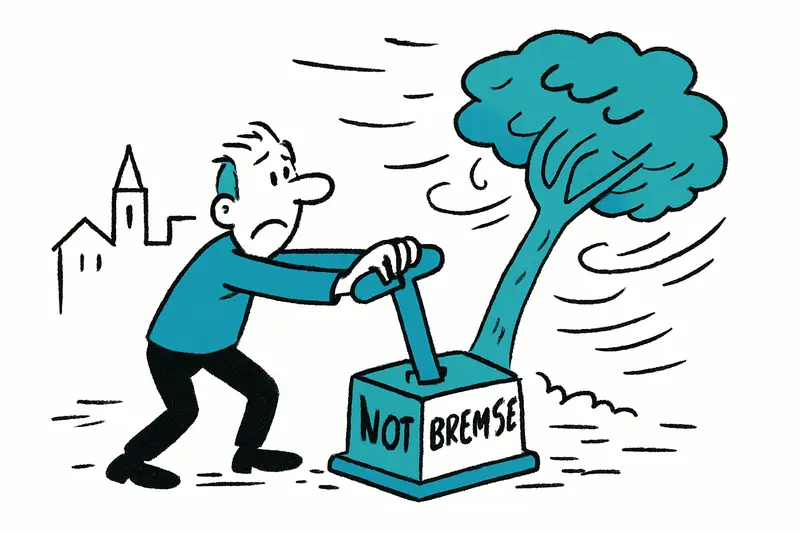
Palma pulls the emergency brake: Paseo Sagrera and major parks closed due to storm
Palma pulls the emergency brake: Paseo Sagrera and major parks closed due to storm
Strong gusts of wind prompted Palma to close Paseo Sagrera and several large parks as a precaution today. Flight delays and gusts up to 150 km/h were recorded in the Serra d’Alfàbia. What is going well, what isn't — and what should the city do differently now?
Palma pulls the emergency brake: Paseo Sagrera and major parks closed
Today the city of Palma has, as a precaution, closed Paseo Sagrera and the parks Bellver, Can Terrers and Ribera to visitors until approximately 4:00 PM, according to Parks in Palma Closed: Was the Closure Timely and Sufficient?. A yellow wind warning is in effect across the island, with orange alert levels in central and northern areas and along the coasts, as outlined in Orange storm cripples Palma: parks closed, markets cancelled. There are partial flight delays at the airport, and gusts of up to 150 km/h were recorded in the Serra d’Alfàbia; for traveler updates see Palma de Mallorca Airport passenger information.
Guiding question
Is the current precautionary approach sufficient to effectively protect people and infrastructure in Palma — or are the measures more of a short-term reflex?
Critical analysis
The closures of well-known open spaces are a clear sign: those responsible want to minimize sources of danger. That is correct. But the measure remains limited in scope. A short walk along Passeig Sagrera in the morning showed: blocked entrances, a few remains of barrier tape on the promenade, and isolated pedestrians turning back disappointed. The decision protects pedestrians and park visitors, but does it say enough about trees, loose construction site barriers, advertising signs or roof cladding? Not really.
The announced closure until 4:00 PM is useful because it provides a clear time horizon. At the same time, it remains unclear how flexibly the city will react if the gusts persist longer or are significantly stronger in certain locations. Reports of flight delays at Palma airport are reliable — but they do not answer how travelers on site are cared for or informed when connections are cancelled.
What is missing from the public debate
There is a lack of concrete information for everyday situations: Where can people seek immediate shelter? Which streets are particularly risky for motor traffic? How are temporary danger areas (fallen trees, loose fences) prioritized? And: who is responsible for private properties whose loose objects can become hazardous? The warning is there, but the follow-up questions remain open.
Everyday scene from Palma
In the early morning you could see delivery riders in front of small cafés in Santa Catalina packing up umbrellas and moving café tables against the building walls. On Paseo Sagrera joggers stood bewildered at the barrier tape while palm fronds rolled across the ground like small sails. A tourist with light luggage looked for a taxi; at the airport the departure boards flashed revised times and voices murmured "más tarde" — the typical mix of resigned sighs and pragmatism here on the island.
Concrete solutions
1) Early warning management: In addition to purely meteorological alert levels, the city should publish short-term hazard maps — which squares, streets and construction sites are acutely affected. A clearly visible online status and simple boards at the main park entrances help avoid confusion.
2) Shelters and signage: Temporary weatherproof shelter points at key nodes (stations, airport approaches, main squares) would help visitors and commuters find immediate protection. These need not be elaborate — weatherproof pavilions, clearly marked.
3) Tree maintenance and construction checks: More frequent checks before the storm season, special attention to old pines in the urban area and to loose scaffolding at construction sites. Site operators must be obliged to take securing measures immediately when a yellow alert is issued.
4) Airport and traveler information: The airport would benefit from dedicated contact points for affected passengers, additional digital notices and coordinated shuttle alternatives to make delays more manageable and humane.
5) Communication training: When closures are announced, clear, simple language helps — exactly where, until when, and what alternatives exist — rather than general statements.
Punchy conclusion
Closing Paseo Sagrera and the major parks was the right immediate measure. It shows that the city prefers to be safe. But safety is not just about cordoning off areas — it requires information, infrastructure and planning. Those who live in Palma or visit the island need clear answers instead of vague alert colors. More transparency, clearly visible shelter points and mandatory inspection duties for trees and construction sites would turn a short-sighted reflex into a sustainable protection concept. Until then: stay alert, hold your bags tight and better postpone today's walk.
Frequently asked questions
Why were Paseo Sagrera and several Palma parks closed today?
Is it safe to walk around Palma during a strong wind warning?
What should I do if I have a flight from Palma Airport during a storm?
What weather alerts are currently relevant in Mallorca?
When are Palma's closed parks expected to reopen?
Which parts of Palma are most affected by stormy weather?
What should visitors in Palma do during a storm warning?
Why do Palma authorities close parks before a storm gets worse?
Similar News
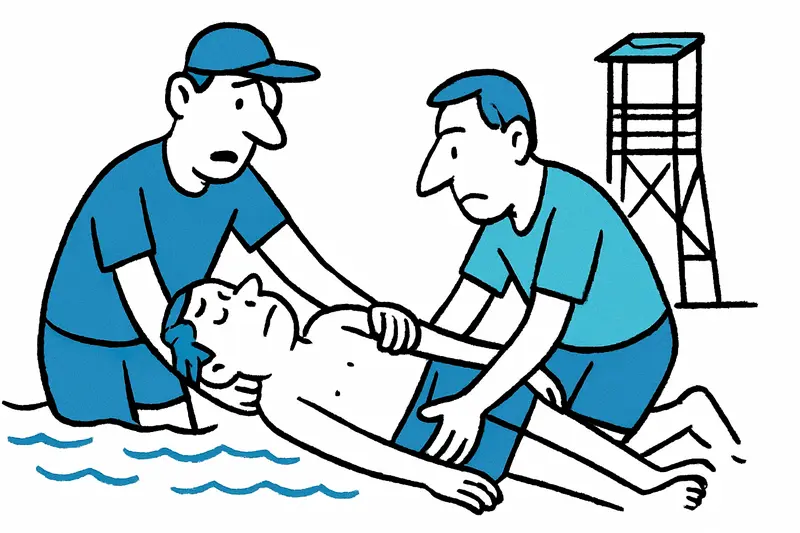
Magaluf: Watchtower Alarm – Lifeguards Pull Unconscious Beachgoer from the Water
After a drama in the late afternoon, two lifeguards at Magaluf beach rescued an unconscious 44-year-old man. He was stab...
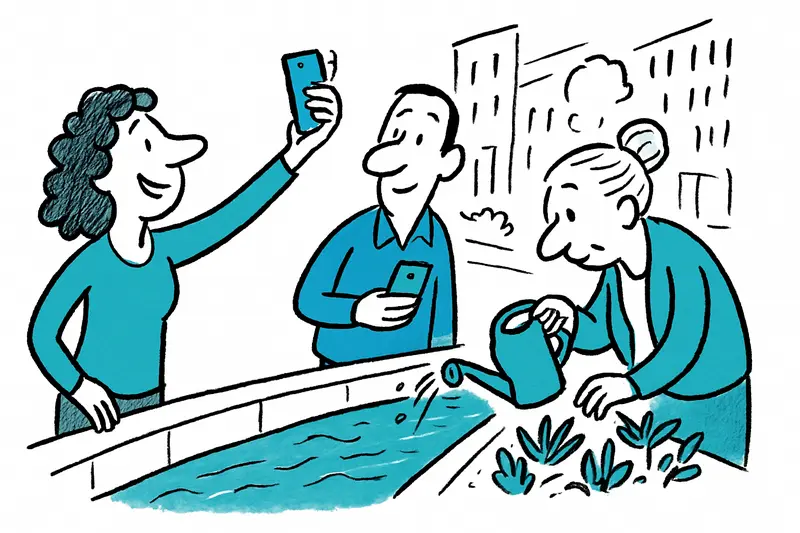
Turquoise in the City: How dangerous is the color play of the Sa Riera?
The Sa Riera in Palma suddenly turned turquoise — a pretty motif, but behind the effect lies a discharge of saline waste...

Jeckliner at Sunnesching: Cologne spirit sets sail from Palma
In September 2027 the Mein Schiff 2 briefly becomes a floating carnival stage: four days with Cologne bands, comedy and ...
Finally Home: Mike and Leyla Heiter Buy Villa with Sea View in Mallorca
The reality TV couple Mike and Leyla Heiter have bought a house in Mallorca with a roof terrace and sea view. An Instagr...
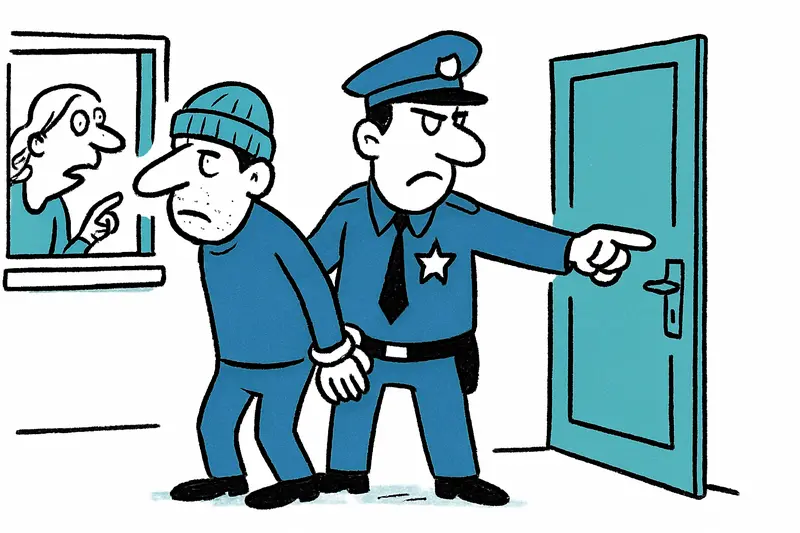
Arrest after series in Palma: Who protects apartments from repeat offenders?
The National Police arrested a man in Palma who investigators say may have broken into several apartments. In one incide...
More to explore
Discover more interesting content

Can Cap de Bou

Townhouse Lleo 72
