
Parks in Palma Closed: Was the Closure Timely and Sufficient?
Due to an orange severe weather warning, several parks in Palma remain closed today — including Parc de Bellver and sections of the Paseo Sagrera. A sensible precaution, but it raises questions about communication and long-term preparedness.
Precaution in Palma: Green spaces remain closed today
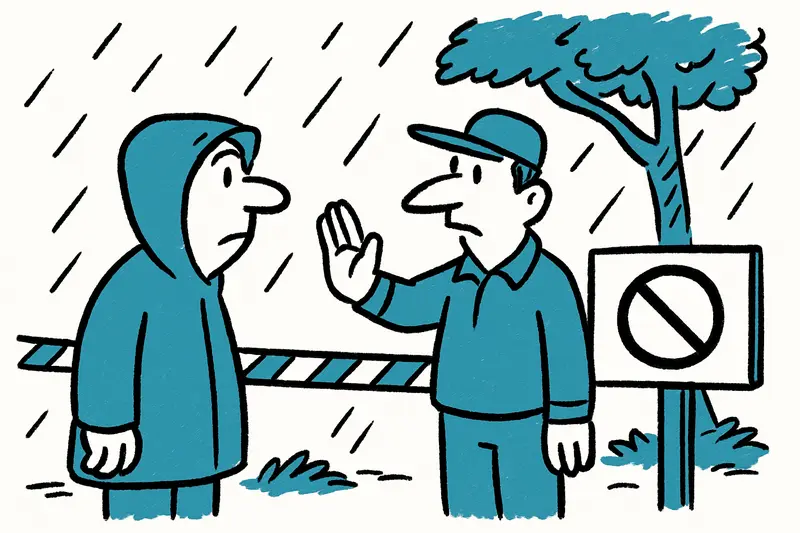
In the morning the rain on the tiled roofs of the old town sounded like a warning. Individual palm and pine trees bent in the gentle, then increasingly strong wind. The Palma city administration reacted: Parc de Bellver, parts of the Paseo Sagrera and other promenades are temporarily closed. Barricade tape and warning signs at the entrances indicate that no one may enter safely.
The central question: Is the closure sufficient — or is more needed?
The key question is not only whether the measure was necessary — which it was in view of the official orange severe weather warning — but whether Palma is sustainably prepared for such events. In the short term, closures protect people from falling branches, slippery paths and possible flooding. In the long term, however, such closures reveal weaknesses in infrastructure maintenance, communication and risk prevention.
On site, shortly before 9 a.m. at Bellver, everything seemed harmless: wet paths, an abandoned park bench and a piece of paper stuck to an edge by the rain. A dog owner in a yellow raincoat disappeared down Carrer de Sa Riera. But in lower parts of the park, where water collects and paths have already been washed out, it becomes clear how quickly a normal rainy situation can turn dangerous.
What is missing now: repairs, prevention, clear instructions
Public reactions understandably focus on short-term safety. Rarely is it examined how often clogged drains, missing drainage or tree crowns not cut in time increase the risk. On the Balearic Islands the number of intense rain events is increasing — a consequence of climatic fluctuations. That means: not only barricades, but concrete renovation plans and regular infrastructure inspections are needed.
Communication could also be more targeted. Many tourists do not know the local warning levels. Multilingual warnings, targeted SMS alerts for registered residents and clear information about which alternative routes are safe would make protective measures more effective. Response teams were already active on the streets around Plaça de España and along the Ma-20 — which shows that quick reactions are possible. But how good is the coordination between the city, the transport authority and emergency services really?
Little-noticed consequences
What often gets lost in discussions are the everyday effects for residents and businesses. Closed parks do not just block jogging routes; they can block access for older people, change delivery routes for cafés and make parking spaces in lower areas unusable. The city's recommendation not to park vehicles in low-lying areas is sensible — but affects families without a second car or older neighbors who rely on short distances.
Equally little discussed is how prepared tourist destinations are. Many warning signs do not reach newcomers; information at airports, in hotels or at central tourist points would be helpful here.
Concrete proposals: What Palma can do now
A few realistic short- and medium-term measures could make the city more resilient:
Short term: Multilingual warnings at tourist centers, temporary parking bans in low-lying areas, targeted SMS or app alerts, additional teams for the rapid clearing of clogged drains.
Medium term: Prioritized tree and crown maintenance along busy paths and promenades, regular checks of drainage systems before the rainy season, digital flood risk maps for residents and tourists, training for municipal response teams.
Longer term: Investments in sustainable urban planning solutions: permeable surfaces on paths, retention basins in suitable park areas, and systematic vegetation monitoring that detects risks early.
What you should do now
Concrete behavior rules remain: avoid fenced-off areas, do not park in depressions, use covered alleys or public transport if possible. Listen to local announcements and follow the city's official channels. For acute emergencies, continue to call: 112.
The closures in Palma are currently a sensible precaution. The real task now is to learn from these events: not only to put up warning tape, but to create structures that make future closures rarer and shorter. The rain may be loudly beating on the roofs today, but it must not become a constant overwhelm for the city.
Frequently asked questions
Why are parks and promenades in Palma closed during bad weather?
Is it safe to visit Bellver Park in Palma during heavy rain and wind?
What should I do in Mallorca when there is an orange weather warning?
How well is Palma prepared for heavy rain and storm damage?
Are parks in Palma safe for walking after rain has stopped?
What kind of weather is most likely to close public spaces in Mallorca?
How can tourists in Palma get storm warnings they understand?
What should drivers avoid in Palma during flooding risk?
Similar News

Near-miss on Lanzarote: Landing Ryanair Jet and Iberia Takeoff — what really went wrong
On Lanzarote there was a dangerous incident: A Ryanair flight (FR5910) from Dublin landed on runway 03 while an Iberia E...

Eurowings introduces new Premium Business seats on Mallorca routes
From December 1, selected Eurowings flights to Palma and other destinations will feature eight particularly generous sea...
Car on MA-13 near Inca in flames – a safety check for the island
A vehicle caught fire on the MA-13 towards Alcúdia on Tuesday afternoon. The driver was uninjured, the car was destroyed...

Real Estate in Mallorca: Fewer Buyers, Higher Prices — What's Behind It?
Sales on Mallorca are falling, yet prices continue to climb. Why fewer transactions do not equal relief — and what shoul...
Just Bought — Already Trouble: Water Damage in the Heiters' Villa and What Owners in Mallorca Should Know Now
A newly purchased sea-view property — and within days a water damage. What risks lurk in new properties in Mallorca, and...
More to explore
Discover more interesting content

Can Cap de Bou

Townhouse Lleo 72
