
Pere Garau: 45 new trash bins – will they make the streets cleaner?
The municipal utilities installed 45 new 120‑liter bins. A sensible step, but is more capacity alone enough to keep Pere Garau permanently cleaner?
More volume, more order — or just a bandage?
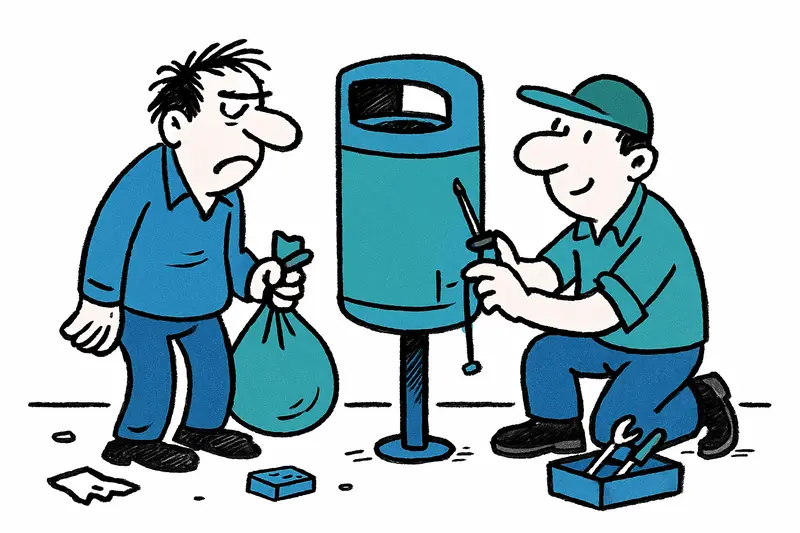
Early morning in Pere Garau: bakers roll out bread, the last tomatoes are being sorted at the market, and somewhere in a quiet corner workers are screwing new trash bins to the posts. The municipal utilities have installed 45 containers with a capacity of 120 liters — visible, tangible and placed right next to the spots where, in summer, boxes and bags usually grow into small waste landscapes. A pragmatic intervention; the city invested €14,000. But the central question remains: is that enough?
The simple narrative — and its gaps
At first glance the concept makes sense. Larger containers at heavily frequented points should prevent overflows, optimise emptying routes and reduce odour problems in Palma's hot summers. For residents like Rosa, who has lived in the neighbourhood for two decades, it is a relief: "When the bins are full, people just leave rubbish next to them. Now there's space." A full bin is undoubtedly better than a pile of boxes on the pavement.
But the measure faces a phenomenon often seen on the streets around the market: it's not only capacities that matter. Habits, times of use and logistical details play a role. Boxes that are not folded, bags left outside overnight, and the unwelcome habit of leaving bulky waste next to the containers — these are problems that no additional bin alone will solve.
What is often neglected in the discussion
First: cleaning and maintenance. New bins improve the streetscape only as long as they are regularly cleaned and kept in working order. Who pays for the cleaning, and how often does it happen during market week? Second: location strategy. A bin at a bus stop helps as long as the bus stop is not suddenly moved or delivery traffic doesn't block the corner. Third: night dumping and illegal disposal. Many deposits occur outside regular collection times — here controls, lighting and possibly locks are needed.
Other aspects often remain unmentioned in the public debate: How well are the containers protected against rats? Are they designed so that wind cannot blow plastic bags out? And how does the 120‑litre volume fit the real collection intervals and the waste volume on market days with more tourists?
Concrete: opportunities, risks and suggestions
The 45 new bins are not a mistake — they are one building block. To amplify their effect, the municipal utilities and the Pere Garau community should consider the following points:
1. Sensors and data collection. A simple fill-level sensor on some pilot containers could show whether 120 liters is sufficient and how waste generation is distributed over time. Such data legitimises later decisions and saves trips in the long run.
2. Cleaning and maintenance schedule. New intervals for cleaning at market and hot spots, documented inspections and a clear responsibility profile for damaged containers.
3. Better local information. A few signs at the market, notices for shopkeepers and a short flyer in several languages can help: fold boxes, put out waste during the day, report bulky waste.
4. Closer coordination with market management. If market days and emptying schedules are synchronised, the likelihood that containers overflow between collections decreases.
5. Consistent enforcement against illegal deposits. Small fines combined with visible enforcement have shown quick effects in other neighbourhoods, for example Binissalem Suffocates in Waste: Who Cleans Up - and Who Pays?. Politics should weigh prevention against sanction: more awareness measures or stricter penalties?
Start simply — and measure
What stands out: many good solutions require not only money but organisation. The €14,000 for 45 bins is a manageable amount; the more interesting question is whether it becomes a learning process. If monitoring is introduced, residents are involved and the municipal utilities respond flexibly to measured peaks, then this is not just a patch but a first building block for a cleaner neighbourhood; local civic actions such as Where is my tree? Pere Garau marks the gaps in urban greenery illustrate that engagement.
In the coming weeks it will become clear whether the additional places on Carrer de Manacor, at bus stops and next to the greengrocer actually change Saturday market time — or whether the usual problems simply shift elsewhere. Anyone who has an idea where another bin is needed can report it. Even better: bring one less bag onto the street. Small rules that together can achieve big results.
In the end it is a community task: city, retailer, market visitor and dog — everyone has their part. The bins are there; now everyday life must follow.
Frequently asked questions
Will the new rubbish bins in Pere Garau actually make the streets cleaner?
Why do rubbish problems get worse around Mallorca market areas in summer?
What should residents and shopkeepers in Pere Garau do with cardboard and bags?
Are larger rubbish bins enough to stop illegal dumping in Mallorca?
Where in Pere Garau have the new bins been placed?
How much did the new bins in Pere Garau cost?
How can Mallorca neighbourhoods prevent rubbish bins from overflowing?
Who is responsible for keeping Pere Garau’s streets clean?
Similar News

Maribel: Five Decades of Service – Housekeeper from Peguera Celebrated with a Special Honor
Over 50 years in the hotel business: María Isabel “Maribel” Molinos was honored in Palma at the Nit del Turisme by Unive...
Orange Alert over Parts of Mallorca: Are We Prepared?
Dark clouds and an announced wet spell have triggered an Orange alert in parts of Mallorca. A reality check: what's miss...

Sundair & Co.: Sale speculation and what it could mean for Mallorca
Rumors about a possible sale of the airlines Sundair and Fly Air 41, which belong to Schauinsland-Reisen — and whether b...
Anne Wünsche in Mallorca: A job offer with a catch — who fits the role of personal assistant?
Influencer Anne Wünsche has left Berlin and is urgently looking for a full-time personal assistant in Mallorca. Why the ...

Daily from New York: Palma Between Boom and Strain
United will increase the Newark–Palma route to daily flights in 2027 using Boeing aircraft (231 seats). What does the in...
More to explore
Discover more interesting content

Can Cap de Bou

Townhouse Lleo 72
