
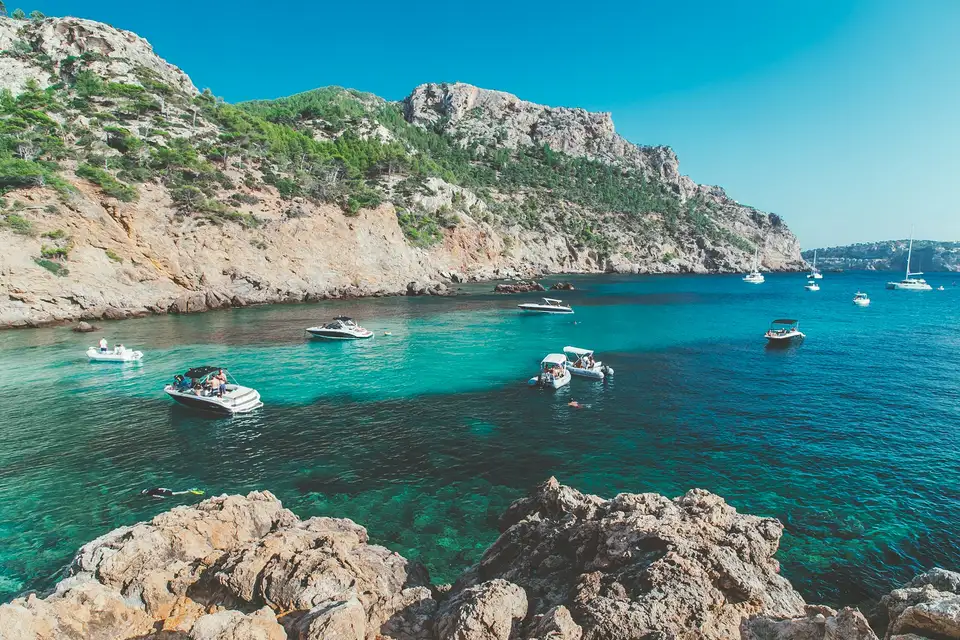
Six beaches in Palma now smoke-free – voluntary, friendly, for the children
Palma has now extended the "Espais sense fum" initiative to six heavily frequented beaches. Signs have been posted since Monday asking visitors to voluntarily refrain from smoking — supported by the Spanish Cancer Society. A win for families and cleaner sandy beaches.
Six beaches in Palma now smoke-free – voluntary, friendly, for the children
The city relies on education and consideration instead of punishment
On Monday new green information boards appeared at six beaches in Palma: Es Carnatge, Ciutat Jardí, Es Penyó, Can Pastilla, Cala Major and Cala Nova are now among the areas where visitors are asked to refrain from cigarettes, vapes and other tobacco products. The measure is part of the "Espais sense fum" program and was presented together with the Spanish Cancer Society (AECC) – on the beach of Es Carnatge, where fishing boats cut the horizon in the morning and the first joggers measure the sand.
Important to know: this is not a police-enforced ban, but a voluntary arrangement, in line with the Balearic government's position that rejects a nationwide smoking ban on beaches and terraces. The city wants to ensure with signs, information campaigns and prevention offers that smoking in beach areas becomes uncommon. That is intentional: voluntariness should bring visitors and residents along rather than alienate them.
Those sipping coffee on the promenade in Can Pastilla see the new boards as much as families unpacking umbrellas in the afternoon. Many holidaymakers know the salt, the children's noise and unfortunately also cigarette butts in the sand. The new signs remind people that smoke-free beaches smell nicer, there is less litter in the surf and toddlers are less likely to step on cigarette butts – small insights that quickly matter in everyday life.
The AECC plans accompanying information and prevention campaigns. Its goal: to reach young people early and denormalize smoking in leisure areas. Since 2025 there have already been around 60 parks and green spaces in Mallorca designated as smoke-free zones; now the bathing areas are being added. The wider legal and policy context is discussed in Smoking Ban in Mallorca: What the New Law Means for Terraces, Playgrounds and E‑Cigarettes. For parents, beach vendors and lifeguards this means: less smoke on the sunbeds, fewer disputes with tourists and a clearer message to children.
You can see it in the morning at Es Carnatge: a lifeguard hangs the flag, an older gentleman fills his water bottle at the fountain with his dog, and the sign with the smoke-free notice stands next to the footpath. It is not a 'ban police' moment, rather an invitation to considerate coexistence. Those who still need a cigarette can step aside – the signs do not state that explicitly, but the social consensus is meant to grow.
For Mallorca this means several positive effects: cleaner beaches, fewer toxins in the sand and the sea, and a friendlier environment for families. Tourist spots like Cala Major or Can Pastilla live off a good impression – less smoke is clearly part of that. The initiative also fits into a larger trend: designing public spaces so healthy habits are easier to adopt.
How can everyone help? Quite practically: use ashtrays at the beach access points, do not throw cigarette butts in the sand, politely point visitors to the signs – without a wagging finger. Restaurateurs and beach service providers can support with small stickers and information. The AECC also wants to distribute materials so the message gets across – in German, English and Spanish so holidaymakers understand the point.
The outlook is optimistic: if the new routine takes hold, more beaches and places could follow. The end of the smoking habit at the water will not come overnight, but every saved breath on the beach counts. For Mallorca this means: more room to breathe, especially for the next generation building sandcastles here and hopefully growing up in a smoke-free environment.
In the end it is a simple question of respect: those who like the beach, sun and children's smiles quickly find a reason to put the cigarette aside. And if someone needs a break after all, they can step a few steps back – it's about civilized coexistence, not bans. You notice it already on the first walk by the sea when the wind makes the promenade smell fresher and the sand shine cleaner.
Outlook: With the six beaches in Palma another building block is in place. The combination of signs, prevention and voluntariness could set an example for other municipalities, reflecting the regional preference described in Balearic Islands Choose Voluntariness Over Blanket Ban: A Critical Look. For the island this is a small but noticeable gain in quality of life.
Frequently asked questions
Are Palma's beaches now smoke-free?
What does voluntary smoke-free mean on Mallorca's beaches?
What is happening at Es Carnatge with the new signs?
How will Can Pastilla be affected by the smoke-free signs?
Is Cala Major included in the new smoke-free beaches?
Why is Palma promoting smoke-free beaches?
How can visitors help support the smoke-free beaches in Palma?
Could more beaches in Mallorca become smoke-free in the future?
Similar News
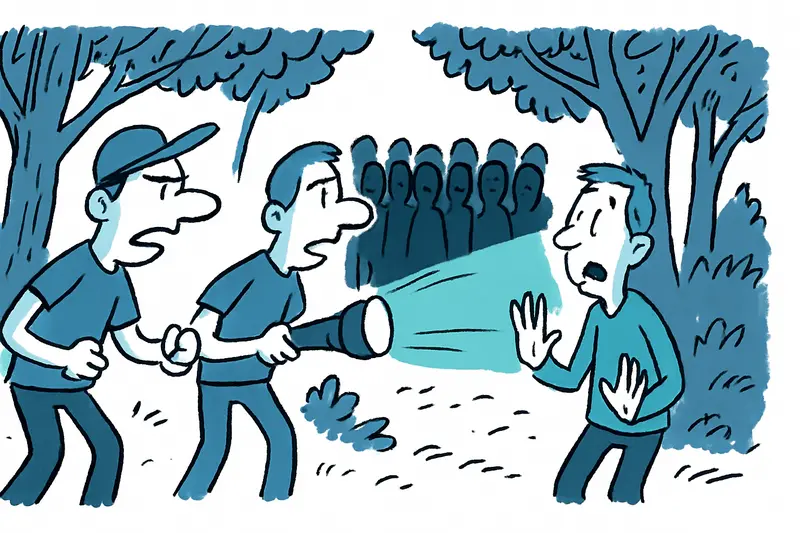
Fear in the Sa Teulera Forest: Youth Groups Harass Cruising Zone in Palma
In the wooded area of Sa Teulera, those affected report verbal attacks, property damage and intimidation. How safe is th...
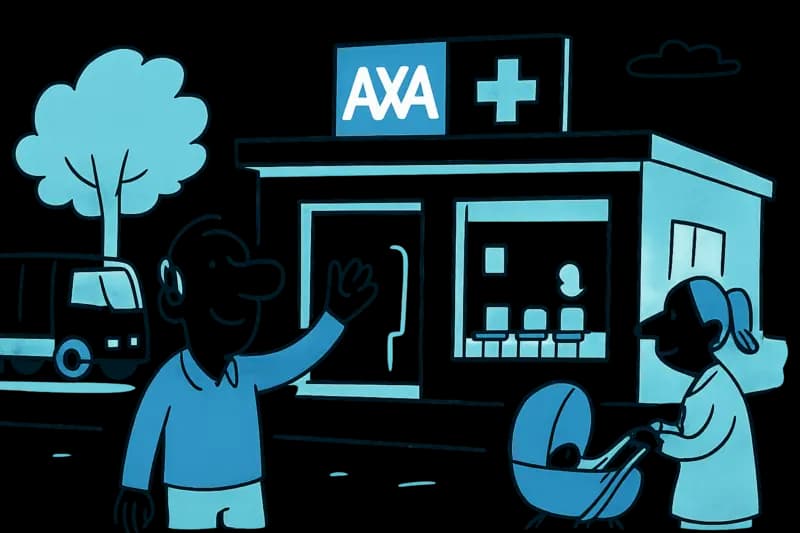
Axa opens first health center in Palma: €3 million, 650 m² and more local access for La Vileta
In the heart of La Vileta, Axa has opened its first own health center in Mallorca. On around 650 square meters and with ...

30 Years of Nit de l'Art: What Palma's Art Night Really Shows — and Conceals
Nit de l'Art celebrated its thirtieth anniversary: full galleries, young visitors — and the quiet tensions between the a...
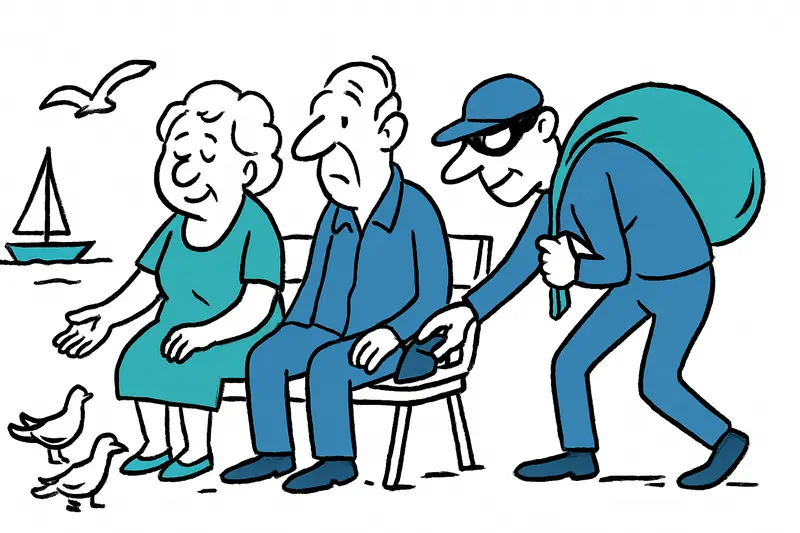
Hunt for Older Holidaymakers: Arrests after Suspected Pickpocketing in Port d'Andratx and Bellver
Five suspects were arrested after investigators accuse them of targeted pickpocketing of elderly tourists in Port d'Andr...
Knife stabbing in Magaluf: Why it must not remain an isolated incident
A 21-year-old tourist was stabbed in the chest in Magaluf and is in life-threatening condition. A reality check: what's ...
More to explore
Discover more interesting content

Can Cap de Bou

Townhouse Lleo 72
