
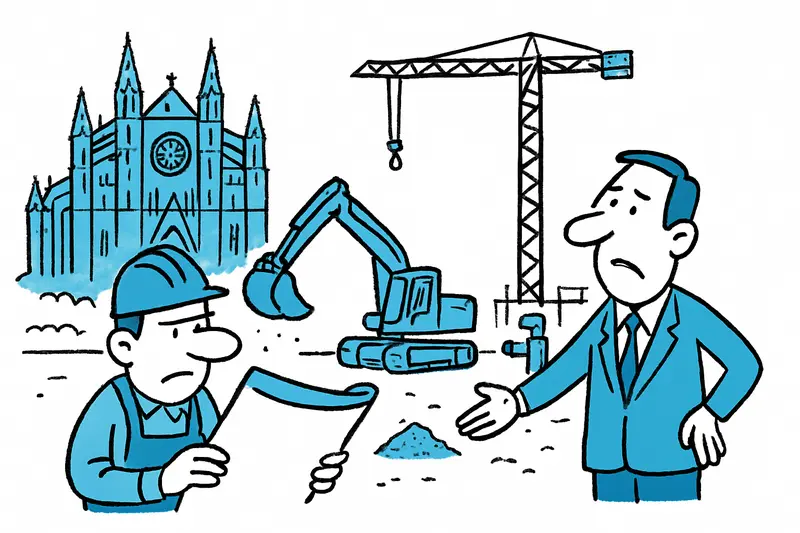
Parc de la Mar: 20 months of construction – curse or opportunity for Palma?
The second phase of the renovation at Parc de la Mar is scheduled to begin in the second half of 2026 — about 20 months of construction, 24,000 m², nearly €9.4 million. Why the work is necessary and how Palma can turn the burden into an opportunity.
Parc de la Mar: 20 months of construction – curse or opportunity for Palma?
Under the huge silhouette of the cathedral, digging will soon resume. The city has approved the second phase of the renewal of Parc de la Mar: start in the second half of 2026, duration about 20 months, area around 24,000 square meters, costs just under €9.4 million – about six million of which come from the eco-tax. Those are not small numbers. The real question, however, is: How will this long construction site affect life around Platja de Can Barbarà and what benefit will it bring in the end?
What's planned — brief and concrete
The measures sound practical: the waterproofing over the car park will be renewed, paths and paving slabs replaced, stepped seating and benches refurbished. Lines for lighting, irrigation, drinking water and telecommunications are to be modernized. Listed elements will be carefully restored, ramps and tactile elements for the visually impaired added. The planners promise to preserve the historical appearance and to emphasize the sightline between the cathedral and the sea.
Daily life will get bumpy — that shouldn't be downplayed
In the mornings, when the church bells still smile and the seagulls screech for rolls, dog owners, retirees with thermoses and photographers fill the Parc. For them a large construction site means more than dirt and barrier tape: altered routes, noise and evening closures. The city plans staggered construction phases instead of a full closure — which is positive. Nevertheless, 20 months is long enough for habits to suffer. Anyone who walks daily along Carrer de Antoni Maura must expect detours and partial closures. For shopkeepers in the area, footfall and evening strolls could noticeably decrease.
Under-discussed issues
A few points seem underrepresented in the public discussion. First: the use of eco-tax funds. Six million euros is a lot of money; transparency in cost allocation and detailed accounting would be important so citizens understand what the levies are being used for. Second: logistics and traffic. Construction site access, delivery traffic and temporary storage areas do not appear from nowhere and can further burden narrow streets, parking options and supply chains. Third: accessibility during the works. What good is a perfect ramp after the renovation if people with walkers or strollers have to take long detours during the construction period?
Concrete opportunities — and how to actually use them
The renovation is not only a burden, it offers real potential: more modern infrastructure, water-saving irrigation, more durable materials and a permanently functioning waterproofing over the car park. To ensure this doesn't become a half-finished miracle in concrete dust, I suggest practical measures:
- Transparent time windows: A detailed phased plan with realistic detours for pedestrians and barrier-free alternatives, visible on information boards on site and online.
- Noise-sensitive working hours: No early shifts with jackhammers at six o'clock, a ban on loud work at night and consideration on weekends — the morning thermos can stay.
- Preserve sightlines: Keep important views between the cathedral and the sea open in every construction phase; if necessary, guarantee the photographers' route with temporary, safe pedestrian bridges.
- Participation and oversight: A local construction office, regular updates, a transparent cost report — especially when eco-tax funds are used, citizens should be able to track what was paid for.
- Green start: Plant young trees early (with protection), use modular seating steps and create tactile temporary solutions so that mobility impairments are minimized and the park feels usable immediately after construction.
Conclusion: Practical work rather than romance — but with perspective
Parc de la Mar belongs to Palma like salt belongs to the sea. The renovation is necessary, that is indisputable. What matters is how the city shapes the 20 months: if the works are organized transparently, considerately and efficiently, the construction site can become an opportunity for better infrastructure, more accessibility and a clearer view of the cathedral. If the opposite happens, a long chapter will remain with dust in the shoes and empty benches. So: keep an eye on the notices, ask questions — and hope that in the end there is not just new paving but a place people enjoy returning to.
Note: The exact dates of the construction phases are still pending. Please pay attention to notices on site and the city's information channels.
Frequently asked questions
Will Parc de la Mar in Palma stay open during the renovation works?
How long will the Parc de la Mar renovation in Mallorca take?
What will be improved at Parc de la Mar in Palma?
How will the Parc de la Mar works affect daily life in Palma?
Is the Parc de la Mar renovation in Mallorca using eco-tax money?
Why is Parc de la Mar important for Palma?
Will Parc de la Mar remain accessible for people with reduced mobility?
What should visitors know before going to Parc de la Mar in Palma during the works?
Similar News

Suspicion of Date-Rape Drugs in Palma: Trial, Questions and the Gaps in the Protection System
A German man is on trial at the Palma court accused of rape; prosecutors suspect date-rape drugs were involved. What is ...
Raid at Playa de Palma: When Homemade Bars Become a Problem
Between September 11 and 13 police at Playa de Palma seized 18 speakers and issued 24 charges. Who draws the line betwee...
Burglary in Llubí: Arrest Raises Questions About Security in Mallorca's Countryside
A 21-year-old was arrested in connection with a burglary in Llubí. Cash, jewelry and electronics worth around €40,000 we...

Lost Trust: How a Phone Theft in Peguera Exposes Police Responsibilities
A 90-year-old holidaymaker is robbed in broad daylight in Peguera. His passage through police stations and taxi receipts...
When many security screeners suddenly fell ill: Who protects the passenger?
Short-notice sick reports at a large security company led to long queues at Cologne/Bonn airport. A reality check for tr...
More to explore
Discover more interesting content

Can Cap de Bou

Townhouse Lleo 72
