
Party Tent on the Beach: Police End Drinking Parties at Playa de Palma — A Local Check
Party Tent on the Beach: Police End Drinking Parties at Playa de Palma — A Local Check
Two groups celebrated between Balnearios 4 and 7 — police confiscated speakers, a paddling pool and around 140 drinks. Why fines alone are not enough and what actually helps on site.
Party Tent on the Beach: Police End Drinking Parties at Playa de Palma — A Local Check
What happened that Sunday evening between Balnearios 4 and 7 — and what the island should learn from it
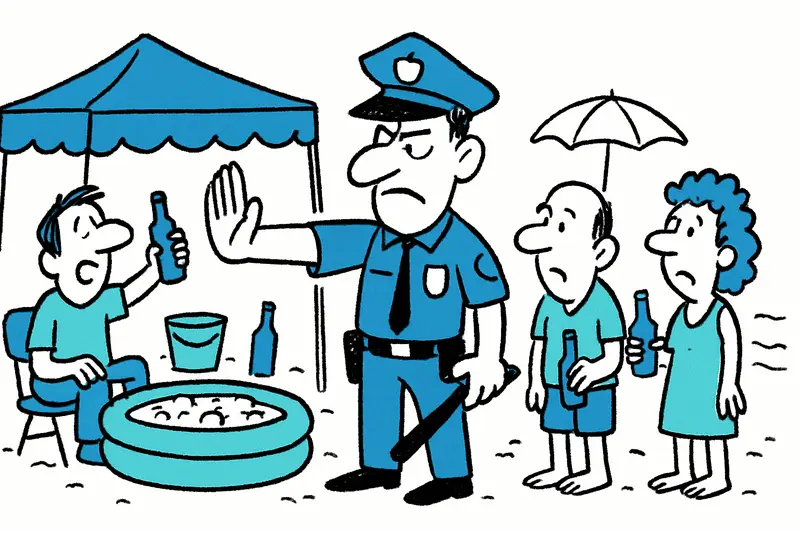
On early Sunday evening, when the heat slowly seeps into the cracks of the asphalt along the Playa de Palma, the local police moved in, as with similar incidents reported in Police stop illegal beach parties at Ballermann 6 – a question of balance. Between balnearios number 4 and 7, officers cleared two groups who had openly gathered on the beach to party. One was a larger group of roughly twenty people with a pitched tent and a large speaker, the other a smaller group of about a dozen people — both were openly consuming alcoholic beverages. Notable: an inflatable paddling pool used as a cooling container, several buckets and a total of around 140 confiscated drinks.
The facts are clear: reports for public alcohol consumption and noise disturbance, the seizure of items, and the warning about potential fines of up to 1,500 euros per person. Palma's municipal ordinance prohibits open alcohol consumption in public places; minors are banned from street drinking in any case. The police reminded in a social media post that the beach is not a party venue for everyone without regard for others, a point expanded in Night raid at Playa de Palma: assessment, questions and what's missing.
Main question: Are checks and fines enough to get the problem of open drinking under control, or does the problem simply shift to other places? That is the debate that is often overlooked. Fines are important, but they only apply when police are present. In addition, a contentious issue arises: is it fair to single out individual tourist groups while others with similar behavior remain undisturbed? This concern surfaced in coverage titled Tumults at Playa de Palma: When Controls Threaten the Beach Scene.
Critical analysis: The current practice appears reactive rather than preventive. Municipal patrols tidy up party spots — this protects the night's quiet in the short term and removes litter — but it does not address the root causes: lack of information, insufficient infrastructure for groups who spend the day on the beach, and an economy that financially rewards loud mass entertainment. Added to this is a cultural friction: for some holidaymakers, loud gatherings are part of the vacation; for residents they mean noise and rubbish-strewn beach sections. Neither can be solved by policing alone.
What is missing from the public discourse: voices from hotels, suppliers of beach equipment, operators of beach boxes and above all from residents of Collins and Platja streets — the people who live with the consequences by day and night. Also missing is a sober data basis: How many such operations take place per summer week, how often are fines actually imposed and paid, and where does the money go?
Everyday scene: It is early, the trash collectors are already there, seagulls fight over bottle caps, a stroller rolls past on the promenade. Plastic cups still lie on the beach, a cable from a speaker hangs between sunshades. Three older couples fold up their towels together and shake their heads. A lifeguard picks up scattered bottles by hand. This is Mallorca in miniature when the revelers are gone — and the bill remains.
Concrete solutions: First, targeted prevention in multiple languages at arrival points (bus station, airport transfers, hotel receptions). Second, temporary 'quiet zones' and clearly marked areas where loud music and tents are prohibited, monitored by beach wardens. Third, responsibility for rental companies: those who rent out beach equipment such as large speakers or party tents should be held liable or required to provide usage instructions. Fourth, increased cooperation between the city, the tourism industry and neighborhood associations — including transparent data on operations and fines, as discussed in Playa de Palma at the Season Finale: Profits, Noise — and Who Pays the Bill?. Fifth, low-threshold alternatives: licensed daytime areas for groups with clear rules, instead of pushing everything into illegality.
Conclusion: Fines and raids are necessary; they set boundaries. But a sustainable solution means making rules visible, adapting infrastructure and bringing all stakeholders to the table. Otherwise, in the end there will only be a clean stretch of sand — and the same problem will pop up a few streets away.
Frequently asked questions
What is the weather like in Mallorca across the year?
When is the best time to visit Mallorca for beach days?
What should I pack for a trip to Mallorca?
How should I get around Mallorca?
What natural spots should I see in Mallorca?
Is Palma a good base to explore Mallorca?
Is it safe to swim in Mallorca's beaches year-round?
What cultural experiences should I seek in Mallorca?
Similar News
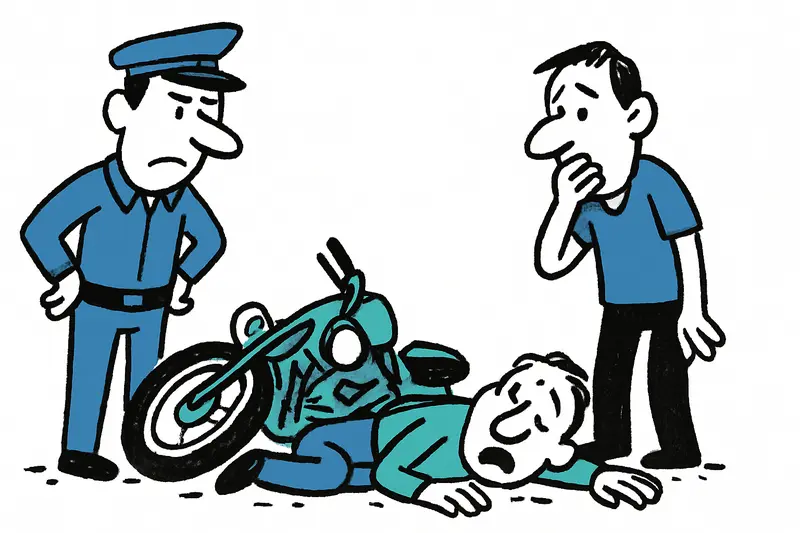
Stolen Motorcycle in Palma: Fatal Crash in Coll d'en Rabassa Shortly After Theft
A motorcycle parked on Plaza Miquel Dolç in Son Gotleu was reportedly stolen in the early hours. Hours later two men cra...
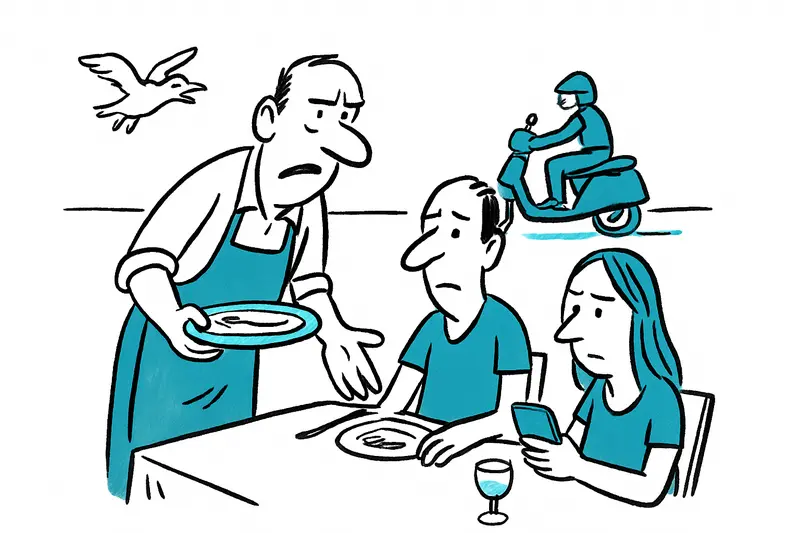
When More Guests Mean Less: Mallorca's Restaurants at the Limit
Despite record visitor numbers, the revenues of many restaurants are shrinking. Why more visitors don't automatically me...
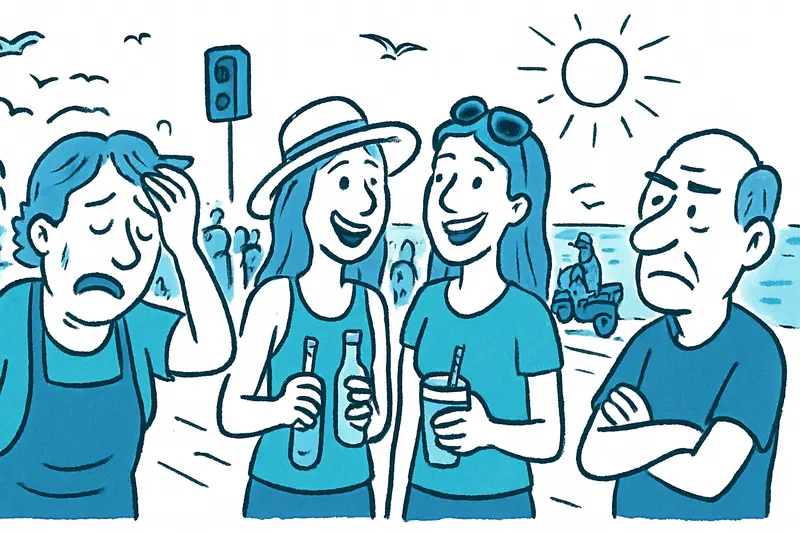
Ballermann 2026: Heat, crowded promenade and rising prices – how much longer?
Bright sunshine, over 35 degrees in the shade and busy venues at Playa de Palma: Tourists enjoy the parties, restaurateu...
Stolen motorcycle, high-speed escape, deadly crash: An accident in Palma that raises questions
A motorcycle stolen in Son Gotleu ended up hours later on the Cardenal-Rossell in Coll d'en Rabassa in a deadly collisio...
Found dead in Son Gotleu: Dog walk ends fatally — what is missing in the investigation?
A 68-year-old man was found dead on Sunday morning on Tomás Rullàn street in Son Gotleu. According to his partner, he ha...
More to explore
Discover more interesting content

Boat Tour with BBQ along Es Trenc Beach

Private transfer from Mallorca Airport (PMI) to Pollensa
