
Persistent rain ahead: What Mallorca's everyday life needs to know now
Aemet announces several days of showers with a peak expected on Monday. A sober reality check: who is at risk, what is missing from the public discourse, and what can residents and municipalities concretely do?
Persistent rain ahead: What Mallorca's everyday life needs to know now
Clear guiding question: How well is the island prepared for several days of rain?
The weather service Aemet says it plainly: the sky will cloud over on Thursday, the first showers are possible, and the precipitation will not be just a short intermezzo, as noted in Weather Change in Mallorca: Are We Ready for a Longer Rainy Period?. At least until next Tuesday, recurring rain is to be expected, with heavier downpours forecast for Monday. The heat will only retreat slowly: from around 32°C in midweek down to about 27°C by Tuesday, and nighttime temperatures will hardly fall below 19°C. Wind gusts are expected especially on the night from Thursday to Friday.
Viewed critically: this is not a distant alarm message, this is practical everyday politics. The question is not whether it will rain, but who will feel the consequences. Mallorca has many valley hollows, dry riverbeds and narrow village through-roads that become problematic when heavy rain starts suddenly. a single heavy shower can trigger flooding in streets, basements and garages; this danger is also highlighted in Storm Alert: Is Mallorca Prepared for the Deluge?. Several days of alternating showers increase the risk of erosion on unsecured slopes and of traffic disruptions.
What has been too short in the public debate so far: the small, mundane preparations of people on site. Do we talk enough about household insurance with an elementar damage cover? About regularly checking gutters and private drains? About storing electrical cables in garages, which can become dangerous as water levels rise? Popular headlines like to show the main roads or harbour facilities, but the ongoing risks often play out in basements, plots and tree-lined gravel beds.
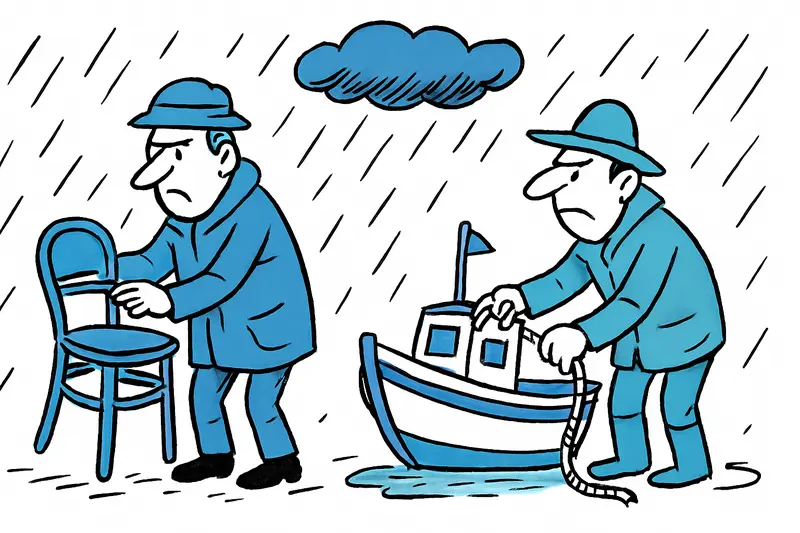
An everyday scene: On Thursday morning I see in Palma on Avenida Jaime III the first cafés stacking their chairs securely. A fisherman in Portixol ties extra lines to his small motorboat. At the Santa Catalina market, stallholders pull tarpaulins over their goods. These are small, precautionary gestures, not spectacular measures — but it is precisely this small work that ultimately prevents a lot of damage; similar reporting appears in Persistent Rain in Mallorca: Are We Really Prepared?.
Concrete, simple measures that help now: 1) Pay attention to warnings from Aemet and follow regional announcements. 2) Check private drains, downpipes and gutters; remove leaves and debris. 3) Do not park vehicles in dry stream beds (torrenteras) or at the foot of steep slopes. 4) Prepare a small emergency kit: flashlight, power bank, first aid kit, waterproof containers for documents. 5) Secure patio furniture, tarpaulins or temporary covers for plants and sensitive equipment in garages. 6) Communicate with neighbours: who has a pump, who can help in an emergency?
For municipalities and those responsible I recommend targeted measures: prioritised cleaning of debris and storm drains at critical points, early information for bus and ferry lines about possible delays, visible collection points for sandbags in low-lying areas and a transparent map with local flood risk zones. Such precautions cost time and staff, but considerably less than subsequent clean-up operations.
What is often missing: a sober assessment of which residential areas and small businesses are particularly vulnerable. Not all damage occurs on the promenade or in the harbour. Gardens, side streets and business yards are overlooked, even though livelihood-threatening damage can occur there; this is addressed in Severe weather on Mallorca: When it really becomes critical — and what's still missing. Municipal preparedness must include these "unspectacular" places.
Those who act now reduce damage and bad mood. A pragmatic tip also for tourists: if you still want to go to the beach, watch the forecasts closely; individual sunny days are possible, but beaches can quickly turn into uncomfortable places with reduced safety during heavy rain. Boat operators and excursion providers often react at short notice, so check in advance by phone or online.
Punchy conclusion: weather warnings are not theories, they are work instructions. When Aemet announces several days of rain, preparation is a local task — from the café owner in the Plaça Major to the highway maintenance crew. Small actions, clear communication and a bit of neighbourly help prevent the most trouble. Let's get to work before the water comes.
Frequently asked questions
How prepared is Mallorca for several days of rain?
What practical steps should I take at home in Mallorca before heavy rain?
Which areas in Mallorca are most at risk when heavy rain arrives?
How should tourists adjust plans during forecasted rain in Mallorca?
What should I include in a small emergency kit for Mallorca rain?
How can neighbours help during heavy rain in Mallorca?
What should Mallorca municipalities focus on to reduce rain damage?
Is driving in Mallorca during rain risky and what should I do?
Similar News

On the Brink: Volotea Fights for Survival — What Palma Can Expect Now
Volotea is negotiating its debts and plans to downsize its fleet. What consequences does this have for Palma, employees ...
New trick at Palma Airport: suitcase stolen from the belt — a reality check
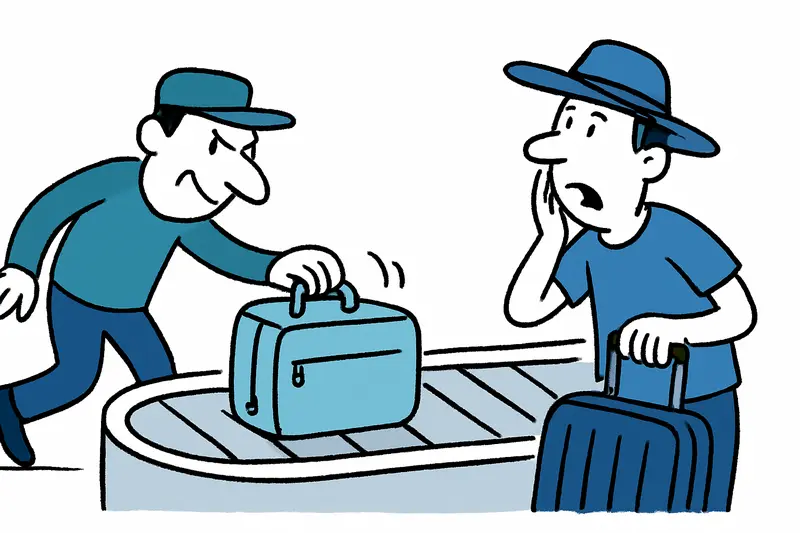
On September 28 a 36-year-old allegedly stole a suitcase from the baggage belt of a 51-year-old German passenger at Palm...
Urgent Clearing of Palma's Torrents: Flood Prevention or Symptom of Short-Sighted Planning?
The city of Palma is responding to storm forecasts and has cleared several torrents. We ask: Is the short-term clearing ...

Evaneos and Mexico: A Reality Check for Sustainable Travel
Travel advertising often reads like a promise: local, sustainable, unique. But how deep do these promises really go? A c...

From Megapark to the Altar: Party Singer Now Offers Weddings in Mallorca
A well-known party artist combines partying and marriage: instead of a traditional church there are ceremonies at the Me...
More to explore
Discover more interesting content

Can Cap de Bou

Townhouse Lleo 72
