
Pickpocketing at Ballermann: What the intervention of two off-duty police officers shows
Pickpocketing at Ballermann: What the intervention of two off-duty police officers shows
Two off-duty officers stopped two suspected pickpockets near Playa de Palma and secured the victim's phone and wallet. The incident raises questions about safety at Mallorca's busiest beaches.
Pickpocketing at Ballermann: What the intervention of two off-duty police officers shows
Key question: How vulnerable are tourist hotspots like Playa de Palma — and what concrete steps are needed so that holidaymakers are no longer so easily targeted?
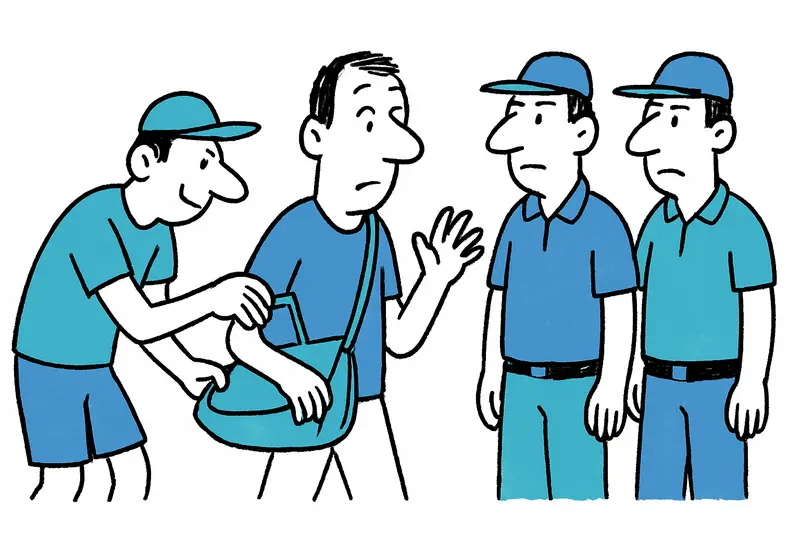
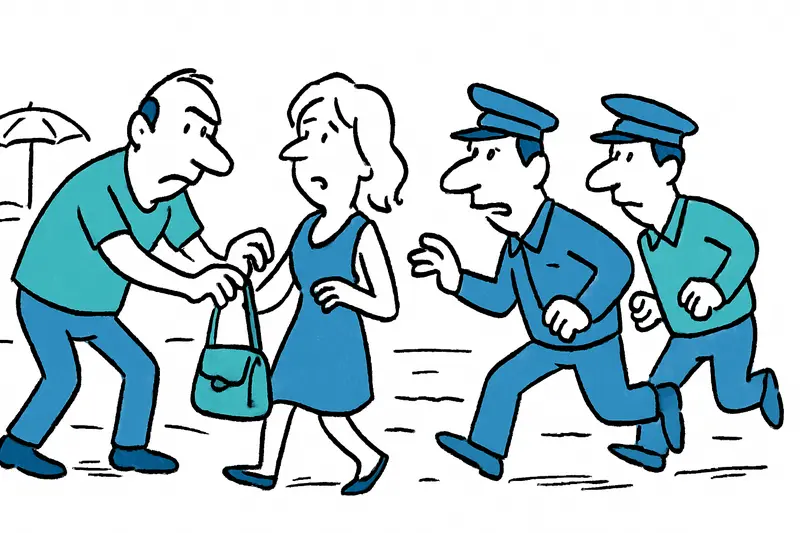
Late afternoon at Playa de Palma: the music from the beach bars blasts, vendors shout along the promenade, English and German voices mix with Mallorcan locals. In this scene two police officers, off duty, apparently observed two men targeting several holidaymakers. One of them reached into a tourist's shoulder bag, took a smartphone and a wallet, and passed the loot to his companion. Shortly afterwards the two suspects were stopped by the officers; the phone (worth around €800) and the wallet containing about €50, a bank card and identity documents were secured. The tourist identified the items, the men were arrested and taken to the station.
The intervention by plainclothes officers shows two things: first, that quick observation and civic courage can work; second, however, that the regular security presence at heavily frequented beaches apparently is not sufficient to permanently stop pickpockets. That one of the suspects changed his clothes during the escape to hinder identification is not a new trick. Such improvised disguises work particularly well where many people gather and control is loosely structured.
Critical analysis: Pickpocketing on beach promenades is not just "annoying" — it undermines the sense of safety in entire resorts. At places like Ballermann several risk factors come together: dense crowds, alcohol, tourists' inattention and days with especially high visitor numbers. At the same time thieves are often well practiced, work in pairs and know visitors' routines. Public patrols alone are not enough; coordinated measures between police, municipalities, businesses and hotels are needed.
What is missing from the public debate: concrete figures and time frames. How many thefts occur on average per week at Playa de Palma? At what times of day does the police record most cases? How is staff allocated between prevention and response? Such data would help plan targeted deployments instead of relying solely on reactive arrests. Also often missing is a clear message to tourists: simple behavior rules in multiple languages, visible notices and guidance at hotel check-ins could raise awareness.
Everyday scene from Mallorca: in the morning the promenade is still relaxed, delivery vans parked, cleaning staff sweeping sand to the drains. From early afternoon the beach area fills up, children build sandcastles next to rows of sunbeds, vendors push carts and shout — typical sounds that also provide cover for pickpockets. I often see people leaving their phone lying openly on a towel, or groups where nobody watches the bags while others dance or fetch a beer. Such small lapses are invitation enough.
Concrete solutions: first, more visible and plain-clothes patrols during peak times, coordinated with fixed time windows. Second, greater involvement of beach businesses: short trainings for bar and kiosk staff on how to spot suspicious groups and a clear reporting chain to the police. Third, information campaigns in multiple languages at arrival points (airport, bus stations), in hotels and on booking platforms — short tips, not moralizing. Fourth, technical measures: targeted camera points at critical sections of the promenade with a clear data protection concept; more secure lockers near the beach. Fifth, better statistical transparency from the authorities so resources can be distributed according to need.
Why this can work in Mallorca: the island lives off tourism, and many stakeholders have an interest in calm, safe beaches. Processes can be improved step by step: a short-term deployment plan for weekends, joint operations by Guardia Civil, Policía Local and Policía Nacional, and procedures so that restaurateurs or hoteliers can report suspicious cases more quickly. Such coordinated measures take time and organization, but they pay off because they strengthen guests' trust.
Pointed conclusion: That two off-duty officers intervened here was right and commendable — but not a lasting strategy. Those who want real security must change routines: more prevention, more transparency in the numbers, and simple behavioral rules for visitors. Until then, pickpockets will continue to exploit small gaps in everyday life. Best advice for holidaymakers: don't leave valuables lying visibly, keep bags closed and worn on the body, and if you suspect something call 091 or alert a uniformed patrol immediately.
Frequently asked questions
When is the best time to visit Mallorca for sunny weather and outdoor activities?
What should I pack for a Mallorca trip?
Are Mallorca beaches good for swimming throughout the year?
What are good hiking options in Mallorca?
What’s the best way to get around Mallorca without a car?
What’s the weather in Mallorca like across the seasons?
Where can I find local Mallorca markets and what should I try?
Is Mallorca a good destination for families with kids?
Similar News
When Rescuers Stand Down: Why the Lifeguards' Strike in Calvià Is More Than Just a Loud Bang
Lifeguards in Calvià have called a strike for August 23. What's behind the conflict, what risks are looming — and what i...

Short Jump, Big Fright: Pregnant Holidaymaker Falls on Rocks at s'Arenal
A 29-year-old British woman, ten weeks pregnant, jumped into the water near the jetty at s'Arenal on Monday afternoon — ...

Who Pays the Price? Why Holidaymakers in Mallorca Are Now Skimping on Excursions and Taxis
Several bus companies report idle capacity, and taxi drivers notice more cautious guests. Our guiding question: How deep...
Off-duty police officers stop thieves at Ballermann – a reality check
Two off-duty police officers observed on Playa de Palma how two men stole a tourist's phone and wallet. What does the in...
Two Children on a Windowsill: A Nightmare Raising Questions About Supervision Duty in Mallorca
In Palma, two minors balanced on a narrow third-floor windowsill while the grandfather responsible for supervision slept...
More to explore
Discover more interesting content

Boat Tour with BBQ along Es Trenc Beach

Private transfer from Mallorca Airport (PMI) to Pollensa
