
Arrest at Palma Airport: Playa Operator Suspected of €700,000 COVID Aid Fraud
A well-known operator at Playa de Palma was arrested at Son Sant Joan. Investigators say around €700,000 in allegedly wrongfully obtained COVID aid is involved. What this means for the island's gastronomy and the oversight of subsidies.
Arrest at the terminal: investigators move in
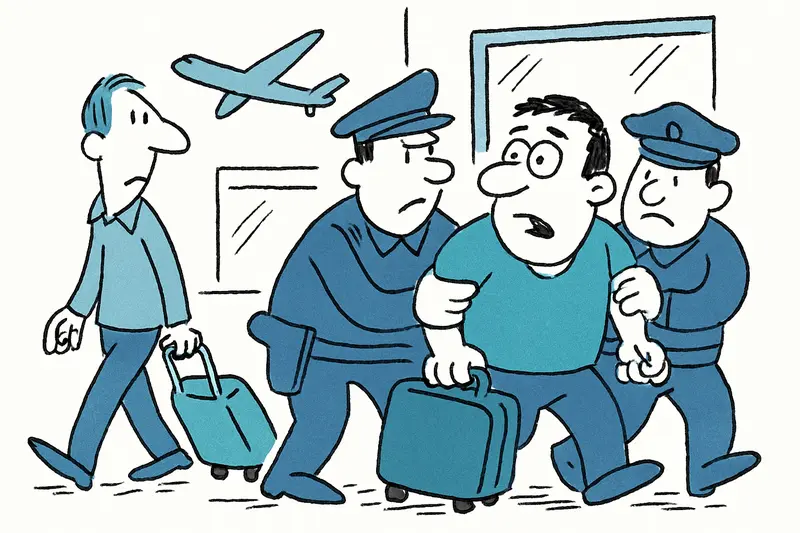
On Wednesday morning, even before the flight to Munich had closed its gate, the police struck: a man known in the Playa de Palma scene as the operator of a well-known nightclub was arrested at the Son Sant Joan airport page on Aena. According to the authorities, there is a European Arrest Warrant explained by Eurojust against him. The accusation sounds serious: subsidy fraud related to COVID aid.
The accusation in brief
Investigators believe that the suspect applied for and received state aid from Germany through several companies between September 2020 and October 2021, which, in the prosecution’s view, he was not entitled to. The amount currently cited is around €700,000. It is not yet conclusively clarified whether the man holds German citizenship; however, he is no stranger to the Playa scene, as reported in Arrest in Palma: Suspicion of Subsidy Fraud Raises Questions About Controls and the Neighborhood.
Judicial steps: pre-trial detention and possible extradition
After the arrest, the suspect was presented to a judge; pre-trial detention was ordered. According to the responsible authorities, preparations for extradition are underway under the European Arrest Warrant information at e-Justice. Until the formal conclusion of the proceedings, the person remains in a detention facility on Mallorca. The presumption of innocence applies – nevertheless, the case raises questions about prevention and oversight.
Why at the airport?
Investigators say the planned return flight made the arrest easier. Airports are classic venues for enforcing international arrest warrants: transit flows concentrate people in one place, luggage checks and data matching assist with apprehension. Son Sant Joan, on a windy morning with seagulls crying and the distant clinking of café crockery, thus became the scene of an extensive investigative operation.
Reactions at the Playa
The topic quickly surfaced along the Passeig Marítim and in the street cafés around the Playa. "You hear a lot in the summer, but that it's this complicated is surprising," says a café owner who has worked in the area for ten years. Guests remember loud nights in the affected venue (Arrest of the alleged operator at the airport — yet the Femina Club continues to operate.); alongside shock there is curiosity and concern: how intertwined are tourism, intermediary companies and financial aid really?
A case with signalling effect
Regardless of the outcome, this incident sends a signal: it shows that holiday hotspots and seemingly comfortable niches are not automatically shielded from cross-border law enforcement. The message to operators and subtenants is clear: later checks are possible, and subsidy funds are increasingly scrutinised.
Not just an isolated case: structural questions
But the case raises not only questions of individual guilt or innocence. It points to deeper problems in pandemic aid: emergency support programmes introduced quickly to help businesses survive also opened gaps for abusive applications. Who checks transactions across multiple companies, who audits application data across borders? And how reliable are digital verification mechanisms when large numbers of applications must be processed? These issues are documented in the Europol briefing on COVID-19-related crime.
Where the island should respond
Concrete consequences for Mallorca could include: stricter documentation requirements when companies change hands or sublease, better cooperation between Spanish and German authorities in economic crimes, and regular spot checks especially in tourist hotspots. Transparency about aid recipients – handled sensitively but verifiably – would help maintain trust in the sector.
What residents and visitors can do now
Anyone with information should pass it on to the authorities – but only verified information. Rumours spread quickly on the island over an espresso or on the beach; they do not help clarify matters. The responsible bodies in Germany and the Balearic Islands are now carrying out the formal steps for extradition and possible prosecution.
Outlook
The case remains active. For the local scene it means: awareness and caution rather than panic. For the authorities it means: cross-border investigations remain laborious but effective. I will continue to follow the matter and report as soon as there are reliable new facts on extradition, possible accomplices or judicial proceedings.
Important: Until a conviction is final, the presumption of innocence applies. This text summarises the steps known so far and provides context – without prejudging the outcome.
Frequently asked questions
What happened at Palma Airport in the COVID aid fraud case?
How much COVID aid is the Mallorca suspect accused of misusing?
Why was the suspect arrested at Mallorca's airport?
What does a European Arrest Warrant mean in a case like this?
Is the suspect still in detention in Mallorca?
What is Playa de Palma's connection to the arrest case?
What could this case mean for nightlife businesses in Mallorca?
What should residents and visitors in Mallorca do if they hear rumours about the case?
Similar News
Cafetería San Siro: A Meeting Place on Schinken Street Since 1966
In the middle of Schinken Street, Cafetería San Siro has been offering Mallorcan hospitality for more than six decades —...

From Ballermann to Prison: What the Verdict Against the Femina Operator Means for Palma
The Munich Regional Court convicted a German operator for subsidy fraud. What does the verdict mean for the Femina Club,...

Underpass Verge de Lluc: 19-year-old fights her way out of flooded car – a warning sign for Palma
A 19-year-old recently escaped swimming from her car after the Verge de Lluc underpass held up to one and a half meters ...

When the Floodgates Open Again: Why Palma's Floods Aren't a Coincidence
A sudden heavy downpour around 5 p.m. brought Palma to a standstill: flooded streets, full basements, panicked commuters...
Playa de Palma: Life-saving at Balneario 11 – Lifeguards Act Quickly
A German holidaymaker suffered cardiac arrest at Playa de Palma. Lifeguards resuscitated her on the beach; emergency ser...
More to explore
Discover more interesting content

Can Cap de Bou

Townhouse Lleo 72
