
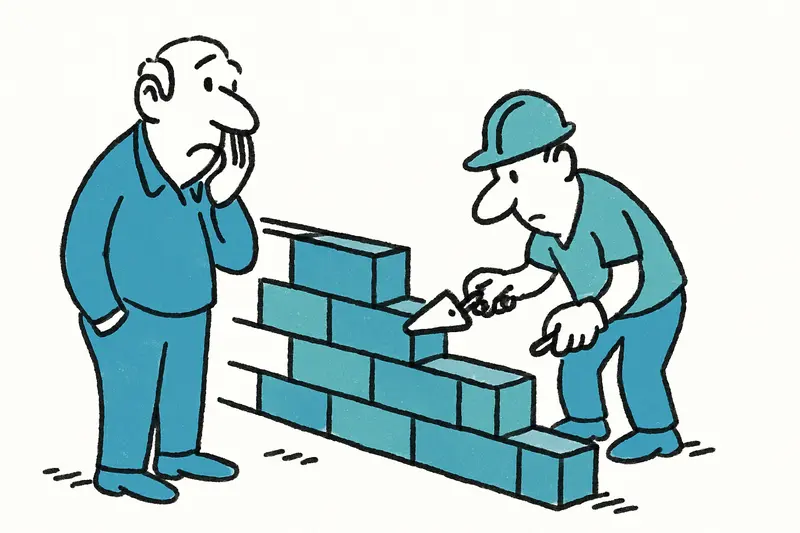
Relief or Setback? The Wall at Playa de Palma in a Reality Check
Relief or Setback? The Wall at Playa de Palma in a Reality Check
The city of Palma is rebuilding the low concrete wall along Playa de Palma (1.65 km) — as protection against sand drifts after several storms. But what remains unexamined? A critical look at risks, alternatives and everyday life on the promenade.
Relief or Setback? The Wall at Playa de Palma in a Reality Check
Reconstruction over 1.65 kilometres – protection from sand, risk of other problems
The city of Palma has begun rebuilding the low concrete wall along Playa de Palma. Around 1.65 kilometres are scheduled to return in the coming months, initially near the Torrent de Sa Siqui towards El Arenal. The works run in parallel with the renewal of the stormwater sewer (around four kilometres) and an upgrade of the lighting; the entire package is estimated at about €10.9 million and partially funded by European funds. Later, the wall is planned to be clad in natural stone.
Key question: Can the rebuilt wall provide short-term protection without causing long-term damage to beach ecology, mobility and neighbourhoods?
The sober assessment of recent winters is: without the wall, wind blew sand unhindered from the sea side onto the promenade, green spaces and properties. Sections such as Can Pastilla and Playa de Palma were at times covered by a thin but annoying layer of sand. That upset business owners and residents; the decision to rebuild the wall is therefore understandable.
But hold on: the wall is not a cure-all. Concrete barriers change the dynamics of wind and sand. In some places sand can accumulate, elsewhere it may be carried on unimpeded, perhaps into areas that were previously protected. Anyone walking the Passeig in the morning sees the sweepers and the silent generators of the construction companies, hears gulls and the distant rattling of beach chairs — and quickly realises: the local effects are complex.
Critical analysis: Firstly, there has so far been no open debate about coastal processes. A linear barrier ignores natural sand movements and the role of dunes, vegetation and seasonal currents. Secondly, it remains unclear how the city intends to manage side effects: where will accumulated sand be collected and disposed of? Who will bear the follow-up costs for cleaning and maintenance? Thirdly, social effects must not be overlooked: some residents mention that after the wall was removed alcohol consumption became less noticeable. A return of the wall could revive old meeting patterns — and thus present new challenges for police, regulatory services and businesses, as a routine check that ended in a scuffle and an arrest illustrates.
What is missing from the public discourse: concrete metrics and long-term scenarios. There is little transparency regarding wind studies, modelling of sand displacement or load limits for the beach. Equally rare are clear plans for compensatory measures such as planting, wooden sand traps or retractable elements that would be more flexible than permanent concrete.
Everyday scene: a Tuesday morning at Playa de Palma — the gelateria on the corner fills its display cases, an older man in a flat cap sweeps in front of the shop door, cyclists zip along the avenue. Construction noises mingle with the smell of salt and fresh coffee. This normality shows: decisions about concrete and gravel affect daily life, not just a statistic in a municipal file, as discussed in Playa de Palma in Transition: Between Passeig Dreams and Everyday Reality.
Concrete approaches that should be supplemented:
1) Combined measures instead of rigid barriers: Complementary planting with dune grasses, wooden sand traps and temporary windbreaks reduce wind speed and bind sand biologically without completely blocking coastal dynamics.
2) Monitoring and data: Immediate installation of measuring points for wind direction, sand displacement and beach width. Make results publicly accessible so residents and business owners can understand the effects.
3) Flexible architecture: Consider lower, perforated sections or partly retractable elements that can function differently in storm seasons than in high summer.
4) Social management: Design seating steps and lighting to enhance quality of stay without automatically attracting large party groups. Time-limited alcohol bans, coordinated presence of regulatory services and clear waste management plans help limit negative effects.
5) Transparent cost planning: Disclose who will cover long-term cleaning and maintenance costs — the city, the municipality of El Arenal, or significant surcharges for beach concessions.
A pointed conclusion: the return of the wall is a pragmatic response to visible damage from sand drifts. But it should not remain the only response. Those wholay concrete now and are later surprised by new problems have underestimated the complexity of the coast. A better approach would combine hard infrastructure, nature-based complements and an open data policy — so that the Passeig remains not only clean in the short term but livable in the long term for residents, businesses and visitors.
Frequently asked questions
Why is Palma rebuilding the wall at Playa de Palma?
Will the new wall at Playa de Palma solve the sand problem for good?
What side effects could the Playa de Palma wall have?
When will the rebuilt wall at Playa de Palma be finished?
How much is Palma spending on the Playa de Palma works?
What can visitors expect at Playa de Palma during the construction work?
What other solutions are being suggested for Playa de Palma besides a concrete wall?
How could the wall affect daily life in Playa de Palma and El Arenal?
Similar News
Ancient Piece Brought to Light: Guardia Civil Recovers Roman Anchor Fragment off North Coast of Mallorca
Divers from the Guardia Civil recovered a massive iron piece from Roman times off Mallorca's north coast. The roughly 35...

Who Benefits from the Half‑Hourly Flight on the Edge? Aena, Investments and the Island's Interests
Almost one billion euros is flowing into Son Sant Joan. The figures show the scale of investment and expected beneficiar...
Are the Balearic Islands the Southern Border of Europe? A Reality Check on Immigration
The Balearic Islands are again calling for EU aid after a sharp rise in arrivals by sea. Conflicting priorities between ...

"Expensive chaos" and many open questions: What clients can do when a lawyer suddenly stops responding
Several clients complain that a well-known German lawyer in Mallorca has been unreachable for months. Key question: What...

TV tip: 'The Last Problem' — Mallorca as the setting of a classic crime
A classic whodunit on Mallorca: A new miniseries set in spring 1959 brings storm, an isolated hotel and a dense web of s...
More to explore
Discover more interesting content

Can Cap de Bou

Townhouse Lleo 72
