
Courage from the Balcony: What Palma's Short Manhunt Reveals
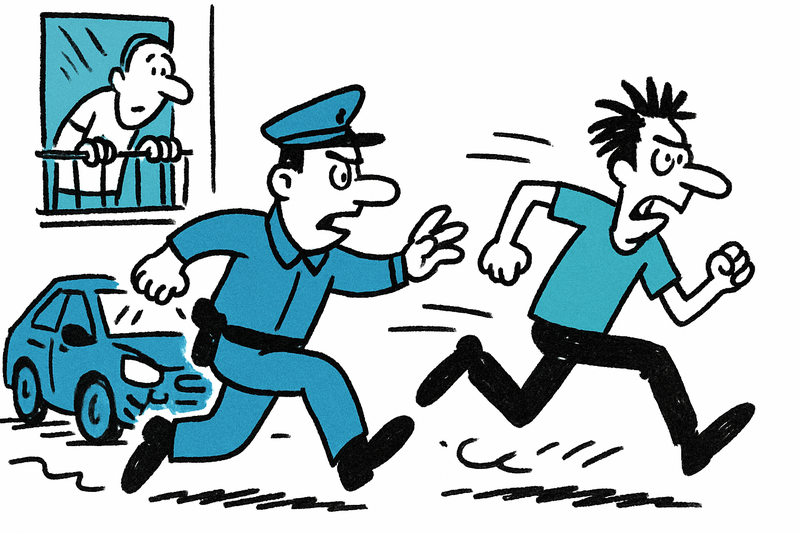
A police trainee jumped from a balcony in Palma early yesterday morning, pursued a fleeing hit-and-run driver and stopped him with help from neighbors. The incident raises questions about safety, training and drug-related issues in the city.
An Act of Courage Between Balcony and Cobblestones
It was one of those cool mornings when the cathedral bells still echoed and a few mopeds rattled through the narrow streets: a 23-year-old man crashed in Palma with a stolen car and ran away on foot. What might otherwise have been one of many police reports took a dramatic turn because Brave Police Trainee Stops Fleeing Driver — Neighbors Lend a Hand.
The Scene — Loud, Chaotic, Neighborly
Residents describe loud footsteps, shouting and the creaking of old balconies, as in Fall in Palma: An elderly man, a balcony and many unanswered questions; a true urban picture: narrow streets, dogs barking, the clatter of shop shutters. The chase ran through such alleys, past small cafés and open windows. Neighbors rushed out, some helped, and the fleeing man was stopped — a sequence that echoes other local incidents such as Escape in Mallorca: Breakout from Police Vehicle Raises Questions in Llucmajor and Algaida. Later, officers found several stolen phones in the car — a sign of organized petty crime that often stays under the radar.
A Central Question That Remains
What does this operation say about safety in Palma and about the relationship between police and the community and about community policing? At first glance it's a hero story: a young trainee acts quickly, the neighborhood comes together. On closer inspection, however, important questions arise that have often been missing from public debate.
The trainee risked his health; according to reports he even suffered physical violence. How well are young officers prepared for such situations? What rules apply when trainees intervene spontaneously? And not least: what responsibility do residents bear when they become involved in an arrest?
Aspects That Are Rarely Discussed
First: training. Police trainees should show initiative, but they need clear protocols and protection mechanisms — for example, backup from colleagues, immediate alarm chains and equipment that not only protects but can also de-escalate. Second: the legal situation for civilians. Neighborhood assistance is valuable, but without guidance people can put themselves in danger or face legal problems later.
Third: the role of drugs and organized theft networks. Stolen phones in the car point to a business model: quick thefts and resale through local networks. Such structures benefit from gaps in prevention and monitoring — especially in districts with high through-traffic.
Concrete Opportunities and Solutions
Practical measures can be derived from the incident that could make Palma safer:
Improved operational protocols for trainees: clear rules on when and how a young officer may intervene, coupled with rapid radio support and more presence of experienced colleagues during off-peak hours.
Neighborhood training sessions: short workshops or information evenings in districts — such as the old town or areas with many short-term rentals — about safe behavior when witnessing incidents, documenting with a phone and avoiding vigilantism.
Technical and preventive measures: better street lighting in problem spots, camera partnerships with businesses and smart parking zones where suspicious vehicles can be identified more quickly. At the same time, lost or stolen devices should be traceable faster — for example through IMEI tracking or central reporting points for local retailers.
Social approaches: expansion of prevention programs against drug use and low-threshold services so that every incident is not simply read as "criminal energy" but also as a consequence of social problems.
Community Instead of Lone Heroes
The trainee's action and the neighbors' willingness to help are undoubtedly impressive. Nevertheless, the feeling of spontaneous security must not obscure the lack of system: protection for young officers, clear guidelines for civilians, preventive measures against theft and drugs. Palma needs both — recognition for brave individuals and sober policies that reduce risk for everyone.
In the end, one image remains: the sound of busy bags, the rustle of police uniforms and a neighborhood that pauses for a moment and asks how it can be louder and safer together than a single jump from a balcony.
Frequently asked questions
What happened during the short police chase in Palma?
Is Palma safe for walking around the old town early in the morning?
What should I do if I witness a crime in Mallorca?
How prepared are police trainees in Palma for real street incidents?
Why are stolen phones often linked to quick thefts in Mallorca?
How can Mallorca neighborhoods help prevent street crime?
Can bystanders legally help stop a suspect in Palma?
What does this Palma incident say about community policing in Mallorca?
Similar News
Release after bloody attack in Palma: Why the court's decision raises questions
An 18-year-old who allegedly inflicted a serious neck injury on a man at Plaza Gomila using a wristwatch wrapped around ...
Kidnappings in Inca: Three young men forced into car trunks and abused in the forest – a reality check
In Inca, three 18-year-old men were forced into car trunks by masked assailants at the Plaça des Bestiar, taken to a for...
Spreading Massification: The Brake That Still Has Much Work to Do
Marga Prohens announces limits on volume tourism. The measures sound harsh — but are they enough to save everyday life, ...
Through the Keyhole onto the Party Yacht: How Daniela Katzenberger Is Planning Her 40th on Mallorca
Daniela Katzenberger turns 40 and wants to celebrate it on the island — likely with a boat, cake and her mother. A relax...
By Boat Instead of the Road: Palma's Water Bus — a Reality Check
The 'Bus Nàutic' launches in two stages — but questions remain over interim operations, fares and environmental requirem...
More to explore
Discover more interesting content

Can Cap de Bou

Townhouse Lleo 72
