
Blackout at Playa de Palma: Candles Instead of Disco Lighting
Blackout at Playa de Palma: Candles Instead of Disco Lighting
On Friday evening parts of Playa de Palma suddenly lost power. Seafront restaurants had to close and some guests dined by candlelight. What the event reveals about the island's vulnerability — and what should be done now.
Blackout at Playa de Palma: Candles Instead of Disco Lighting
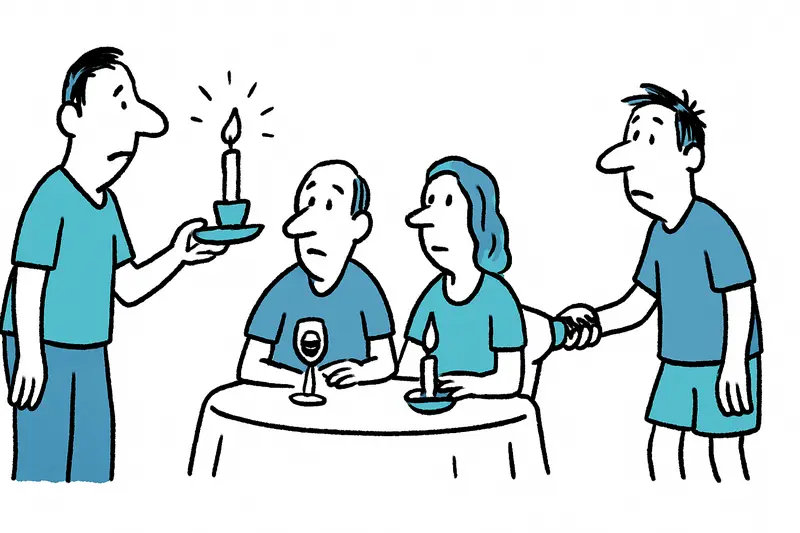
On Friday evening, when the day's heat still hung in the air and cafés along the Passeig had lowered their blinds, power suddenly went out in parts of Playa de Palma. Anyone walking along the promenade saw staff handling flashlights, heard the hum of generators in a few side streets and noticed candles flickering on terraces. Hotels and residential buildings appeared largely unaffected; the venues directly on the seafront and in the adjacent side streets were the ones most affected.
Key question
How resilient is Mallorca's electricity network if the lights go out suddenly in the island's most important tourist area?
Critical analysis
According to reports, the outage occurred without warning. For guests, a cozy dinner quickly turned into an improvised scene: waiters carried candles, the music faded, kitchens closed because cooking equipment doesn't run without power. On the outage map of the responsible energy supplier the affected area was marked as an interruption; however, a clear cause was not given at first. This suggests two things: first, there is a weak point in the supply chain that can lead to major restrictions at short notice. Second, there appears to be a lack of rapid, transparent communication so that affected businesses can respond immediately.
What's missing from the public debate
There is a lot of talk about capacity and grid expansion, but little about everyday resilience: what minimum infrastructure does a party mile need so it doesn't plunge into darkness? Why do hotels experience fewer outages than the restaurants on their doorstep — are they better connected or do they have their own emergency power? And who bears the costs when an evening of catering is abruptly ended? Also rarely discussed is how quickly the grid operator and municipality provide precise information on site so business owners can make decisions.
Everyday scene from the island
I watched on a warm evening at the edge of Playa de Palma: waiters in shorts, guests with sunglasses on their heads, children still with sand on their feet. The wind carried the smell of fried fish and charcoal from the grills, and somewhere soft reggaeton was playing. Then the click of fuses, a short murmur, flashlight beams on tables, isolated applause as the mood turned to improvisation. People laughed nervously, ordered drinks that could not always be kept cool. The sight was beautiful and strange at the same time: very Mallorcan — showing solidarity but also visible weaknesses.
Concrete solutions
What should be done now so this doesn't become a recurring burden for restaurateurs and guests:
1. Faster, better information channels. A clear, reliable channel from the grid operator to municipalities and businesses — SMS or push notifications with the cause of the shutdown and the expected duration — would immediately provide planning security.
2. Mandatory emergency planning for tourist zones. Municipalities should define minimum standards together with trade associations: emergency lighting, small-scale UPS systems for cash registers, prioritization of critical consumers.
3. Incentives for decentralized backup solutions. Funding programs for small, quiet generators or battery banks in restaurants and beach spots. Not every bar needs a power plant — but they do need a basic backup for payment systems and emergency lighting.
4. Technical inspection of critical nodes. Grid operators and the city should jointly check which transformers or line sections are vulnerable under peak loads and take short-term measures (replacement, redundancy, stress tests).
5. Joint emergency drills. If hotels, fire brigade, police, utilities and restaurateurs rehearse procedures once or twice a year, real emergencies will be less chaotic.
Conclusion
The outage at Playa de Palma was more than a curious evening — it showed how closely tourism success and functioning infrastructure are linked. Candlelight may be romantic, but not when it is the result of a technical failure. The island needs pragmatic solutions: faster information, targeted investments in resilience and more preparation. Otherwise every mild summer evening remains a small risk for business owners and guests alike.
Frequently asked questions
How resilient is Mallorca's electricity network in major tourist zones like Playa de Palma?
What does a power outage look like for visitors along Playa de Palma's promenade?
What practical steps could improve resilience for Mallorca's tourist areas during outages?
How should authorities communicate during outages to help businesses?
Are hotels less affected by outages than nearby restaurants in Mallorca?
What emergency measures could be put in place in Mallorca's tourist zones?
Why is everyday resilience emphasized in Mallorca’s power discussions?
What lessons should Mallorca take from the Playa de Palma blackout for future summer evenings?
Similar News
From the Reality Studio to the Pitch: Aleks Petrovic Makes Mallorca His Base
The former participant in numerous TV shows moves from Dubai to the island and launches a project with FC Germania Mallo...
When the Phone Falls Silent: Concern for Sarah Joelle in Mallorca — and What It Reveals
After days without a response, the TV personality's unreachability in Mallorca sparked concern. Shortly afterwards an al...

Ultraluxury on the Ground: Four Seasons Jet in Palma — a Reality Check for Formentor and the Island
A high-priced flight crosses Mallorca and its guests stay for days at the Formentor resort. What does the island get bes...

Death of a Witness and the Justice Backlog: Why the Kegel Brothers Trial Matters in Mallorca
A witness in the Playa de Palma fire case has died, and the trial against eight German holidaymakers has been delayed un...

Champagne Reception, Red Carpet and Mini Originals: The Pre-Nit del Art at Gallery Mensing
Almost 400 guests, champagne, pop-art feats by Tom Boston and a raffle for the Parkinson's foundation: Gallery Mensing t...
More to explore
Discover more interesting content

Can Cap de Bou

Townhouse Lleo 72
