
Don't drive there by car? The Tramuntana closures on the day of the solar eclipse — a reality check
Don't drive there by car? The Tramuntana closures on the day of the solar eclipse — a reality check
The Balearic government will widely close roads on 12 August, including access to the Serra de Tramuntana. A reality check: what is missing in the planning, what practical alternatives exist and how are places of origin like Valldemossa or Port de Sóller preparing?
Don't drive there by car? The Tramuntana closures on the day of the solar eclipse — a reality check
Key question: Can a blanket road closure reconcile protection, mobility and local interests at the same time?
On 12 August the regional government plans to close access roads to the Serra de Tramuntana and several other road sections on a wide scale. According to the available information, the closures are to apply between 15:00 and 21:00; the peak of the eclipse is at 20:30. Affected locations include access routes from Andratx, Esporles, Valldemossa, Sóller Ma-10 closed today: Between tradition and a traffic problem in Sóller, Fornalutx, Pollença and Caimari, as well as side roads to Estellencs, Banyalbufar, Deià and Escorca. Popular approaches such as Port de Sóller, sa Calobra or Cala Deià are also on the list. In addition, points outside the Tramuntana are closed, such as Es Colomer–Formentor 2026: Car-free two weeks earlier — what travelers and residents need to know, Santuari de Cura, Puig de Sant Salvador and several beaches. Maritime and air control units, 22 boats, helicopters, drones and the nature conservation service Seprona are to accompany the event. The authorities have designated 26 official observation zones, which according to initial estimates can accommodate around 300,000 people.
Critical analysis: The measure is understandable on the one hand — overcrowded mountain roads, limited parking, fire risk and access for emergency services are real problems. On the other hand, many questions remain unanswered: How will residents, tourism businesses and commuters who rely on access be contacted? What specific diversion and emergency rules apply for rescue services or medical transports? And how can it be prevented that visitor flows are diverted to the smallest side roads and footpaths instead?
What is missing in the public debate: The current communication states closure times, locations and deployed forces — but important details are missing so far, as in previous large-scale closures such as Sunday in Palma: Paseo Marítimo largely closed on 16 November — tips for residents and visitors. There is hardly any publicly available information on alternative mobility offers, park-and-ride locations or accessible entrances for people with reduced mobility. Also barely discussed are waste and sanitation planning at the official observation zones, rules for camping or the management of water and electricity needs with large numbers of visitors. And the question of how an orderly return after the event can prevent traffic jams from leading to cars overheating in the heat is rarely asked.
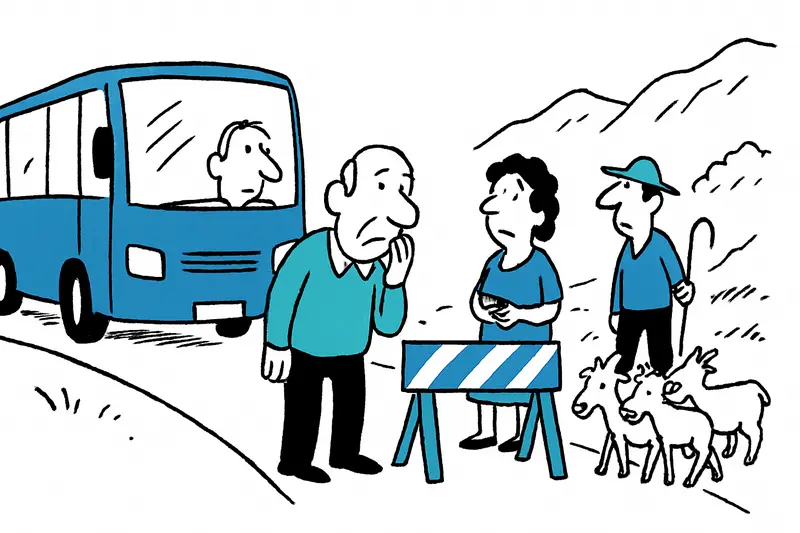
Everyday scene: Imagine Valldemossa on an August afternoon. The narrow streets smell of espresso from the small bar on the square; a shepherd leads his goats past, a public bus climbs the pass with difficulty, tourists stroll by with binoculars. If the access is closed, people who normally depend on their car will be stuck here: older residents, tradespeople with materials or small guesthouses that need to pick up guests for dinner. Scenes like these describe what local planning must deliver — not just large-scale plans on paper.
Concrete solutions:
- Set up binding park-and-ride points on the main access axes with short shuttle services to the official observation zones. Simple bus connections from Palma, Inca and Manacor would be ideal.
- Clear, early-communicated exception rules for residents, medical transports, businesses and delivery traffic including personalized access permits that can be checked digitally.
- Expanded information campaign: maps showing closure zones, car parks and shuttle timetables in multiple languages, distributed via municipalities, ferry terminals, airports, hotel receptions and social channels.
- Coordination for waste disposal and hygiene facilities: mobile toilets and additional waste collection in the observation zones, overseen by local authorities and volunteers.
- Deployment planning for emergency services that keeps priority routes open; emergency exercises before the date so that rescue times are not affected.
- Environmental protection measures: targeted limitation of foot access to sensitive paths, increased presence of environmental wardens (Agents de Medi Ambient) and information signs on behaviour and fire prevention.
- Accessible options: at least at some observation zones reserves for people with reduced mobility, with wheelchair-accessible access routes and seating.
Conclusion: The planned closures show that the authorities take the risk of large crowds and safety seriously. Yet security must not be used as an excuse for poor logistics. Without clear alternatives there is a risk of chaotic diversions, overloaded side roads and avoidable hazards — exactly what should be avoided. A good outcome is achievable if planning does not end with barricade tape but creates concrete mobility and supply offers. Then people can enjoy the eclipse — without waking up to a traffic jam afterwards.
Frequently asked questions
When is the best time to visit Mallorca for sunny weather and easy outdoor days?
Is it possible to swim in Mallorca year-round, and how should I handle water conditions?
What should I pack for a Mallorca trip to cover warm days, cooler evenings, and coastal winds?
What are good ways to spend a few days in Mallorca if I want beaches, hiking, and culture?
What is the best way to get around Mallorca without renting a car?
Why is Palma de Mallorca a good base for exploring the island?
What should I know about safety and beach etiquette in Mallorca?
What makes Sóller valley and the tram a pleasant day trip from Mallorca's coast?
Similar News
When the Wallet Becomes a Danger: Attack in Peguera and Lessons for Mallorca
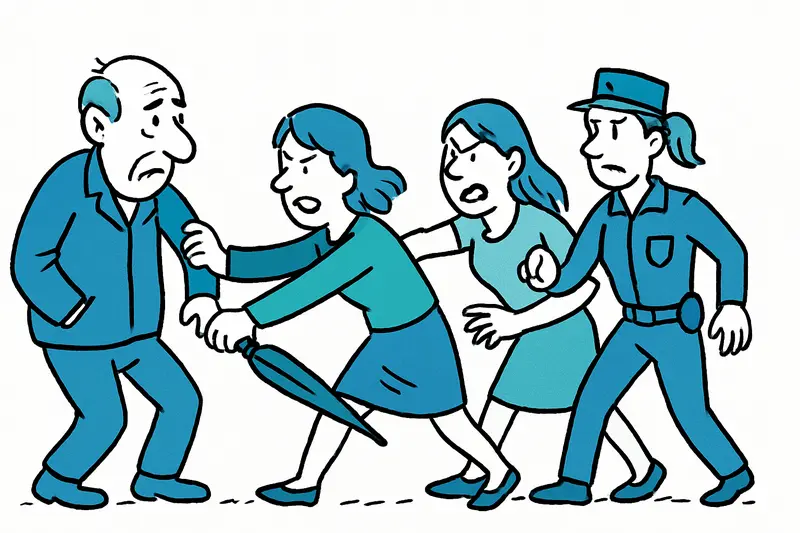
In Peguera, two women are said to have stolen the wallet from a 75-year-old German couple. When the victim intervened, t...
Plata stays Plata: Young people take over, Llonguets remain
A small bar on Carrer de l'Argenteria will continue: Tolo Serra hands the place over to young Mallorcans at the end of t...
Unnoticed in the Luggage Compartment: How a Boy Traveled More Than 100 Kilometers in a Team Bus
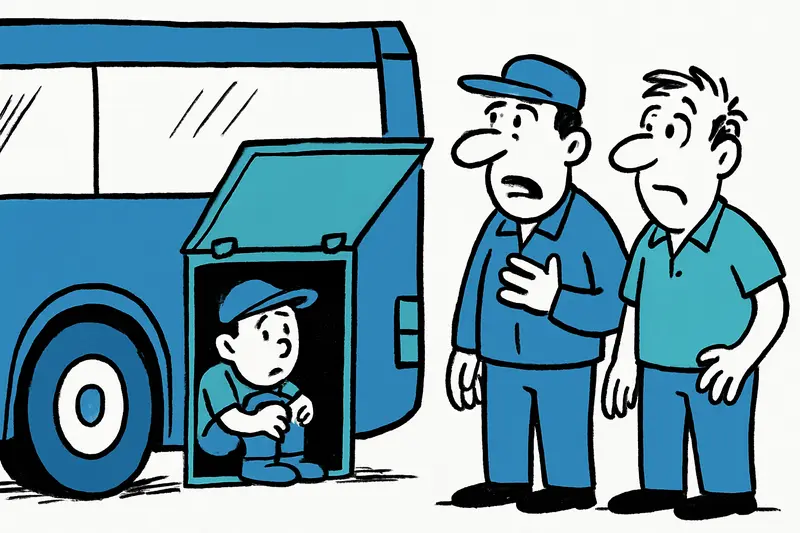
A minor traveled in the undercarriage of a team bus for more than 100 kilometers until his cries for help were heard. A ...

Cap Vermell Grand: Second Michelin Key – a Gift for the East
The Cap Vermell Grand in Capdepera has been awarded its second Michelin key. For the region this elevates the luxury off...

Eurowings lets four aircraft carry names – a friendly idea that also reaches Mallorca
Eurowings is launching a campaign: four Airbus A320s are to carry the first names of people who help others in everyday ...
More to explore
Discover more interesting content

Can Cap de Bou

Townhouse Lleo 72
