
Playa de Palma: Two Tourists Injured for Refusing Sex – Who Protects Guests at Ballermann?
Playa de Palma: Two Tourists Injured for Refusing Sex – Who Protects Guests at Ballermann?
Two Norwegian tourists were attacked at Playa de Palma after refusing sexual services. The National Police are investigating — time for a reality check.
Playa de Palma: Two Tourists Injured for Refusing Sex – Who Protects Guests at Ballermann?
Key question: Why do people here at Playa de Palma come under pressure when they refuse sexual offers, and what is missing to make such assaults rarer?
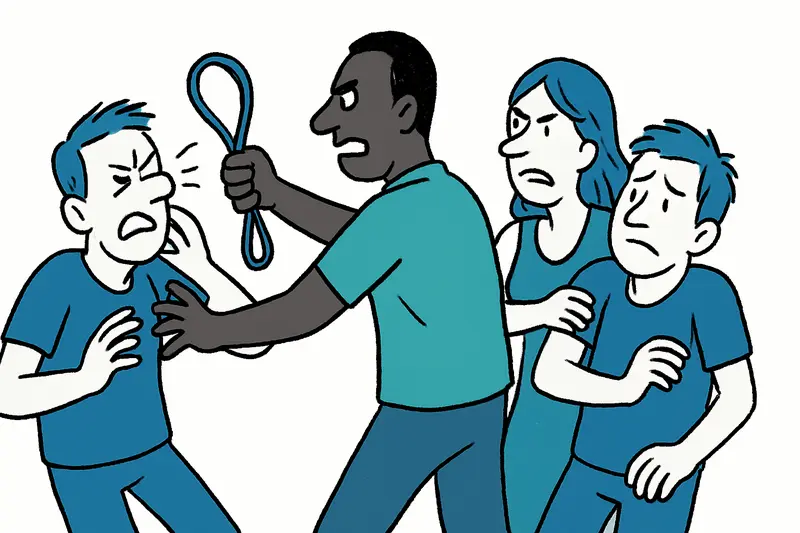
The incident was alarmingly clear: Two young men from Norway, both in their early twenties, apparently just wanted to get away from the noisy promenade at Playa de Palma. According to the Spanish National Police, they were prevented from leaving the area and were strongly pressured to accept sexual services from two women. When the tourists showed refusal and tried to flee, the situation escalated. The alleged attacker used a piece of belt and a wrapped bicycle lock as striking weapons; both men were injured. They ultimately managed to escape, received medical treatment and filed a report; the National Police arrested a suspect, a development similar to the case described in Playa de Palma at Night: Phone Tracking Catches Suspect — But What Does It Say About Our Safety?. According to police information, the suspect is a Senegalese national and investigations are ongoing.
In short: Violence against people who say 'No' — that calls for a reality check. In an area that lives at night from music, flashing lights and groups of visitors changing every half hour, police presence alone is not enough. The avenue vibrates with activity, street cafés clink glasses, beach vendors shout and taxi drivers honk. Anyone who experiences not just offers but pressure and threats in this setting needs immediate effective protection and clear structures that prevent such situations.
Critical analysis: What actually happened leaves questions open from several perspectives. First: How do power relations develop on the roadside in which refusal is immediately answered with violence? Second: What role do organized groups or informal structures play that encourage street prostitution and the pressuring of tourists? Third: Are the current police control models sufficient to reach victims quickly when incidents occur in side streets or late at night, as recent Brawl at Playa de Palma: Why a verbal exchange could have ended fatally coverage suggests? And fourth: How good is the communication between police, tourism businesses and social services when it comes to prevention and victim protection?
What is often missing in public discourse: the perspective of male victims, the language and options for action for those without Spanish skills, and the question of how entertainment districts can be designed so that commerce and protection do not exclude each other. There is also not enough discussion about preventive social work: outreach teams that not only control but also address people, provide information and defuse conflicts are missing from many security policy plans. This is a theme of Ballermann in Focus: How safe is Playa de Palma really?.
A typical everyday scene: Imagine Playa de Palma on a July evening. The promenade is overcrowded, music drifts from beer gardens, a delivery van is parked crookedly, young people carry drinks, an older man with a bowler hat sits on a wall and watches the hustle and bustle. In this soundscape it is hard to hear calls for help. Bystanders often look away briefly — out of uncertainty or because they are not sure if intervening will help. It is precisely this uncertainty that emboldens perpetrators.
Concrete, realistic and locally feasible solutions: First, targeted presence of the National Police and local forces in particularly vulnerable street sections for deterrence, complemented by low-threshold help points for tourists in several languages. Second, cooperation with bars, hotels and beach venues: training for staff, clear reporting routes and a small emergency plan can save minutes. Third, social intervention teams that patrol on foot, act to de-escalate and at the same time provide a trust offer for people in difficult situations. Fourth, review of lighting and camera positions at critical spots — not as surveillance tools but for faster reconstruction of events and as a preventive measure. Fifth, information campaigns in several languages: those who work or vacation here should know how to get help and that 'No' is respected.
Legally clear: Violence remains violence, and deprivation of liberty is a serious charge. The arrest after the attack shows that intervention is possible; other incidents, such as the nighttime home takeover covered in Nighttime escalation at Playa de Palma: When a mobile phone leads to a home takeover, show the range of threats and the need for coherent responses.
My conclusion, brief and honest: Playa de Palma can be loud and rough, but it must not become dangerous for people just because they refuse an offer. Politics, police and local businesses must talk and act — faster, more visibly, more practically. Otherwise the same picture repeats: two injured, lots of fuss, and after a week the promenade goes back to its usual mood.
An appeal to everyone who lives and works here: Listen when someone says 'No'. It is louder than the music and more important than any bargain on the holiday calendar.
Frequently asked questions
What safety measures are in place for visitors in Mallorca's nightlife areas like Playa de Palma?
What should I do if I'm pressured or threatened to accept a service while visiting Playa de Palma?
How can bars, hotels, and beach venues in Mallorca help prevent harassment?
Are multilingual resources available for tourists needing help in Mallorca's Playa de Palma?
What role do social intervention teams play in Mallorca's entertainment districts?
Why is lighting and camera placement discussed for safety in Playa de Palma?
What changes are proposed to better protect visitors from violence in Mallorca's nightlife?
What should visitors know about reporting incidents and legal consequences in Mallorca after an assault?
Similar News
When the Wallet Becomes a Danger: Attack in Peguera and Lessons for Mallorca
In Peguera, two women are said to have stolen the wallet from a 75-year-old German couple. When the victim intervened, t...
Plata stays Plata: Young people take over, Llonguets remain
A small bar on Carrer de l'Argenteria will continue: Tolo Serra hands the place over to young Mallorcans at the end of t...
Unnoticed in the Luggage Compartment: How a Boy Traveled More Than 100 Kilometers in a Team Bus
A minor traveled in the undercarriage of a team bus for more than 100 kilometers until his cries for help were heard. A ...

Cap Vermell Grand: Second Michelin Key – a Gift for the East
The Cap Vermell Grand in Capdepera has been awarded its second Michelin key. For the region this elevates the luxury off...
Eurowings lets four aircraft carry names – a friendly idea that also reaches Mallorca
Eurowings is launching a campaign: four Airbus A320s are to carry the first names of people who help others in everyday ...
More to explore
Discover more interesting content

Can Cap de Bou

Townhouse Lleo 72
