
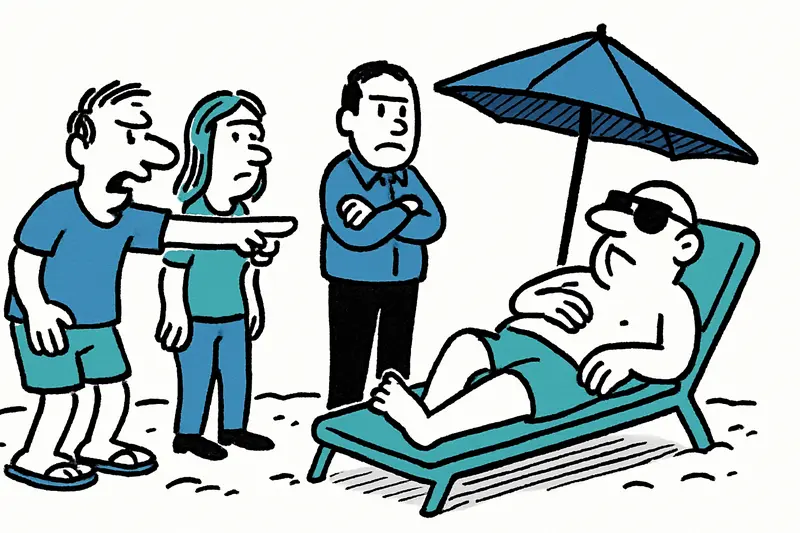
Premium sunbeds in Cala Major: Palma under pressure — who protects the beach from commercial greed?
70 euros for two sunbeds and a sunshade at Cala Major were declared inadmissible by an authority. Now the ball is in Palma's court — and in ours: How much commercialisation can the city beach tolerate?
Premium sunbeds in Cala Major: What is really at stake
In the early morning, when the street sweepers still hum along the Passeig Marítim and the seagulls play on the waves, Cala Major is a place where everyday life and tourism pragmatically balance each other. Last week, however, a price tag tore many out of their routine: 70 euros for two sunbeds and a sunshade. For a brief moment the Mediterranean breeze sounded like a cash register.
The guiding question: Who owns the beach?
The responsible Balearic authority has judged the applied prices to be inadmissible and forwarded the file to Palma. The city now has ten days to act. Ten days — in the administrative world hardly more than a snap of the fingers, but for residents a window in which it will be decided whether beaches will continue to be public space or increasingly treated as payable luxury.
Why this is more than a price drama: It is about consumer rights, transparency in concessions and the question of how municipal areas are regulated when demand meets every last offer. When locals stumble over price tags during a Sunday walk, it is not a purely symbolic gesture — it is an indicator of a development that can turn parts of the coastline into private spaces.
What the city has announced now — and what that means
Palma intends to re-tender: fewer sunbeds, binding price guidelines, stricter controls. In addition, one of the two small chiringuitos (beach bars) at Cala Major is apparently to disappear. That sounds like determined policy, but practice is more complicated. Concessions are often agreed for years; an abrupt withdrawal can lead to lawsuits and lengthy court proceedings.
On site I hear voices from residents: "The tourists pay — so it gets more expensive." And from visitors: "We are happy to pay, but with honesty." Between the smell of sunscreen and the rattling of buses lies a conflict about transparency: Where are the official price lists? Why do offers vary so much? And who checks this on site when rules are violated?
Aspects that are often overlooked
First: administrative capacity. A ten-day alarm may be politically effective, but inspections, fine procedures and re-tendering require staff and clear processes. Second: social impacts. If the number of sunbeds is reduced, pressure on the free beach area increases — and other commercial offers, which are less visibly regulated, often benefit. Third: legal certainty. Municipal interventions must be forceful but legally robust, otherwise the result is years of uncertainty.
Another point: the role of the chiringuitos. These beach bars are part of the Mallorcan coastal scenery — they produce sounds, smells and encounters. If they are reduced, the face of the beach changes. That can be good: more public space, less commerce. But it can also lead to the displacement of small, family-run businesses if tenders focus only on revenue maximisation.
Concrete proposals — how Palma can act credibly here
1) Transparent, mandatory posted price lists at every beach section: visible, standardised, checked. Many conflicts could be defused immediately with that.
2) Short-term emergency ordinance: a temporary price cap for the current season, coupled with quick inspections, to make clear that excessive price demands will not be tolerated.
3) Tenders with social criteria: points for local operators, jobs for residents and environmentally friendly concepts instead of pure profit orientation.
4) A digital reporting system for violations, supplemented by mobile inspections during peak times — this builds trust and addresses problems directly where they occur.
5) Legally fix the share of public beach: sunbed areas must not permanently block more than a defined percentage of the shoreline.
Outlook: Opportunity or symbolic politics?
Palma must respond within ten days. Whether that happens forcefully, wisely and sustainably remains open. It is an opportunity to rethink beach policy: not only as an administrative procedure, but as protection of public quality of life. If the city is serious, Cala Major could become a model — for transparency, fair prices and a beach that belongs to everyone.
On your next walk it’s worth looking more closely: the price tags, the notices, the people at the counter. Sometimes politics begins exactly where you set your foot in the sand.
Frequently asked questions
Are beach sunbeds in Mallorca supposed to have fixed prices?
What can Mallorca visitors do if a beach price seems unfair?
Why are beach sunbed concessions in Palma being reviewed?
How much public beach space should sunbeds take up in Mallorca?
Is Cala Major in Mallorca still a public beach?
Will there be fewer sunbeds at Cala Major in Palma?
What should I pack for a Mallorca beach day if sunbeds are expensive?
What role do chiringuitos play on beaches in Mallorca?
Similar News
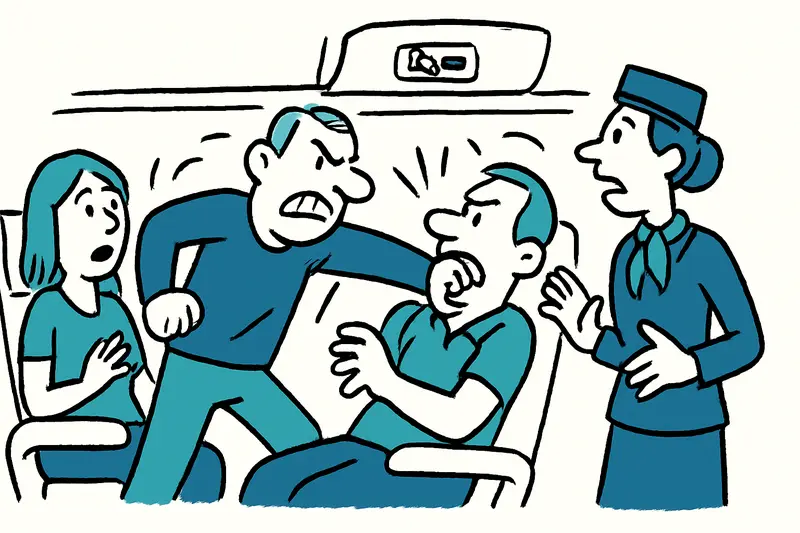
Just before landing: Brawl on Ryanair plane — What does it say about flight safety?
A dispute over the toilet escalated on a flight to Ibiza. Question: Are rule enforcement and de-escalation on board stil...
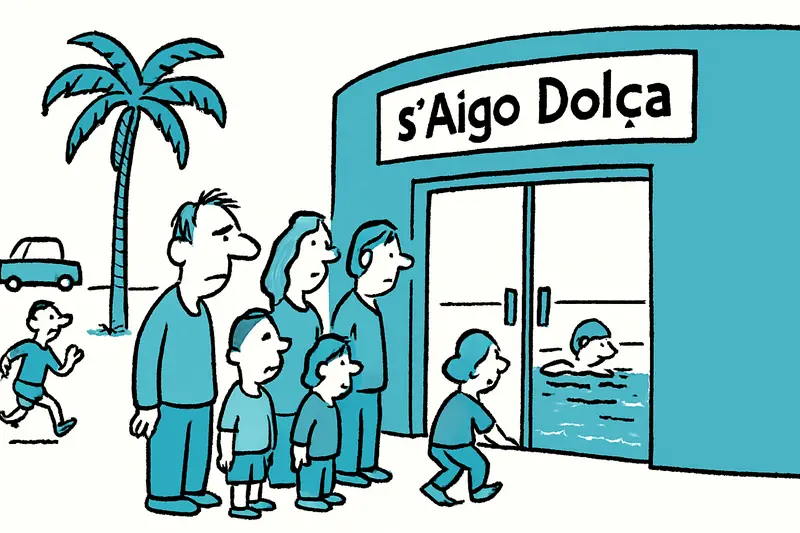
Open in the afternoons: New indoor pool "s'Aigo Dolça" brings life back to the Passeig Marítim
A new public indoor pool opened on the Passeig Marítim. 's'Aigo Dolça' offers two 6-lane pools, fitness rooms and aftern...
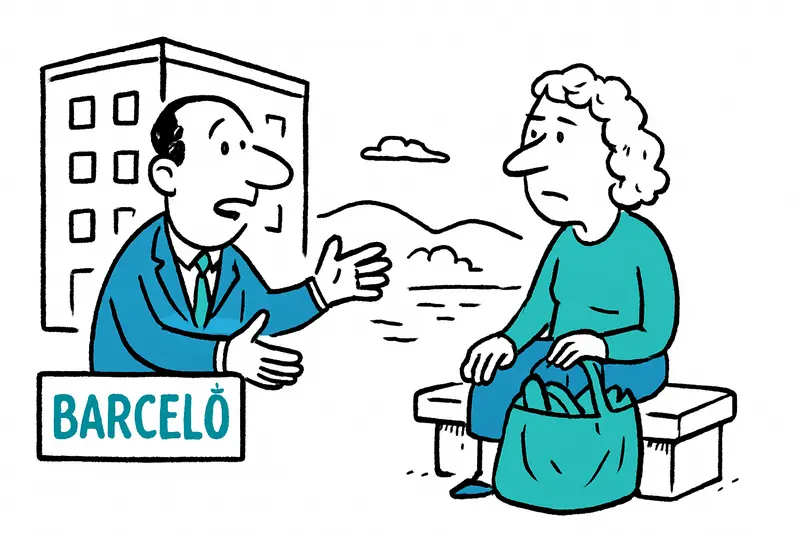
Barceló Takes Over Valparaíso Palace: A Reality Check for Palma
The pending sale of the Valparaíso Palace & Spa to Barceló raises hopes — and questions. What will the modernization mea...

From Manacor to the Gulf: Nadal expands international network with new center in Bahrain
Rafael Nadal's academy opens its ninth tennis center on the Amwaj Islands in Bahrain. Six tennis courts, three padel cou...
Climate change prolongs mosquito season: Why Mallorca must not relax
Mild autumn temperatures and rain can extend the tiger mosquito season into December. A reality check: what's missing in...
More to explore
Discover more interesting content

Can Cap de Bou

Townhouse Lleo 72
