

Probation sentence after 575 euros taken from a wallet in Marratxí: Is returning the money a mitigating factor?
Probation sentence after 575 euros taken from a wallet in Marratxí: Is returning the money a mitigating factor?
A woman took 575 euros from a wallet left at a Marratxí gas station. She confessed, returned the money and received a four-month suspended sentence. Time for a reality check.
Probation sentence after 575 euros taken from a wallet left in Marratxí: Is returning the money a mitigating factor?
An incident, many questions — and everyday scenes we all know
Key question: Is it appropriate that returning the full amount before trial was a decisive reason for a four-month probation sentence?
The core of the matter is quickly told: On the evening of December 3, 2024 a wallet lay at a gas station in Marratxí after a driver paid and apparently left it in the car. A woman withdrew 575 euros from it but left the wallet there. The owner was later able to reclaim his wallet; the Guardia Civil identified the perpetrator, who confessed in court. Before the trial she had fully repaid the amount taken; this was considered mitigating. The court imposed a four-month suspended sentence.
On Mallorca, between the constant hum of the pumps and the clink of cash registers, minor dramas such as a 480-euro petrol station case are part of everyday life. I picture the scene: evening light on the Ma-13, the smell of petrol, a cashier processing card payments at the terminal, a lost document in the wallet. No one is immune to lapses of attention — but no one has a right to take advantage of carelessness.
Critical analysis: The court's decision follows a logical line of criminal law: confession, restitution and lack of prior convictions reduce the sentence. Nevertheless a tension remains: criminal law does not easily distinguish between opportunistic theft from a momentary temptation and systematic criminality (see the serial thief in Marratxí case). In public perception this often appears as leniency toward a clear breach of rules. For victims, however, there remains the feeling that carelessness is punished while active appropriation is relatively lightly treated.
What has so far been neglected in public discourse: the preventive responsibility of places where such items are left and the role of infrastructure. Gas stations are not bank vaults, but staff and operators can help reduce incidents with simple rules. Also rarely asked is why people are tempted — economic pressure, habit, opportunism. Punishment alone often falls short.
A small everyday sketch: On a rainy evening I see an older woman at a pump who wants to pay in a hurry and later stands there with empty hands. A young motorcyclist stops, finds the wallet and turns to the till. Such encounters decide in small ways whether something is reported or the finder simply keeps the contents.
Concrete approaches that go beyond mere sentencing:
For gas station operators: clear procedures for lost property (receipt card at the counter, logbook entry, mandatory notification of the Guardia Civil for found documents), clearly visible notices at pumps ("Do not leave valuables unattended"), short trainings for staff.
For local government: information campaigns about the correct handling of lost property and the legal consequences of theft; cooperation with the Guardia Civil and consumer protection; simple collection points for lost property in every municipality.
For the judiciary and social work: consistent combination of restitution with orders such as community service, mandatory information sessions about legal consequences and — where appropriate — restorative justice meetings that make the damage more visible.
These measures would not prevent every individual case, but would reduce the incentive to turn a short opportunity into actions with long-term consequences.
So what remains of the ruling? The legal logic is comprehensible: return, confession and first-offender status led to mitigating circumstances. But that alone is not an answer in public debate (see the €35,000 suspended sentence). We need clear rules at places like gas stations, more awareness and options that offer people in difficult situations alternatives to crime.
Conclusion: The suspended sentence may be legally defensible, but it does not replace work on the ground: better lost-property procedures, explanatory work and preventive measures would make such cases more transparent and improve the balance between proportionality of punishment and fair deterrence. On the Ma-13, between pump and till light, that would be a step that cannot be measured in money but would mean fewer evening dramas.
Frequently asked questions
What factors can reduce a sentence if someone returns money after taking it in Mallorca?
How can gas stations in Mallorca reduce lost-property incidents?
How does returning money before trial affect a court's decision in minor theft cases in Mallorca?
What steps should public authorities in Mallorca take to prevent losses from unattended valuables?
What should you do if you find a wallet at a Mallorca petrol station?
Where can residents learn about the legal consequences of theft and lost property in Mallorca?
What everyday scenarios in Mallorca highlight the need for better lost-property rules?
When is Mallorca best for outdoor exploration and beach trips?
Similar News
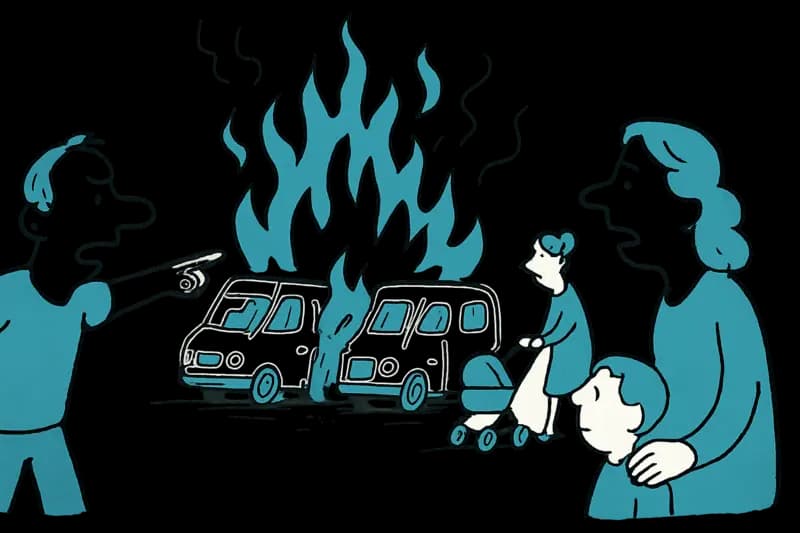
Fire at the Son Hugo Parking Lot: When a Neighbourhood Dispute Becomes a Fire Catastrophe
Three motorhomes in the parking lot by the Son Hugo indoor pool burned out completely. Police suspect arson following a ...
DANA on the Way: When Mallorca Will Get Wet and Stormy — and How We Should Respond
AEMET announces a DANA: From Sunday onward, locally very heavy, persistent rainfall, thunderstorms and strong winds are ...
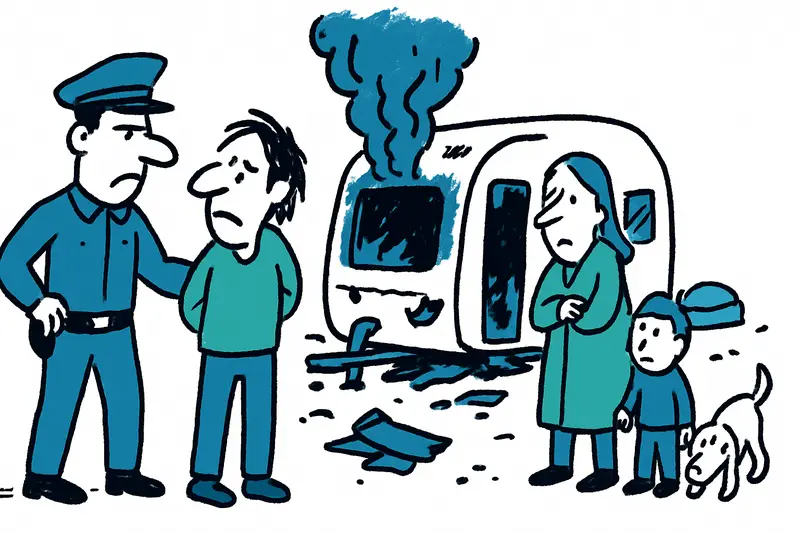
Fire in Son Hugo: Who protects people living in caravans?
A fire destroyed several caravans in the Son Hugo parking lot. A 34-year-old was arrested. The incident raises bigger qu...
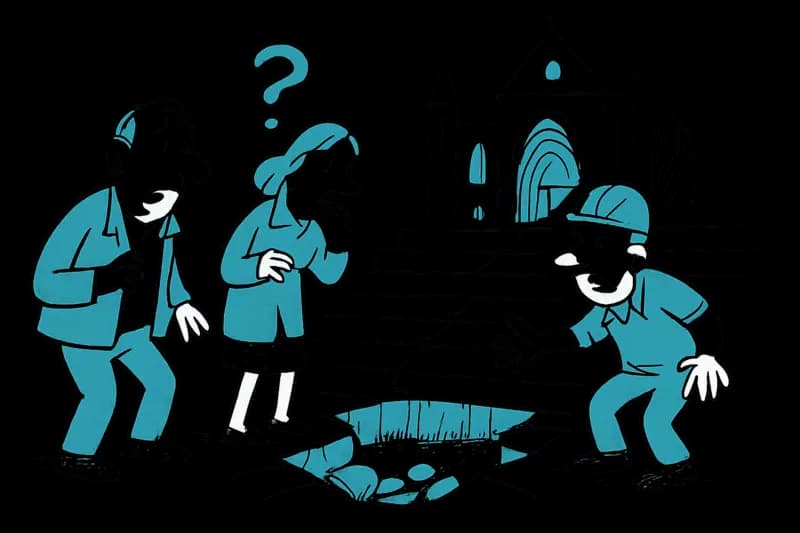
Crack in the Heart of Palma: Hole under the Cathedral Steps Causes Concern
A cavity of up to five cubic meters was discovered beneath the stairs to Palma's cathedral. Why action was taken only no...

S'Aranjassa, Schinkenstraße and Silence: How the 'Bierkönig' Case Must Be Reopened
Almost 29 years after the murders many questions remain. More than 100 tips came in after a TV reminder of the case – ti...
More to explore
Discover more interesting content

Can Cap de Bou

Townhouse Lleo 72
