
Protecting Shallow Bays: Balearic Action Plan — A Chance for the Coast
Protecting Shallow Bays: Balearic Action Plan — A Chance for the Coast
The Balearic government wants to record shallow marine zones, study them scientifically and, if necessary, renature them. Why this means more for Mallorca than just clearer water — and how residents can get involved.
Protecting Shallow Bays: Balearic Action Plan — A Chance for the Coast
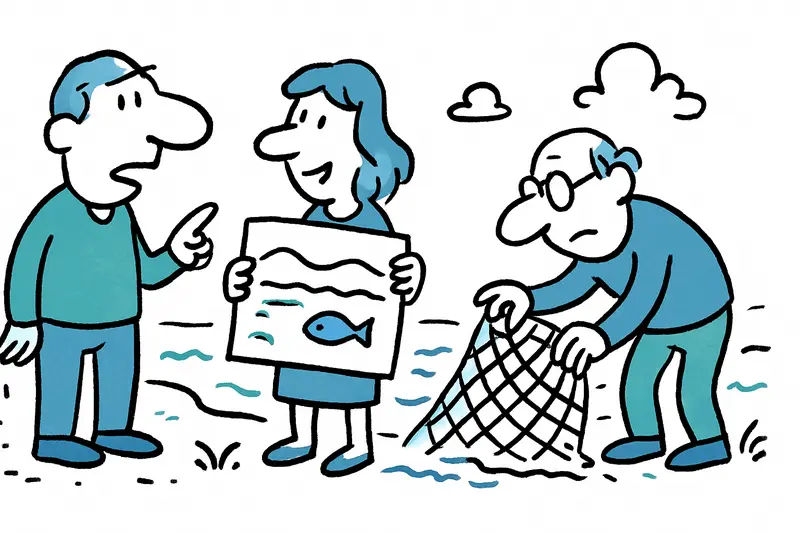
On 6 June 2026 the Balearic government announced a step that sounds technical at first but could become very practical along the coast: an action plan for shallow marine zones to map bays, lagoons and shallow-water areas of the islands, study them scientifically and, where necessary, carry out renaturation. From next week citizens, associations and interest groups are also invited to submit concrete proposals.
Why shallow water is more than a beach
In shallow bays plants such as seagrass meadows grow, juvenile fish hide there, mudflat-like areas filter water and small mussels hold sediments together. If you walk along the Paseo Marítimo in Palma in the morning or cycle along the promenade of Port d'Andratx, you not only hear the clattering of boat masts but often see small fishing boats close to the shore — they know: shallow spots are nurseries for many species. When these zones are intact, both nature and coastal communities benefit: water stays clearer, fish stocks are more stable, and beaches lose less sand.
What the plan can mean in practice
The steps sound simple: mapping the shallow areas, scientific on-site studies, and if interventions are needed, restoration measures. What this can include is diverse: protection of seagrass beds, renaturation of lagoons altered by development, reopening or restoring sealed shoreline areas, measures against pollution and invasive species. For residents this means less illegal anchoring in sensitive zones, for boat operators clearer rules, as discussed in More Controls at Sea: Cala Ratjada in Focus — Are the Measures Enough?, and for municipalities new opportunities to balance tourism offers and nature conservation.
Invitation to participate — this matters
It's good that planning won't remain only in a minister's office. From next week groups and individuals can submit proposals. This is the opportunity for local dive clubs, fishing cooperatives, conservation groups or beach-side businesses to point out specific spots — for example a retreated lagoon near Colònia de Sant Jordi, a silted bay on the east coast, pressure from increased landings on the south coast (South Coast at the Limit: When Boats and Plastic Overwhelm Communities) or a seagrass field suffering from anchoring damage, or a bay recently highlighted when a catamaran came too close (When the Catamaran Came in Too Far: Banyalbufar and the Question of Who Shares Mallorca's Coasts). People who pass a bay often see problems that are still invisible on maps.
What you can do now
A few practical ideas for people on Mallorca: observe and document — a photo, date and location help researchers. Avoid anchoring on seagrass meadows, ask boat rental companies about environmentally friendly alternatives. Support local clean-up actions on beaches and in bays, talk to the neighbour from the fishing boat about protected areas. Anyone submitting a proposal should briefly describe what they observed, why the spot is important and which concrete measure they suggest — that makes the information useful for scientists.
Why this is good for Mallorca
If you've walked barefoot through shallow water on a hot June morning, you know the immediate feeling: the sea feels cleaner when the seabed is healthy. Sustainable coastal protection strengthens the livelihoods of small fishers, preserves good bathing spots and makes the island more resilient to storms and erosion. Above all, the plan creates room for joint work: administration, science and citizens bring knowledge together. It's not a magic trick, but a good first step.
The government will publish details such as deadlines and forms officially. Until then: keep your eyes open at the water, take photos, and speak up. Mallorca lives from its bays — and a little care can make the difference between a clear bay and a cloudy harbour basin.
Outlook: If mappings turn into concrete renaturation projects, small pilot projects at particularly threatened sites could start in the coming years. This can be tackled locally: neighbouring associations, schools and fishers could jointly adopt bays. If you want to see your favourite beach cleaner tomorrow, start describing it today.
Frequently asked questions
What is the weather usually like in Mallorca in winter?
Can you swim in the sea in Mallorca in winter?
What should I pack for Mallorca in the colder months?
Is Mallorca a good place to visit in winter?
What is Palma like in winter?
Is Sóller worth visiting in winter?
What kind of activities are best in Mallorca in the off-season?
Are Mallorca beaches still enjoyable outside summer?
Similar News

Ryanair Flight Diverted to Barcelona: An In-Flight Emergency and the Questions That Follow
A Ryanair jet from Pisa to Málaga landed in Barcelona after a passenger became acutely ill. Why these cases need more at...
Alarm in Port de Pollença: What now for the polluted bay?
Hundreds of people protested on the beach of Port de Pollença. The environmental organization Arrels Marines demands a p...

Micaela Schäfer: Between Playa de Palma and a Berlin Law Firm — New Calm, an Old Tomcat and Solid Finances
The party artist from the Ballermann scene appears surprisingly down-to-earth: a new relationship with a Berlin lawyer, ...

At Playa de Palma: Fire in Residential Building – six people rescued on the roof, what is missing in prevention?
In the evening a fire broke out on the first floor of a five‑storey building on Calle Trasimé. Six residents fled to the...
New License Requirement for Mini-Boats in Mallorca: Protection Measure or Tourism Brake?
From October 1 renters of small recreational boats in the Balearics must present a boating license. Critical questions r...
More to explore
Discover more interesting content

Boat Tour with BBQ along Es Trenc Beach

Private transfer from Mallorca Airport (PMI) to Pollensa
