

Rafal Nou stays in the dark: pot-and-pan protest instead of Christmas lighting
While Plaza España in Palma will shine with lights on Saturday, the narrow Rafal Nou neighborhood plans a loud pot-and-pan protest to draw attention to years of neglect. Why the small lanes regularly miss out — and what solutions are possible.
Rafal Nou stays in the dark: pot-and-pan protest instead of Christmas lighting
When the lights on Plaza España are switched on on Saturday at 7 p.m., Rafal Nou will remain dark again. The narrow lanes in the east of Palma, where laundry hangs from balconies and the scent of freshly baked ensaimadas drifts from the small bakery, receive no garlands. Instead, residents plan a loud, short protest: pans, pots and drums are to drown out the second the lights are turned on — a visible and audible expression of how many here feel overlooked.
The key question on everyone's lips in the neighborhood
The question is simple but persistent: Why do the squares that attract visitors and the city center glow, while residential streets like the Carrer de Rafal Nou are left empty? This central question runs through conversations on the stairs, at the bus stop and in the little corner shop. It is not an abstract critique but a daily experience: when the big avenues shine, people in the side streets only see shadows on their house walls.
City versus street — what the administration argues
The city council argues that more Christmas lighting has been installed overall this year than before. For residents that often sounds like a half-answer: more lights in tourist areas, yes — but no sign of string lights along the narrow rows of houses. An elderly woman who has lived here for decades puts it bluntly: “Prado and Passeig look wonderful. We, however, have to make do with the bus’s pool light.”
Aspects that are often overlooked in the debate
Behind the empty lamp post lies more than just the distribution of cables and bulbs. Less attention is paid to structural factors: missing connection points, the fear of vandalism and theft of decorations, and municipal budget decisions that favor visible, representative places. Technical logistics — storage, maintenance, quick repairs — become an invisible boundary: those who centralize often forget the periphery.
One rarely mentioned point: irresponsibility on several levels. Some service providers deem the effort for small lanes too expensive, and in similar projects earlier attempts to hang string lights have been compromised by theft and technical problems. This creates a cycle: the city fails, people lose trust, and the next year begins again empty-handed. Further coverage appears in Residents protest again against large Christmas market in Palma.
The planned protest: short, loud, symbolic
The initiative has announced its “pot protest” specifically for the minute the lights are switched on. The message is clear: not violence, but visibility. Organizers ask people not to bring open flames or dangerous objects, but pans, toy drums and homemade window decorations. It’s about a moment that unsettles and at the same time invites — noise as an invitation to attention.
Self-help as a release — and as a symptom
At the same time, volunteers are already decorating windows with temporary string lights and checking extension cords. A young mother explains how neighbors collect cables, secure outlets and attach makeshift garlands: “We bring a little warmth into the lanes ourselves.” Such actions are admirable but reveal the paradoxical situation: citizens do what should actually be municipal care.
Concrete opportunities — pragmatic suggestions from the neighborhood
Practical ideas come from the neighborhood that could work without much fuss:
Rotation plan: A transparent calendar for Christmas lighting that alternates which neighborhoods are included each year — so the same streets do not always receive priority.
Neighborhood micro-fund: A small fund that citizen initiatives can apply for easily, including secure connections and insurance for decorations.
Community storage: Cooperations between the city, local shops and volunteers to store, maintain and better protect decorations against theft.
On-site dialogue: A public citizen assembly in the neighborhood, accompanied by a pilot installation the following year — a concrete step to rebuild trust.
Where to channel the anger?
Noise draws attention, but it does not remove the structural causes. The challenge for Palma is simple and difficult at the same time: how to build a pre-Christmas infrastructure that not only lights up prestige locations but reaches the people who live here? An invitation to talk on the Monday after the switch-on would be a first, concrete ray of hope. Similar local disputes are documented in Residents protest Christmas market in Sa Feixina Park.
On Saturday evening the clanging of pans will echo through the lanes — probably a bit chaotic, warm-hearted and unmistakable. Whether the racket will be enough to start a real dialogue is uncertain. For Rafal Nou a reliable commitment from the city would be a small but significant gift for the Advent season.
Frequently asked questions
Why is Rafal Nou in Palma protesting the Christmas lights switch-on?
What time are the Christmas lights switched on in Palma?
Is Rafal Nou left without Christmas decorations in Palma?
Why does Palma decorate the centre more than residential neighbourhoods?
What kind of protest are residents planning in Rafal Nou?
Can residents in Mallorca decorate their own streets for Christmas?
What solutions has Rafal Nou suggested for fairer Christmas lighting in Palma?
What does the Rafal Nou protest say about Christmas in Palma?
Similar News
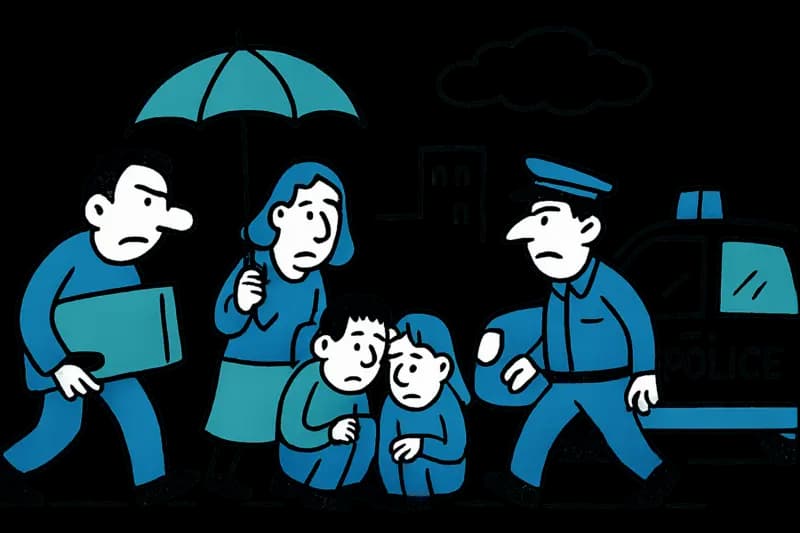
First Day, First Consequences: What Palma's Rent Freeze Really Means
A new decree stops a planned eviction in Palma — but what really changes for tenants and landlords? A reality check with...
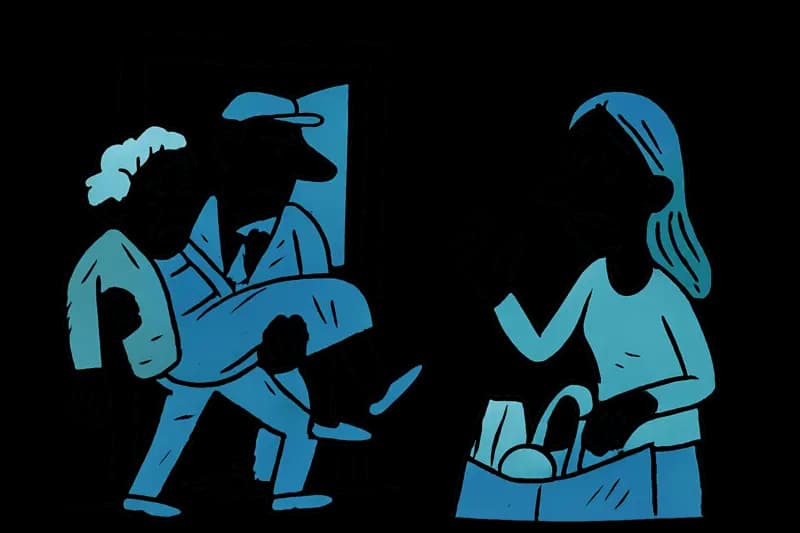
When Housing Becomes a Matter of Survival: Mallorca Between Rental Frenzy and Everyday Life
The case of 87-year-old Maricarmen showed that on Mallorca many people's lives are poised between affordable and uninhab...
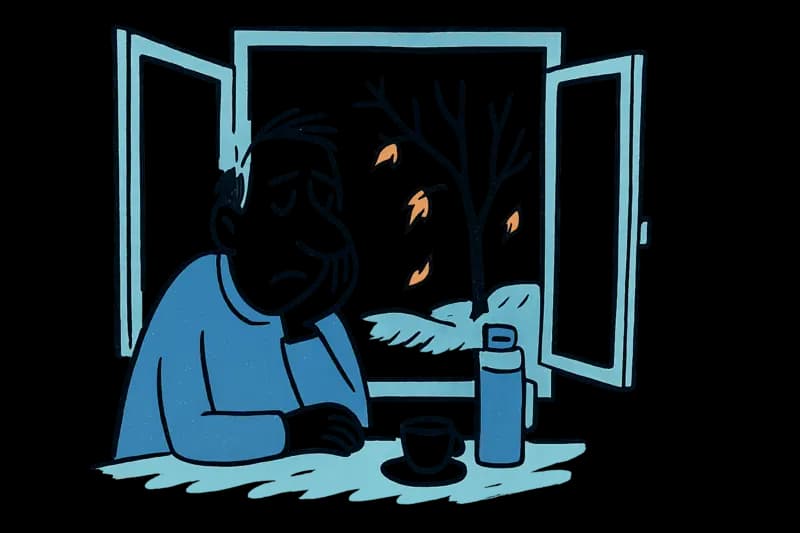
Autumn in Mallorca: When Melancholy Gets a Window
Why autumn quietly tightens here — and how to make use of the mood: walks, culture, candles and the light from Palma to ...
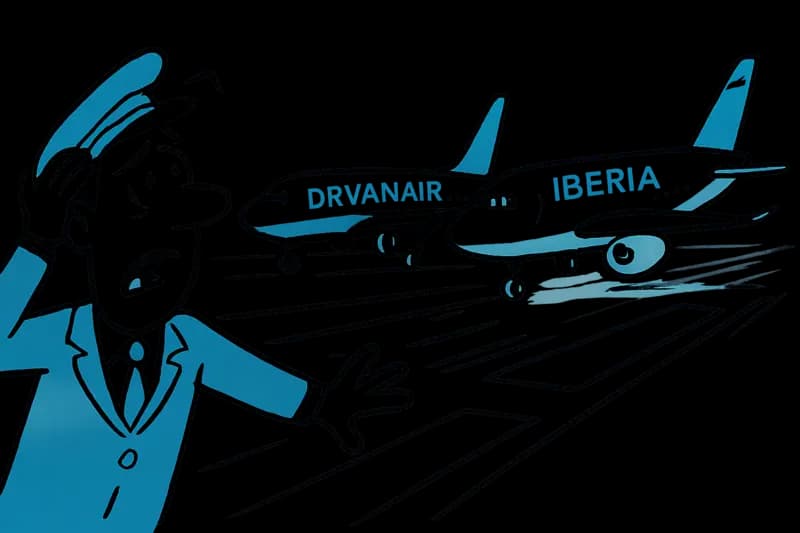
Near-miss on Lanzarote: Landing Ryanair Jet and Iberia Takeoff — what really went wrong
On Lanzarote there was a dangerous incident: A Ryanair flight (FR5910) from Dublin landed on runway 03 while an Iberia E...
Eurowings introduces new Premium Business seats on Mallorca routes
From December 1, selected Eurowings flights to Palma and other destinations will feature eight particularly generous sea...
More to explore
Discover more interesting content

Can Cap de Bou

Townhouse Lleo 72
